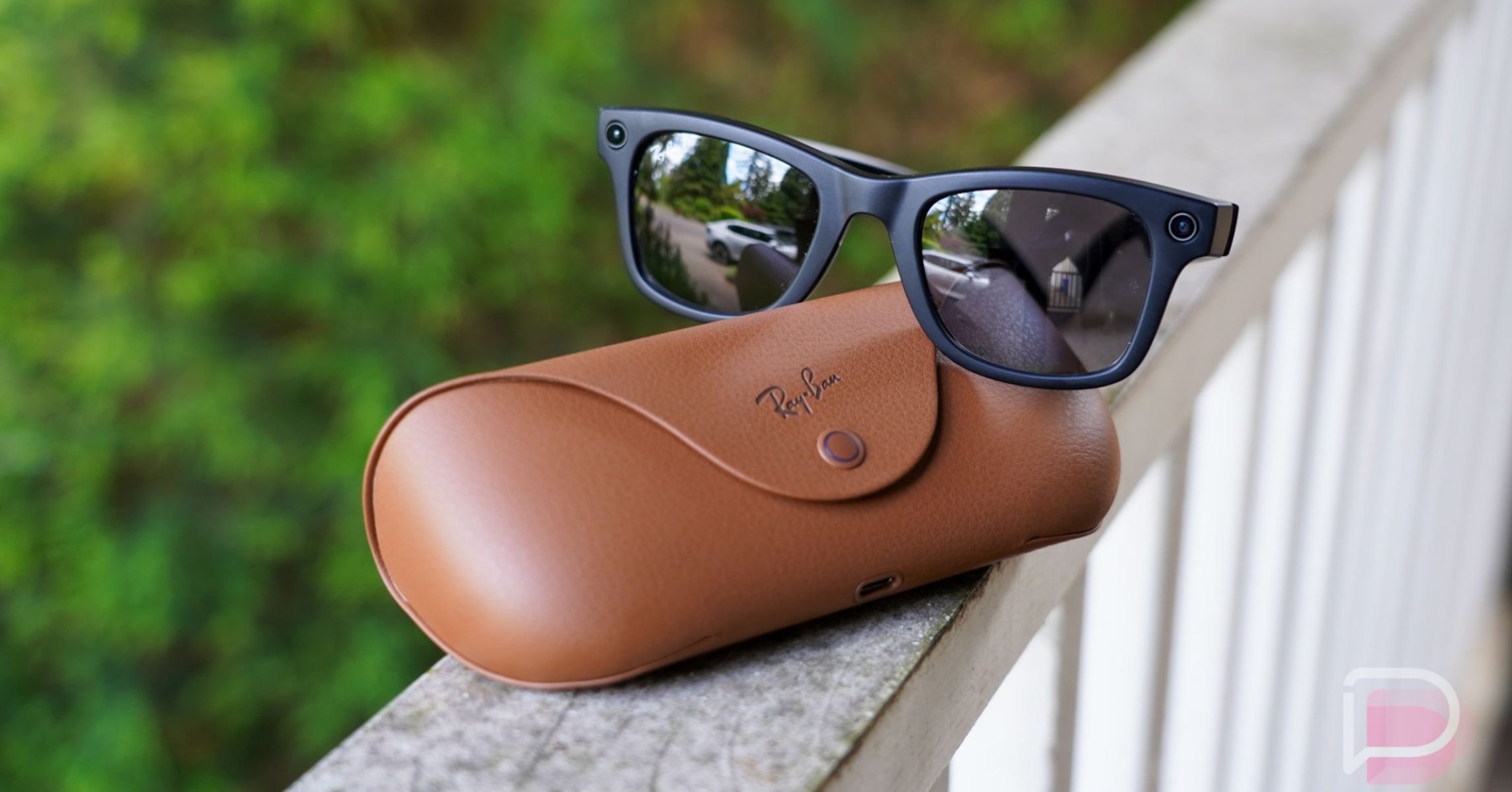
San Francisco, CA – Samsung is poised to challenge Meta’s dominance in the burgeoning extended reality (XR) market with plans to launch AI-powered smart glasses in 2026. The announcement, made at Mobile World Congress (MWC), signals a significant step forward for Android XR, the collaborative operating system developed by Google and Samsung, and represents a renewed push into wearable technology for the South Korean electronics giant. This move comes as the XR landscape rapidly evolves, fueled by advancements in artificial intelligence and a growing consumer interest in immersive digital experiences.
The smart glasses, according to Samsung executive VP of mobile Jay Kim, will incorporate both a camera and a microphone, mirroring features found in competing devices like those offered by Ray-Ban and Meta. CNBC reported that development is being undertaken in close partnership with both Google and Qualcomm, highlighting the complex technological ecosystem required to compete effectively in this space. Meta currently holds a commanding 82% share of the global smart glasses market, presenting a substantial hurdle for Samsung to overcome. The collaboration with Google is particularly noteworthy, given the history of both companies in the XR space.
Android XR: The Foundation for Samsung’s XR Ambitions
The foundation for Samsung’s smart glasses is Android XR, an extended reality operating system unveiled in December 2024 and officially launched in October 2025. According to Wikipedia, Android XR is designed to support a range of XR devices, including Samsung’s Galaxy XR headset and a pair of smartglasses developed by Google DeepMind. The operating system’s deep integration with Google’s Gemini generative AI chatbot is a key differentiator, promising to deliver a more intuitive and intelligent user experience. This integration aims to seamlessly blend digital information with the real world, offering users new ways to interact with their surroundings.
Google’s journey into XR has been marked by both innovation and setbacks. Following the commercial failure of Google Glass, the company acquired VR companies Tilt Brush and Owlchemy Labs, and experimented with Google Cardboard and Google Daydream VR headsets – all of which were eventually discontinued. In 2021, Google initiated “Project Iris,” an augmented reality headset powered by a new operating system, but the project was shelved after Apple’s release of the Vision Pro VR headset in 2024. Android XR represents a strategic pivot, building upon the lessons learned from these previous ventures and leveraging the combined expertise of Google and Samsung.
Smart Glasses: Functionality and Connectivity
While details regarding the specific features of Samsung’s smart glasses remain limited, Kim indicated that the device will require a tethered connection to a smartphone. This suggests that the glasses will likely rely on the smartphone’s processing power and display capabilities, at least initially. Users may need to utilize their phone or smartwatch for visual output, rather than the glasses having a built-in display. This approach could aid to reduce the size, weight, and power consumption of the glasses, making them more comfortable and practical for everyday employ.
The potential applications of these AI-powered smart glasses are vast. Demonstrations of Android XR have showcased the platform’s ability to bring Gemini/AI to the user’s line of sight, enabling interactive experiences with the surrounding environment. This could include real-time translation, object recognition, contextual information overlays, and hands-free access to digital services. The integration of a camera and microphone further expands the possibilities, enabling features such as video recording, voice commands, and augmented reality applications.
The Role of Qualcomm in XR Hardware
Qualcomm’s involvement in the development of Samsung’s smart glasses is crucial. The company is a leading provider of mobile processors and XR platforms, and its expertise in chip design and wireless connectivity is essential for creating a high-performance, energy-efficient device. Qualcomm’s Snapdragon XR platforms are specifically designed to power XR headsets and glasses, offering features such as spatial computing, low-latency rendering, and advanced sensor processing. The partnership with Qualcomm underscores Samsung’s commitment to delivering a cutting-edge XR experience.
Competition and Market Outlook
The XR market is becoming increasingly competitive, with major technology companies vying for market share. Meta, with its established presence in virtual and augmented reality, remains the dominant player. Apple’s Vision Pro, despite its high price point, has generated significant buzz and demonstrated the potential of spatial computing. Other companies, such as Microsoft and HTC, are also actively developing XR hardware and software.
The success of Samsung’s smart glasses will depend on a number of factors, including price, functionality, design, and ecosystem integration. The ability to seamlessly integrate with other Samsung devices and services, as well as with Google’s Android ecosystem, will be a key advantage. The development of compelling XR applications and content will be essential for driving consumer adoption. The market for XR devices is projected to grow significantly in the coming years, driven by advancements in technology and increasing demand for immersive experiences. According to Statista, the global augmented reality market is forecast to reach $97.76 billion in 2023 and is expected to grow to $329.43 billion by 2028.
Samsung’s Galaxy XR Headset: A Stepping Stone
Samsung’s foray into XR began with the launch of the Galaxy XR headset a few months prior to the smart glasses announcement. While initial reviews were mixed, the headset served as a valuable learning experience for Samsung and provided a platform for showcasing the capabilities of Android XR. The Galaxy XR headset, powered by Qualcomm’s Snapdragon XR2 Gen 2 platform, offered a range of immersive experiences, including gaming, entertainment, and productivity applications. The Samsung website highlights the compatibility of the headset with popular apps such as Google Play, Calm, Adobe Pulsar, YouTube, and MLB.
The launch of the Galaxy XR headset also provided valuable insights into consumer preferences and pain points, which will likely inform the design and development of the upcoming smart glasses. Samsung is expected to address some of the criticisms leveled at the headset, such as its weight and limited battery life, in future iterations of its XR products.
2026 is shaping up to be a pivotal year for Android XR and the broader XR market. Samsung’s entry into the smart glasses arena, coupled with Google’s continued investment in the Android XR platform, promises to intensify competition and drive innovation. The success of these efforts will ultimately depend on the ability to deliver compelling, user-friendly XR experiences that seamlessly integrate into people’s daily lives.
The next major checkpoint will be Samsung’s official unveiling of the smart glasses, expected sometime in 2026. Retain an eye on Samsung’s official newsroom and technology publications for further updates. What are your thoughts on Samsung’s entry into the smart glasses market? Share your comments below, and let’s discuss the future of extended reality!
Keep reading