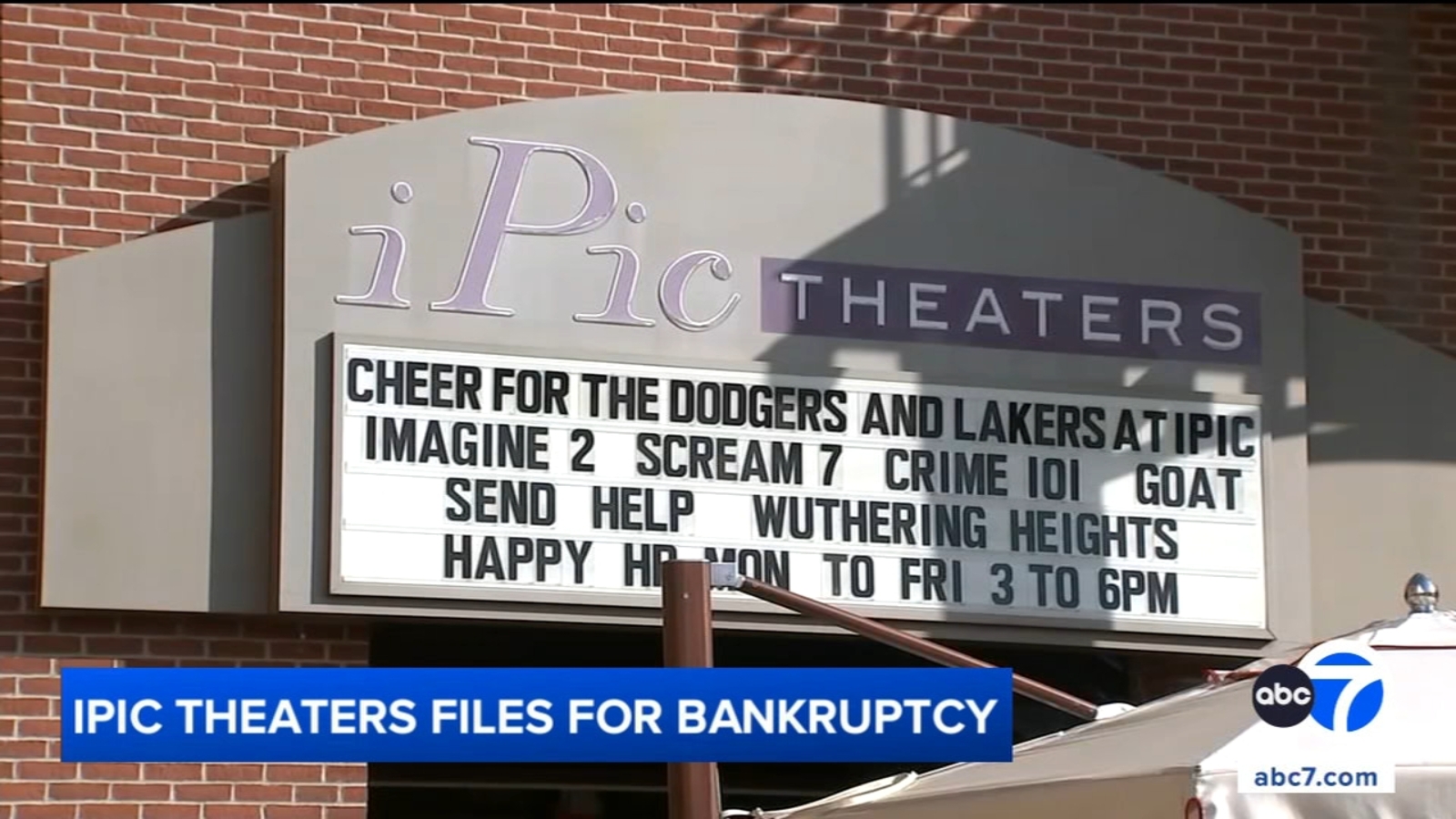
Los Angeles, CA – Luxury dine-in movie theater chain IPIC Theaters has filed for bankruptcy for the second time in seven years, announcing plans to permanently close its locations in Westwood and Pasadena, California, next month. The closures, impacting 193 employees in Los Angeles County, signal continued turbulence within the cinema industry as it navigates shifting consumer habits and financial pressures. This follows a similar move last month by LOOK Dine-In Cinemas, which shuttered three Southern California locations after also filing for bankruptcy, raising concerns about the future of premium moviegoing experiences.
The company initiated Chapter 11 proceedings, a court-supervised sale process, with the stated goal of maximizing value for its creditors. According to Worker Adjustment and Retraining Notification (WARN) notices sent to the state of California, the Westwood site, located at 10840 Wilshire Blvd., and the Old Town Pasadena location at 42 Miller Alley, will cease operations on April 28, 2026. The notices also confirmed that affected employees will not have bumping rights, meaning they will not be able to displace more junior employees. IPIC Theaters, headquartered in Boca Raton, Florida, operates 13 locations across eight states and previously filed for bankruptcy in 2019.
Industry Challenges and the Rise of Streaming
The struggles of IPIC Theaters and LOOK Dine-In Cinemas reflect broader challenges facing the movie exhibition industry. The COVID-19 pandemic delivered a significant blow, forcing temporary closures and altering consumer behavior. However, even as theaters have reopened, they are contending with the increasing popularity of streaming services and shorter theatrical release windows – the period of time a film is exclusively shown in cinemas before becoming available on other platforms. Ben Steinberg, founder of Save Your Cinemas, a movement dedicated to preserving independent cinemas, believes IPIC’s bankruptcy is a warning sign. “IPIC is one of the more luxury expensive movie theaters, so I think if they’re filing for bankruptcy, that pretty much means that no movie theater is safe at this point,” Steinberg stated. He added that it’s “a major wake up call to, not just California, but all of movie theaters around the world.”
Steinberg founded Save Your Cinemas approximately six years ago to raise awareness about the plight of independent cinemas. He argues that studios need to extend theatrical windows to incentivize audiences to visit cinemas. “Because right now, there’s really no incentive for the average consumer to go out to a movie if it’s going to be on streaming in three weeks,” he explained. The shortening of these windows has become a contentious issue, with exhibitors arguing it diminishes the value of the theatrical experience and drives audiences directly to streaming platforms.
A Resilient Industry? Box Office Performance in 2025
Despite the challenges, industry analysts remain cautiously optimistic about the long-term viability of movie theaters. Paul Dergarabedian, head of marketplace trends at Comscore, asserts that movie theaters have consistently demonstrated resilience in the face of disruptive technologies. “Movie theaters are here to stay,” Dergarabedian said. “They’ve taken on every challenge that you can imagine, from TV to streaming to a pandemic to strikes, and they still draw people into the theater.”
Notably, 2025 saw a significant rebound at the box office, marking the highest-grossing year since the onset of the pandemic. IPIC Theaters, known for its premium amenities such as recliner seats and in-theater dining, attempted to differentiate itself through a luxury experience. However, this premium pricing model may have proven unsustainable in the current economic climate. Dergarabedian pointed to the success of films like “Zootopia 2” (reportedly grossing over $1.8 billion worldwide), “Scream 7,” “Project Hail Mary,” and “Hoppers” as evidence of continued consumer demand for theatrical releases. He characterized the industry as cyclical, with periods of growth and contraction.
Impact on Employees and the Local Economy
The closure of the IPIC Westwood and Pasadena locations will result in the loss of 193 jobs, according to the WARN notices. This will undoubtedly have a ripple effect on the local economies of both cities. The Pasadena location, situated in the Old Town district, was a popular destination for residents and tourists alike. The Westwood location served a similarly affluent clientele near the University of California, Los Angeles (UCLA). The loss of these businesses represents a setback for the entertainment and hospitality sectors in both communities.
IPIC Theaters CEO Patrick Quinn stated that the company is “committed to continuing our business operations with minimal impact throughout the process and will endeavor to serve our customers with the high standard of care they have come to expect from us.” However, the WARN notices indicate a permanent cessation of operations at the affected locations, leaving little room for optimism regarding their future.
The Future of Dine-In Movie Theaters
The recent bankruptcies of IPIC Theaters and LOOK Dine-In Cinemas raise questions about the long-term viability of the dine-in movie theater concept. While the combination of comfortable seating, gourmet food, and a premium cinematic experience initially proved popular, these theaters often face higher operating costs than traditional cinemas. Maintaining food and beverage service, along with providing a high level of customer service, requires a larger staff and more complex logistics.
The success of dine-in theaters may depend on their ability to adapt to changing consumer preferences and discover a sustainable business model. This could involve offering more competitive pricing, streamlining operations, or focusing on niche markets. The industry will also be closely watching how studios address the issue of theatrical windows and whether they are willing to perform with exhibitors to create a more favorable environment for cinema attendance. The closures also highlight the importance of supporting independent cinemas, as advocated by groups like Save Your Cinemas, which play a vital role in preserving the cultural landscape of local communities.
The bankruptcy proceedings are being handled under Chapter 11 of the U.S. Bankruptcy Code in the Southern District of Florida. The company intends to pursue a sale of its assets to maximize value for creditors. Further updates on the bankruptcy case and the fate of the remaining IPIC locations will likely be released in the coming weeks.
Key Takeaways:
- IPIC Theaters has filed for bankruptcy for the second time in seven years.
- The company will close its Westwood and Pasadena locations on April 28, 2026, resulting in 193 job losses.
- The closures reflect broader challenges facing the movie exhibition industry, including the rise of streaming and shorter theatrical windows.
- Industry analysts remain cautiously optimistic about the long-term viability of movie theaters, citing a strong box office performance in 2025.
The next step in this unfolding story will be the court-supervised sale process under Chapter 11. Creditors will be hoping for a favorable outcome, and the future of the remaining IPIC locations remains uncertain. We will continue to monitor the situation and provide updates as they become available. Share your thoughts on the future of movie theaters in the comments below.