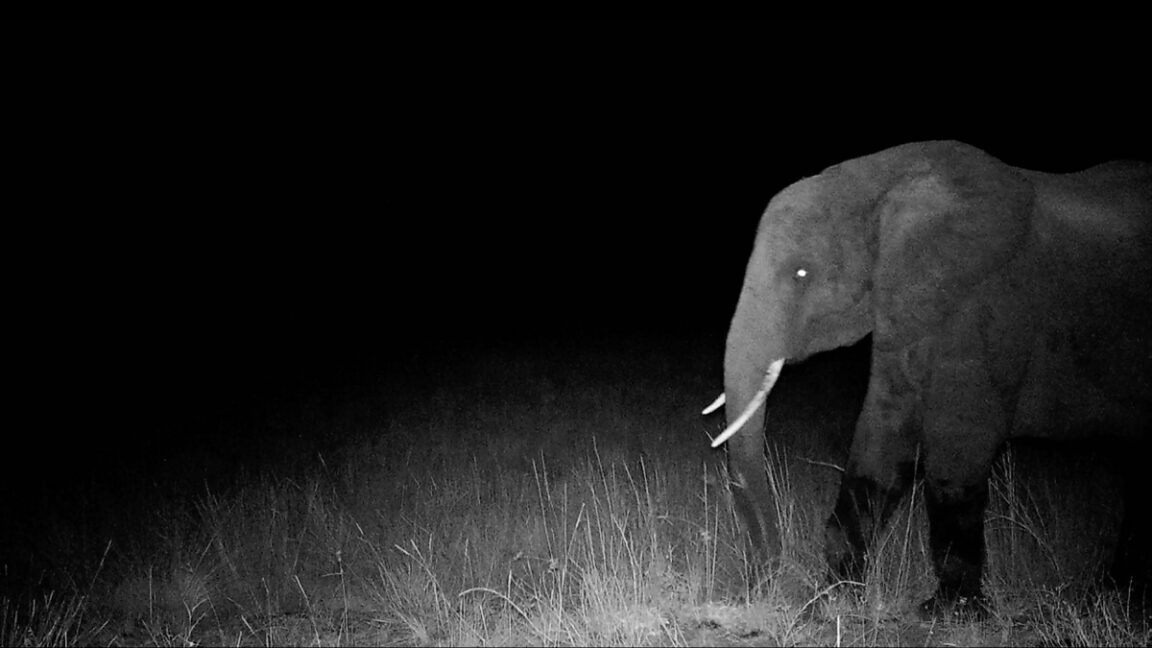
The remote highlands of Angola hold a secret—or perhaps a myth. A potentially undiscovered species of African elephant, known locally as “ghost elephants” due to their elusiveness, has captivated conservationists and filmmakers alike. A new documentary, Ghost Elephants, directed by the renowned Werner Herzog, chronicles the decade-long quest of biologist Dr. Steve Boyes to find these elusive creatures and establish their genetic identity. The film, which premiered at the Venice International Film Festival last summer, began streaming on Disney+ and Hulu on March 8, 2026, offering a glimpse into a world where the line between reality and legend blurs.
Herzog’s involvement wasn’t a typical filmmaker-subject relationship. Boyes recounts that Herzog, at 82 years ancient, immediately delved into philosophical questions about the very nature of existence and the impact of a world without elephants, rather than focusing solely on the logistical challenges of the expedition. This unconventional approach, Boyes explained, pushed the team to consider the broader implications of their work and cultivate a deeper connection to the environment. The documentary isn’t simply a nature film; it’s an exploration of humanity’s relationship with the natural world, framed by Herzog’s signature introspective style.
The Search for a Lost Herd
The quest centers around a specific lineage believed to be descended from Henry, the largest elephant ever recorded. Henry was killed in Angola in 1955 by Hungarian hunter Josef J. Fénykövi, and his remains are housed at the Smithsonian Institution.
Boyes believes Henry’s descendants still roam the remote Angolan highlands and hopes to confirm this through genetic analysis. The expedition, as depicted in Ghost Elephants, is a challenging undertaking, requiring travel by canoe, motorbike, and on foot through dense forests. The team includes three KhoiSan master trackers, whose ancestral knowledge of the land is crucial to the search.
Boyes’s passion for elephants isn’t a recent development. Growing up in South Africa, he was inspired by the explorers featured in National Geographic magazine, dreaming of mapping and understanding wild places. His childhood experiences, including time spent observing baboon troops and walking alongside elephants in Botswana and Tanzania, fostered a deep connection to the African wilderness. He recalls elephants willingly interacting with him during swims, demonstrating a level of trust and curiosity that fueled his lifelong fascination. This early exposure shaped his career path, leading him to conduct PhD research on the Meyer’s parrot in the Okavango Delta, Botswana, where he observed a symbiotic relationship between the parrots and elephants—elephants creating nesting cavities for the parrots by disturbing trees.
A Symbiotic Relationship and Unique Behaviors
The connection between elephants and Meyer’s parrots highlights the intricate web of life within the Okavango Delta. As Boyes discovered, elephants and parrots both feed on the same trees, and the elephants inadvertently aid the parrots by creating the nesting spaces they necessitate. This symbiotic relationship underscores the importance of preserving entire ecosystems, not just focusing on individual species. The film captures remarkable footage of elephants swimming, a behavior Boyes has witnessed firsthand. He notes that elephants, when not threatened, will often swim around and interact with humans, showcasing their intelligence and social complexity.
Werner Herzog’s Distinctive Approach
Herzog’s direction brings a unique perspective to the documentary. According to a report by Motion Pictures, Herzog’s approach isn’t simply to document the expedition but to explore the philosophical and existential questions surrounding the elephants’ existence. His questioning of the crew about a world without elephants sets the tone for a film that delves into the deeper meaning of conservation and the human connection to nature. The film, distributed by National Geographic Documentary Films, aims to transport viewers into an “otherworldly realm,” emphasizing the mythic quality of these elusive creatures.
The Significance of Angola’s Highlands
Angola’s highlands represent a critical, yet often overlooked, region for African elephant conservation. The area’s remoteness and challenging terrain have historically protected it from widespread poaching and human encroachment. However, increasing pressures from deforestation, agricultural expansion, and illegal wildlife trade pose a growing threat to the region’s biodiversity. The discovery of a potentially new elephant species would further underscore the importance of protecting this unique ecosystem. According to Wikipedia, Ghost Elephants received a score of 79 out of 100 on Metacritic, indicating “generally favorable” reviews, with critics praising its visual magnificence and Herzog’s captivating storytelling.
The film’s release comes at a crucial time for elephant conservation globally. African elephant populations continue to face significant threats from poaching and habitat loss. The International Union for Conservation of Nature (IUCN) currently lists African elephants as Endangered, highlighting the urgent need for conservation efforts. Understanding the genetic diversity and distribution of elephant populations, as Boyes’s research aims to do, is essential for developing effective conservation strategies.
Ghost Elephants isn’t just a film about finding a lost herd; it’s a meditation on the fragility of life, the power of nature, and the enduring human quest for understanding. It’s a reminder that there are still mysteries to be uncovered in the wild corners of our planet and that protecting these places is vital for the future of both wildlife and humanity.
The film is currently available for streaming on Disney+ and Hulu. Viewers interested in learning more about Dr. Steve Boyes’s work can find information on the National Geographic website. The next step in Boyes’s research involves further genetic analysis of samples collected during the expedition, which will be crucial in determining whether the Angolan elephants represent a distinct species.
What are your thoughts on the film? Share your comments below, and don’t forget to share this article with your network!
Worth a look