The Fragile Pursuit of Peace in the Middle East: From Nuclear Deals to Ongoing Conflict
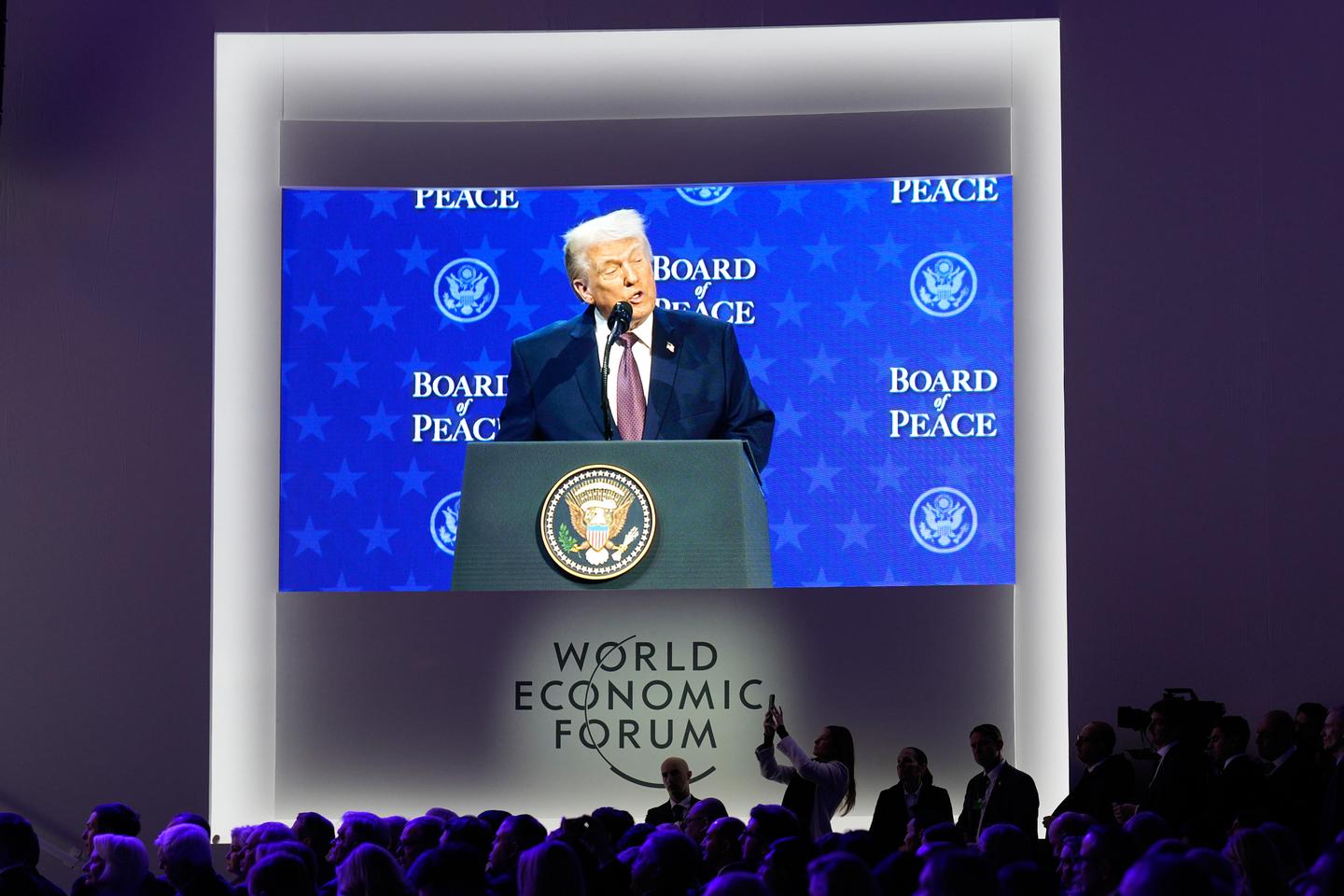
The pursuit of stability in the Middle East remains a complex and often elusive goal, marked by decades of conflict and shifting geopolitical alliances. Recent events, including the unraveling of the Iran nuclear deal and ongoing tensions in Gaza, underscore the delicate balance between diplomacy and confrontation. While former U.S. President Donald Trump claimed to have ushered in an era of peace in the region, a closer examination reveals a far more precarious reality, one where ceasefires are fragile and the threat of escalation looms large. The question of Iran’s nuclear ambitions, a central point of contention for years, continues to shape the regional landscape and influence international relations.
On May 8, 2018, the Trump administration withdrew the United States from the Joint Comprehensive Plan of Action (JCPOA), commonly known as the Iran nuclear deal. This decision, enacted despite objections from key international partners – France, the United Kingdom, Germany, Russia, and China – fundamentally altered the dynamics of nuclear non-proliferation efforts. The JCPOA, originally negotiated under the Obama administration, had aimed to curb Iran’s nuclear program in exchange for the lifting of economic sanctions. Trump’s rationale for abandoning the deal centered on the belief that it failed to adequately address Iran’s broader malign activities and did not permanently prevent the country from developing nuclear weapons. The move was widely criticized by international observers, with then-President Barack Obama warning that it could lead to a “choosing between a nuclear Iran or a new war in the Middle East.”
The withdrawal from the JCPOA and the subsequent re-imposition of sanctions on Iran significantly escalated tensions. According to a fact sheet released by the Trump White House, the decision was intended to pressure Iran into altering its behavior and prevent it from acquiring nuclear weapons. The re-imposed sanctions targeted critical sectors of Iran’s economy, including energy, petrochemicals, and finance, aiming to cripple its ability to fund its nuclear program and support regional proxies. However, this strategy ultimately contributed to a period of heightened instability, culminating in direct military confrontations. In June 2025, following a series of Israeli attacks on Iranian nuclear facilities, the U.S. Launched its own strikes on Iranian nuclear sites, further escalating the conflict. Israel’s actions were predicated on the claim that Iran was nearing the capability to develop nuclear weapons.
The Shadow of the Iran Nuclear Deal
The history of the Iran nuclear deal is rooted in decades of suspicion and concern over Iran’s nuclear program. As early as 1995, the U.S. Imposed trade and oil sanctions on Iran, alleging its pursuit of nuclear weapons. In 2003, the International Atomic Energy Agency (IAEA) reported that Iran had admitted to initiating the chemical processes necessary for building an atomic bomb, although no evidence of actual weapon development was found at that time. Negotiations for a nuclear agreement continued intermittently under subsequent administrations, but progress remained elusive until the landmark 2015 agreement was reached.
The JCPOA represented a significant diplomatic achievement, requiring years of painstaking negotiations. The agreement placed limitations on Iran’s uranium enrichment activities, restricted its stockpile of enriched uranium, and allowed for international inspections of its nuclear facilities. In return, Iran received relief from crippling economic sanctions. However, critics argued that the deal was too lenient and did not adequately address Iran’s ballistic missile program or its support for regional militant groups. These concerns ultimately fueled the Trump administration’s decision to withdraw from the agreement. The decision to abandon the JCPOA has had lasting consequences, contributing to a resurgence of tensions and raising the specter of a nuclear-armed Iran.
Escalation and Conflict in Gaza
While the focus on Iran’s nuclear program often dominates headlines, the situation in Gaza remains a persistent source of instability. The recent period of relative calm, which Trump touted as a historic peace breakthrough in the autumn of 2025, has proven to be tenuous at best. A ceasefire established on October 10th followed two years of intense conflict in the Gaza Strip, but reports indicate that this ceasefire is largely “in trompe-l’œil” – a deceptive illusion of peace. According to reports from December 2025, over 600 Palestinians and four Israeli soldiers were killed in the five months following the ceasefire, amidst a continuing humanitarian crisis.
The Israeli military continues to occupy more than half of the Gaza Strip, displacing approximately 2 million civilians into a severely restricted area of 150 square kilometers. The humanitarian situation remains dire, with limited access to essential resources and ongoing restrictions on movement. A committee of Palestinian technocrats, tasked with overseeing reconstruction efforts based on the “Trump plan for Gaza,” has been denied access to the enclave by the Israeli military, effectively leaving control in the hands of Hamas. This situation underscores the deep-seated challenges to achieving a lasting peace in the region and highlights the complexities of navigating the Israeli-Palestinian conflict.
The Role of Diplomacy and the Path Forward
The events of the past several years demonstrate the critical importance of diplomacy in resolving conflicts in the Middle East. The withdrawal from the Iran nuclear deal and the subsequent escalation of tensions serve as a stark reminder of the risks associated with unilateral action and the potential consequences of abandoning multilateral agreements. As President Obama warned, the alternative to a negotiated solution could be a nuclear-armed Iran or a new war in the region. The current situation underscores the demand for a renewed commitment to dialogue and a willingness to engage with all stakeholders in a constructive manner.
The path forward requires a multifaceted approach that addresses both the nuclear issue and the broader regional conflicts. Re-establishing a credible diplomatic framework for addressing Iran’s nuclear program is essential, potentially involving a return to the JCPOA with modifications to address outstanding concerns. Simultaneously, efforts must be intensified to de-escalate tensions in Gaza and address the underlying causes of the conflict, including the humanitarian crisis and the ongoing occupation. A sustainable peace in the Middle East will only be achieved through a comprehensive and inclusive approach that prioritizes diplomacy, respect for international law, and the needs of all people in the region.
The situation remains fluid, and the potential for further escalation remains high. The international community must remain vigilant and actively engaged in efforts to promote peace and stability in the Middle East. The pursuit of a lasting solution requires a long-term commitment to diplomacy, a willingness to compromise, and a recognition that the security of all parties is inextricably linked. The future of the region, and indeed the world, may depend on it.
As of March 8, 2026, the situation in the Middle East remains volatile. Continued monitoring of diplomatic efforts and regional developments is crucial. Readers are encouraged to share their perspectives and engage in constructive dialogue in the comments section below.
Keep reading
- Belgium Terrace Smoking Ban: Cafe Owner Protests Impact on Business
- US, Qatar and Oman Make Progress on Iran Ceasefire and Reopening Strait of Hormuz
- Trump Administration Begins Systematic Appropriation of Japanese Manga (newsdirectory3.com)
- BP Q2 Profit Hits $5.7 Billion Amid Trump Criticism of Big Oil Windfalls (time.news)