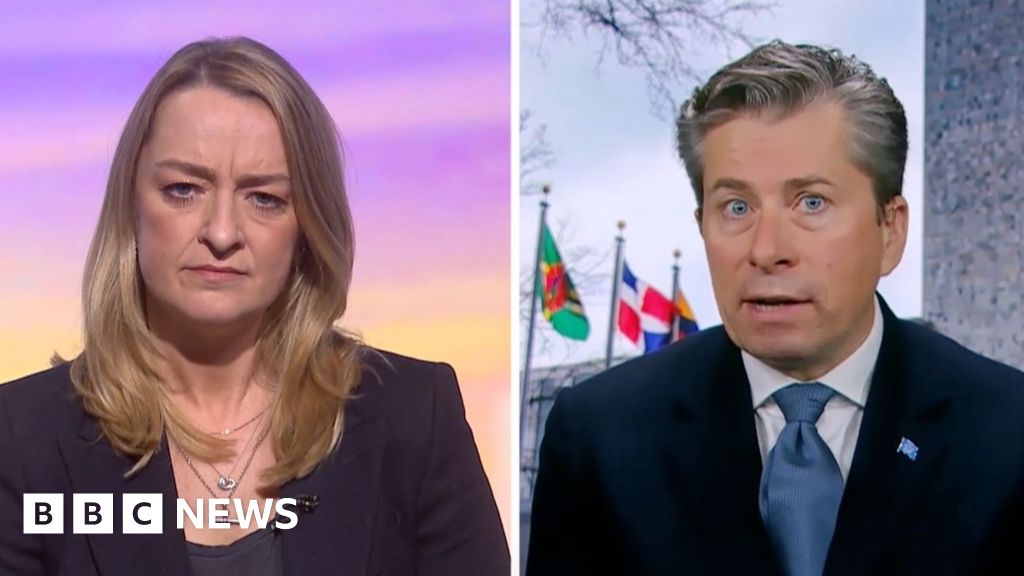
The world is facing a period of escalating instability, with the conflict in the Middle East posing a significant threat to regional and global security. A stark warning issued by UN Humanitarian Affairs Lead Tom Fletcher underscores the gravity of the situation, describing it as “a moment of grave, grave peril.” Fletcher highlighted the devastating impact of the ongoing violence on civilians and cautioned against potential “secondary impacts” – the spread of extremism and increased polarization – extending far beyond the immediate conflict zone. The call for de-escalation comes as international efforts to mediate a ceasefire struggle to gain traction.
Fletcher’s assessment, delivered to the BBC’s Laura Kuenssberg, reflects a growing international concern over the widening repercussions of the conflict. The situation is not merely a regional crisis. it carries the potential to destabilize broader geopolitical landscapes and exacerbate existing humanitarian challenges. The UN official emphasized the urgent need for a shift in approach, stating, “We’ve got to step back from the brink right now.” This plea for restraint comes amid heightened tensions and a complex web of regional interests.
Gaza: A Landscape of Despair
The immediate humanitarian crisis unfolding in Gaza is at the forefront of these concerns. Fletcher recently visited the coastal enclave and described scenes of “despair and hopelessness,” comparing the devastation to the aftermath of the atomic bombing of Hiroshima. In an interview with the BBC, he recounted witnessing widespread destruction and suffering, painting a grim picture of the conditions faced by civilians. The scale of the destruction is immense, with infrastructure severely damaged and essential services disrupted. The United Nations Office for the Coordination of Humanitarian Affairs (OCHA), led by Fletcher, is working to provide aid and assistance, but access remains a significant challenge.
The humanitarian fallout from the violence is “increasingly daunting,” according to a statement released by the Inter-Agency Standing Committee. The statement emphasizes that civilians are bearing the brunt of the escalating conflict. The disruption of essential services, including healthcare and sanitation, is exacerbating the humanitarian crisis and increasing the risk of disease outbreaks. The long-term consequences of the conflict, including psychological trauma and displacement, will be felt for years to come.
Regional and Global Implications
Beyond Gaza, the conflict is fueling broader regional instability. The BBC News reported on October 24, 2025, that the situation is impacting living costs around the world, with potential disruptions to food and fuel supplies. The report examines how unrest in the Middle East may affect global prices. The potential for escalation involving other regional actors remains a significant concern, raising the specter of a wider conflict. The involvement of Iran, as highlighted in recent reports, adds another layer of complexity to the situation.
Fletcher’s warning about “secondary impacts” extends to the potential for increased extremism and polarization. The conflict could provide fertile ground for extremist groups to recruit and expand their influence, both within the region and beyond. The spread of misinformation and hate speech online is also contributing to polarization, making it more difficult to find common ground and resolve the conflict peacefully. The rise in antisemitism and Islamophobia in various parts of the world is a worrying trend that underscores the potential for wider societal divisions.
The UN Response and International Efforts
The United Nations is playing a critical role in coordinating the humanitarian response and advocating for a ceasefire. Fletcher, as Under-Secretary-General for Humanitarian Affairs and Emergency Relief Coordinator, is leading these efforts. However, the UN’s ability to deliver aid and assistance is hampered by logistical challenges and security concerns. The organization is appealing for increased funding to support its humanitarian operations in the region.
International diplomatic efforts to mediate a ceasefire have so far yielded limited results. The United States, along with other key players, is engaged in intensive negotiations with regional stakeholders. However, deep-seated mistrust and conflicting interests are hindering progress. The BBC reported on strikes in Beirut, prompting residents to flee, highlighting the escalating tensions. The report details Israel’s strikes on Hezbollah targets in Lebanon. The situation remains fluid and unpredictable, with the potential for further escalation.
The Broader Context: A History of Conflict
The current conflict is rooted in a long history of political and territorial disputes. The Israeli-Palestinian conflict has been a source of instability in the region for decades, with numerous cycles of violence. The involvement of external actors, including Iran and the United States, has further complicated the situation. Understanding this historical context is crucial for comprehending the complexities of the current crisis. The recent killing of Ayatollah Ali Khamenei, Iran’s Supreme Leader, as reported by the BBC, has added another volatile element to the situation. The BBC’s coverage details the celebrations that followed in Iran’s streets.
A Call for De-escalation
Fletcher’s warning serves as a stark reminder of the urgent need for de-escalation and a renewed commitment to peaceful resolution. The humanitarian consequences of the conflict are already devastating, and the potential for wider regional and global instability is real. The international community must work together to address the root causes of the conflict and create a sustainable path towards peace. The UN’s call for a ceasefire must be heeded, and all parties must prioritize the protection of civilians.
The situation demands a comprehensive approach that addresses not only the immediate humanitarian needs but also the underlying political and economic factors that contribute to the conflict. This requires a long-term commitment to diplomacy, development, and reconciliation. The future of the region, and indeed the world, may depend on it.
The UN Security Council is scheduled to convene on March 15, 2026, to discuss the escalating crisis and consider potential resolutions. Further updates on the situation will be available on the UN OCHA website. We encourage readers to share their thoughts and perspectives on this critical issue in the comments section below.
Keep reading