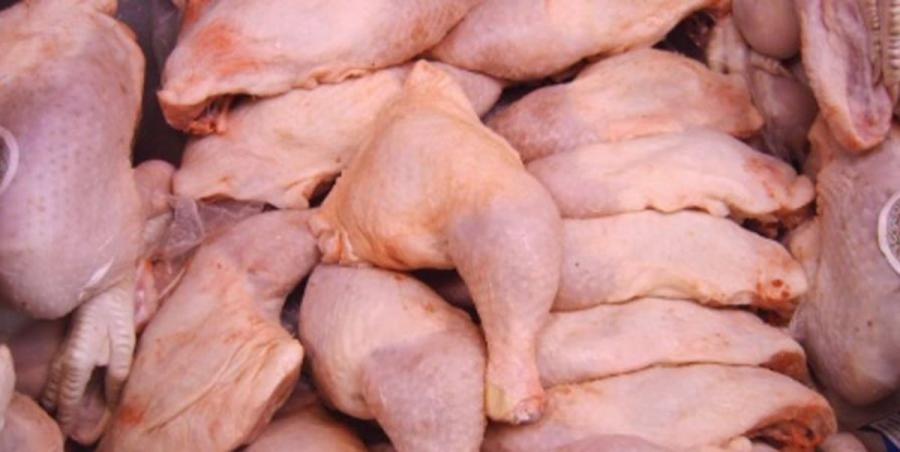
Tunis, Tunisia – The Tunisian Ministry of Commerce and Export Development has moved to stabilize poultry prices ahead of the upcoming month of Ramadan, a period of heightened demand. Effective March 9, 2026, maximum retail prices for chicken have been set at 5,300 millimes per kilogram at the abattoir level and 7,500 millimes per kilogram for sales originating from abattoirs. This intervention comes amid concerns over speculative practices and unjustified price increases within the sector, potentially impacting consumers during a traditionally significant period for food consumption.
The government’s decision reflects a broader effort to curb inflation and ensure affordability of essential goods. Poultry is a staple protein source for many Tunisian families, and fluctuations in its price can significantly affect household budgets. The move to regulate prices is intended to prevent market manipulation and guarantee fair access to this crucial food item, particularly as Ramadan approaches. The timing is critical, as demand typically surges during the holy month, creating opportunities for unscrupulous actors to exploit the situation.
Investigation into Price Speculation
The price controls are not an isolated measure but are part of an ongoing investigation into alleged illegal speculation within the poultry industry. According to a statement released by the Ministry, certain producers and distributors have been deliberately implementing repeated price hikes, disrupting supply chains and undermining efforts to maintain stable prices. Le Temps reports that the Ministry is actively collecting data to identify and prosecute those involved in these practices.
The Ministry has issued a formal call to all stakeholders in the poultry distribution sector – including producers, wholesalers, and retailers – to submit invoices and detailed information regarding their pricing and sales methods. This data will be used to verify the legitimacy of current prices and identify any instances of excessive markups or monopolistic behavior. The request for transparency underscores the government’s commitment to rooting out illicit practices and restoring market order. Failure to comply with this request could result in significant penalties.
Understanding the Millime
The Tunisian millime is a subunit of the Tunisian dinar (TND). 1000 millimes equal one dinar. As of March 8, 2026, one US dollar is equivalent to approximately 3.13 Tunisian dinars, meaning the price cap translates to roughly $1.69 per kilogram at the abattoir and $2.24 per kilogram at retail. Espacemanager provides a clear breakdown of these price points.
Ramadan and Food Security in Tunisia
The timing of these price controls is inextricably linked to the approaching month of Ramadan. Ramadan is a period of increased religious observance and communal gatherings, traditionally accompanied by a significant rise in food consumption. Ensuring food security and affordability during this time is a key priority for the Tunisian government. The Ministry recognizes that any disruption to the poultry supply or unjustified price increases could disproportionately affect vulnerable populations.
Tunisia, like many countries in the region, faces ongoing economic challenges, including inflation and unemployment. Maintaining stable food prices is therefore crucial for social stability. The government’s intervention in the poultry market can be seen as a proactive measure to mitigate potential risks and protect consumers from exploitation. However, the long-term effectiveness of price controls remains a subject of debate among economists.
Potential Challenges and Criticisms
While the intention behind the price controls is laudable, some experts caution that such measures can have unintended consequences. Artificial price ceilings can discourage production, leading to shortages and the emergence of black markets. Producers may reduce output if they are unable to achieve profitable margins, while consumers may resort to informal channels to obtain poultry at higher prices. AllAfrica.com highlights these potential drawbacks.
the effectiveness of the price controls will depend on the government’s ability to enforce them effectively. Robust monitoring and inspection mechanisms are essential to prevent violations and ensure compliance. The Ministry’s call for information from industry stakeholders is a positive step, but it must be complemented by proactive enforcement measures to deter illegal activity. The success of this initiative will ultimately hinge on the government’s commitment to transparency, accountability, and a level playing field for all market participants.
Legal Ramifications for Violators
The Tunisian Ministry of Commerce has made it clear that it will not tolerate any attempts to circumvent the price controls. The Ministry has warned that individuals and entities found guilty of speculation or other illegal practices will face the “most severe legal and administrative sanctions.” While the specific penalties have not been detailed, they could include fines, imprisonment, and the revocation of business licenses. This firm stance is intended to send a strong message to the industry and deter any attempts to exploit the situation.
The legal framework governing price controls and anti-competitive practices in Tunisia is based on a combination of laws and regulations designed to protect consumers and promote fair competition. The Ministry of Commerce is responsible for enforcing these laws and ensuring that businesses operate within the legal framework. The ongoing investigation into price speculation is a testament to the Ministry’s commitment to upholding these principles.
Key Takeaways
- The Tunisian government has imposed price controls on chicken, setting maximum retail prices of 5,300 millimes/kg at the abattoir and 7,500 millimes/kg at retail, effective March 9, 2026.
- These controls are part of an investigation into alleged price speculation and unjustified increases in the poultry sector.
- The move is timed to coincide with the approaching month of Ramadan, a period of heightened demand for food.
- Violators of the price controls face severe legal and administrative sanctions.
- The long-term effectiveness of the price controls will depend on enforcement and potential impacts on production.
Looking ahead, the Ministry of Commerce will continue to monitor the poultry market closely and assess the impact of the price controls. Further updates and announcements are expected as the situation evolves. Consumers are encouraged to report any instances of price gouging or other illegal practices to the relevant authorities. The government’s commitment to ensuring affordable access to essential goods remains a top priority, particularly during this critical period leading up to Ramadan.
The next key development will be the Ministry’s assessment of market compliance with the latest price regulations, expected within the first two weeks of March. We will continue to provide updates on this developing story as they become available. Share your thoughts and experiences in the comments below.
Keep reading