Dance as Therapy: A New Approach to Adolescent Mental Health in Dijon
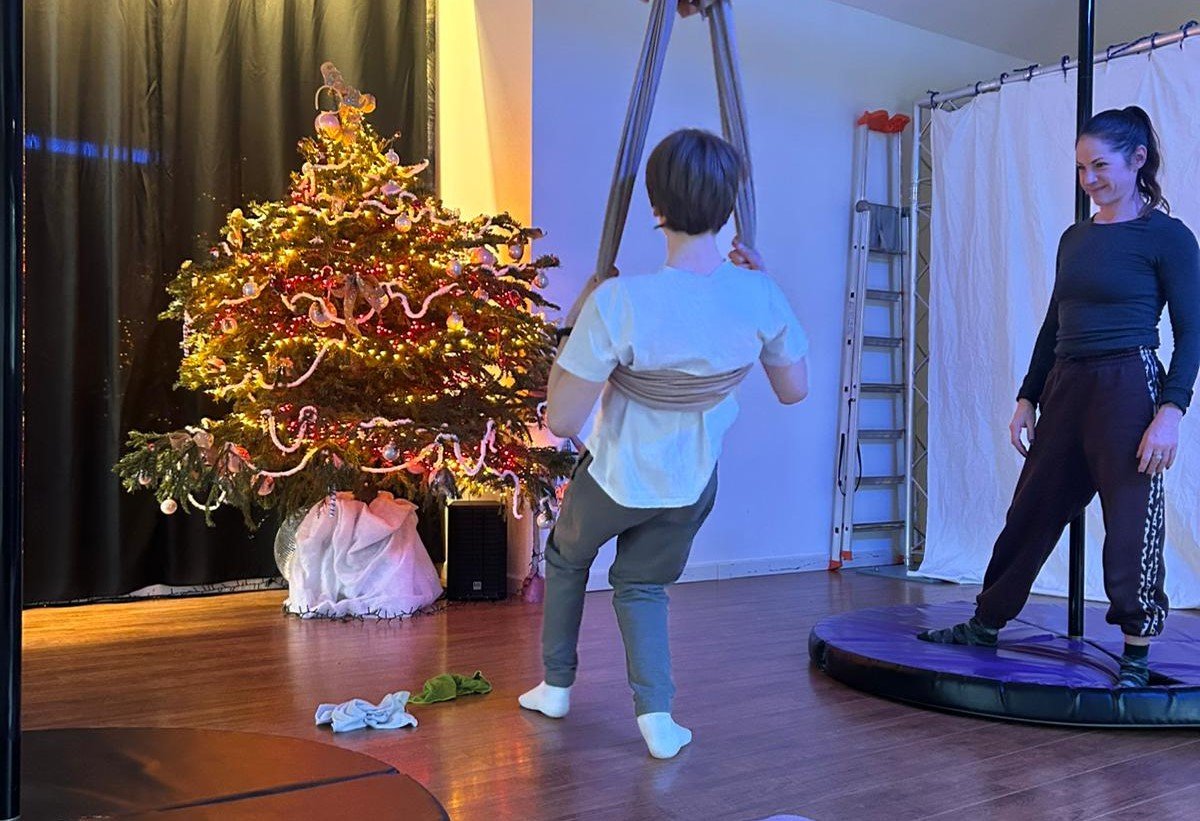
The intersection of arts and healthcare is gaining increasing recognition, with innovative therapies emerging to address complex mental health challenges. In Dijon, France, a unique program is utilizing dance – specifically, movement and expression through pole dance and circus arts – to support adolescents struggling with psychological distress. This initiative, spearheaded by Marion Bugada, director of MLDA Pole Studio and adopted by the Centre Hospitalier Universitaire (CHU) de Dijon Bourgogne, offers a non-verbal outlet for emotional processing and integration, providing a “pause” in what can often be a chaotic and difficult journey for young people. The program highlights a growing trend toward holistic and creative approaches to mental wellbeing, moving beyond traditional talk therapy to engage the body and spirit.
The CHU de Dijon Bourgogne, a leading academic hospital center, has integrated Bugada’s method into its adolescent mental health services. This collaboration underscores the hospital’s commitment to exploring diverse therapeutic interventions. The hospital itself provides a comprehensive range of psychiatric services, encompassing general psychiatry, specialized care, research, and education, as detailed on its official website. The CHU de Dijon’s Department of Adult Psychiatry outlines its missions across care, teaching, and research.
The Power of Movement: Dance-Art Therapy Explained
Marion Bugada’s approach is rooted in dance-art therapy, a field that utilizes movement to explore and address psychological and emotional issues. Bugada, who has specific training in this area, explains that unlike traditional psychotherapy, dance-art therapy prioritizes non-verbal expression. “In art therapy, we essentially work on our psyche, without words, unlike a session with a psychologist or psychotherapist,” she stated, as reported by Infos Dijon. “In art therapy, we often use painting or a medium like the body, which is my case. I use movement rather than words. It’s a way for people in consultation to express things that are difficult to live with.”
This method taps into the body’s innate ability to express emotions, often bypassing the cognitive barriers that can hinder verbal communication. The use of movement, particularly through modalities like pole dance and circus arts – incorporating aerial silks and other apparatus – provides a unique physical and emotional challenge. Bugada emphasizes that these tools aren’t about athletic prowess, but about exploration and self-discovery. The practice encourages self-awareness, emotional release, and the development of self-esteem. The incorporation of periods of silence within the sessions is also intentional, allowing participants to connect with their internal rhythms and foster a sense of calm.
A Collaborative Approach with the CHU de Dijon
The partnership between MLDA Pole Studio and the CHU de Dijon Bourgogne is a testament to the growing acceptance of complementary therapies within mainstream healthcare. Bugada receives referrals from medical professionals and works directly with adolescents under the care of the hospital’s psychiatric services. These young patients, often facing significant psychological challenges, benefit from a therapeutic environment that differs markedly from a traditional clinical setting. “It offers them a real time of calm,” Bugada explained. “It’s a break in their care journey, which is often chaotic and difficult.”
The sessions themselves are carefully structured. Adolescents attend with a member of their care team, beginning with an introduction to the session’s framework and the principles of dance therapy. Bugada then guides them through breathing exercises and introduces basic movements, often utilizing the circus apparatus. Participants are encouraged to explore their emotions through movement, with or without music, culminating in a period of quiet reflection. This structured yet flexible approach allows for individual expression and fosters a sense of safety and control.
The Broader Benefits of Dance-Movement Therapy
While the program in Dijon is relatively new, the principles behind it are grounded in established research on the benefits of dance-movement therapy (DMT). DMT is a psychotherapeutic approach that uses movement to promote emotional, social, cognitive, and physical integration. It’s been shown to be effective in treating a range of conditions, including depression, anxiety, trauma, and eating disorders.
Research suggests that DMT works by activating various psychological and physiological processes, including motor coordination, emotional expression, and body awareness. Some interventions utilizing body-mind approaches, like DMT, have demonstrated positive effects on both mental and physical health, particularly in individuals experiencing post-traumatic stress. The act of moving and expressing oneself through dance can help regulate the nervous system, release endorphins, and promote a sense of well-being. The non-verbal nature of the therapy can be particularly beneficial for individuals who struggle to articulate their feelings or have experienced trauma that makes verbal communication difficult.
Expanding Access to Innovative Mental Healthcare
The initiative in Dijon represents a promising step toward expanding access to innovative and holistic mental healthcare for adolescents. By integrating dance-art therapy into the existing framework of the CHU de Dijon Bourgogne, the program is reaching a population that might not otherwise have access to such a unique and potentially transformative intervention. The hospital’s commitment to research and education also suggests a potential for further exploration and refinement of this approach, paving the way for wider adoption in other healthcare settings. The CHU de Dijon also offers a range of other specialized psychiatric services, including a regional center for geriatric psychiatry (C2RPSA), demonstrating a comprehensive approach to mental health care.
As mental health challenges continue to rise among young people, particularly in the wake of the COVID-19 pandemic, the necessitate for innovative and accessible therapeutic options is more critical than ever. The program in Dijon offers a compelling example of how creative approaches, grounded in scientific principles, can provide a lifeline for adolescents struggling with psychological distress. The continued evaluation and expansion of such initiatives will be crucial in shaping the future of mental healthcare.
Looking ahead, the CHU de Dijon Bourgogne will continue to assess the impact of this program on adolescent patients. Further research will be essential to fully understand the long-term benefits of dance-art therapy and to identify best practices for implementation. For those interested in learning more about dance-art therapy, resources are available through the American Dance Therapy Association (ADTA) and similar organizations worldwide.
What are your thoughts on the use of creative therapies in mental healthcare? Share your comments below, and please share this article with your network to raise awareness about innovative approaches to adolescent mental wellbeing.
Worth a look