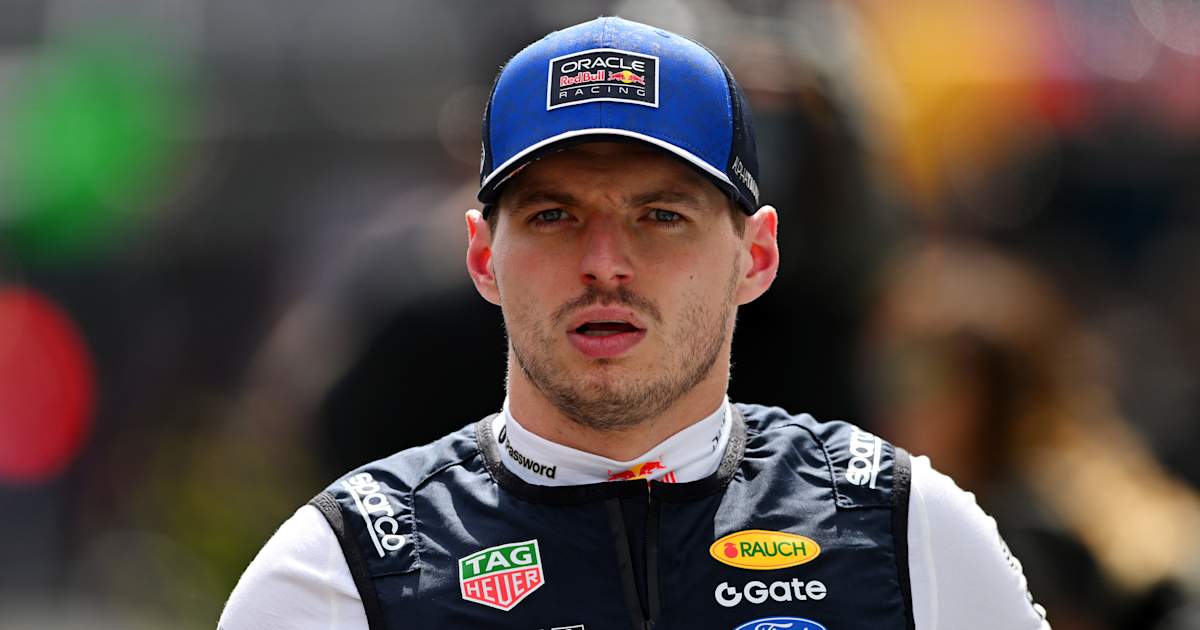
Verstappen Battles Back After Qualifying Crash, Voices Concerns Over New F1 Regulations
Melbourne, Australia – Max Verstappen, the four-time Formula 1 World Champion, faced a challenging Australian Grand Prix weekend after a dramatic crash during qualifying on Saturday, March 7, 2026. The incident, which occurred at Turn 1 of the Albert Park Circuit, left the Red Bull Racing driver starting from the back of the grid for Sunday’s race. Despite the setback, Verstappen demonstrated resilience, finishing sixth and securing eight championship points. However, the weekend too highlighted ongoing concerns about the new regulations governing the sport and the driving experience they demand, with Verstappen openly questioning whether Formula 1 officials should be worried about the current state of affairs.
The qualifying session was cut short for Verstappen when his car “locked on the rear axles,” sending him spinning into the barriers. Footage of the crash quickly circulated, showing the Red Bull car impacting the wall. He was uninjured, but the damage forced him to start the race in 20th position, alongside Carlos Sainz and Lance Stroll, who also did not set a timed lap in Q1. The incident underscored the unpredictable nature of the new era of Formula 1, marked by changes to engine technology and aerodynamic regulations.
A Difficult Qualifying Session and Determined Race Performance
Verstappen’s crash wasn’t the only disruption in qualifying. According to reports from ESPN, the new cars, with their emphasis on battery management, have presented a complicated driving style for all competitors. The Dutchman expressed his frustration with the new regulations even before the crash, stating, “I’m definitely not having fun at all with these cars.” Despite the challenging start, Verstappen managed to climb through the field during the race, ultimately finishing in sixth place. This performance demonstrated his skill and determination, but did little to quell his concerns about the direction of the sport.
Following the race, Verstappen reiterated his dissatisfaction, stating that he loves racing but there is a limit to what is tolerable. He acknowledged that the FIA and Formula 1 appear receptive to driver feedback, but emphasized the need for concrete action. “I hope simply that something will be done,” he said, adding that his concerns are shared by many drivers and fans alike. He stressed the desire for a “real Formula 1,” rather than a “Formula 1 on steroids,” suggesting a need for a more balanced and engaging racing experience.
Medical Checks and Concerns Over Car Performance
Following the crash, Verstappen underwent X-rays on his hands as a precautionary measure. The Associated Press reported that he was cleared by the Formula 1 medical team, allowing him to compete in the race. The incident prompted further scrutiny of the new car designs and their impact on driver control. Verstappen’s comments suggest that the current regulations are not only affecting performance but also the overall enjoyment of the sport for those behind the wheel.
The new regulations, introduced for the 2026 season, aim to promote closer racing and reduce aerodynamic turbulence. These changes involve a significant overhaul of the car’s aerodynamic design, focusing on ground effect and simplified front and rear wings. The shift towards hybrid engines also requires drivers to carefully manage battery power throughout the race, adding another layer of complexity. While the intention is to improve the spectacle, Verstappen’s criticism suggests that these changes may be having unintended consequences, making the cars more difficult to handle and less enjoyable to drive.
Looking Ahead: Addressing Driver Concerns
Verstappen’s outspokenness is likely to put pressure on the FIA and Formula 1 management to address the concerns raised by drivers. The governing body has previously demonstrated a willingness to listen to driver feedback and develop adjustments to the regulations. The challenge will be to find a balance between maintaining the competitive integrity of the sport and ensuring that the cars are enjoyable and safe to drive. The Australian Grand Prix weekend served as a stark reminder that technical regulations can have a significant impact on the overall racing experience.
The debate surrounding the new regulations is not limited to Verstappen. Other drivers have also expressed concerns about the handling characteristics of the cars and the complexity of the new power units. The need for careful battery management, in particular, has been cited as a source of frustration, as it can limit a driver’s ability to push the car to its full potential. The FIA is expected to continue monitoring driver feedback and analyzing data from the races to identify areas for improvement.
Key Takeaways
- Max Verstappen crashed during qualifying for the Australian Grand Prix, starting the race in 20th position.
- Despite the setback, he finished sixth in the race, demonstrating his competitive spirit.
- Verstappen has been vocal about his dissatisfaction with the new Formula 1 regulations, citing handling difficulties and a lack of enjoyment.
- He hopes that the FIA and Formula 1 will address these concerns and make adjustments to improve the racing experience.
- The incident highlights the ongoing debate about the impact of technical regulations on driver control and the overall spectacle of the sport.
The next race on the Formula 1 calendar is the Japanese Grand Prix, scheduled for April 5, 2026, at the Suzuka International Racing Course. This event will provide another opportunity for drivers to test the new regulations and provide further feedback to the FIA. The outcome of the Japanese Grand Prix, and the subsequent discussions between drivers and officials, will be crucial in shaping the future direction of Formula 1. We encourage readers to share their thoughts on the new regulations and Verstappen’s concerns in the comments below.
Worth a look