Renewed Push for Measles Vaccination in Spain as Cases Resurface
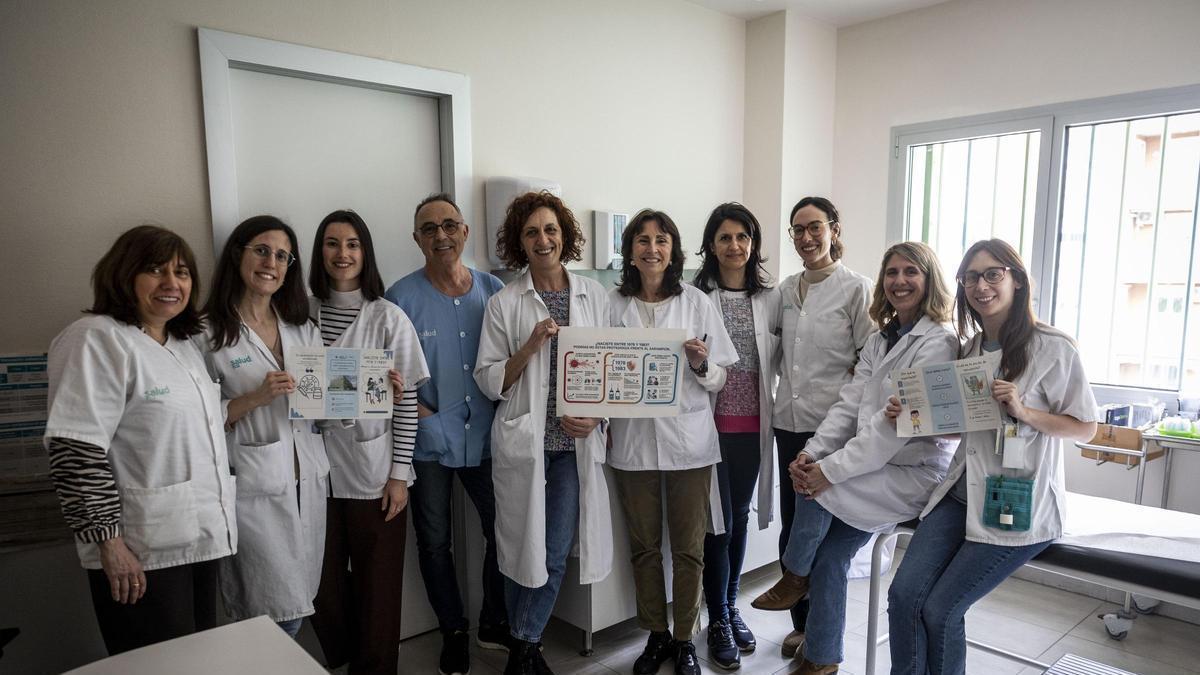
Health officials in Zaragoza, Spain, are proactively reaching out to residents, particularly those born between 1978 and 1983, to verify their measles vaccination status. This initiative, launched by the La Almozara health center, comes as the country experiences a resurgence of the highly contagious disease, a development confirmed earlier in 2026 by the World Health Organization (WHO). The proactive approach underscores growing concerns about waning immunity and the potential for wider outbreaks.
Measles, once considered eradicated in many parts of the world, is making a comeback globally, prompting public health agencies to reassess vaccination strategies. The WHO has repeatedly emphasized the critical importance of maintaining high vaccination coverage to prevent the spread of this potentially serious illness. The current situation in Spain highlights the vulnerability of individuals who received only one dose of the measles vaccine in their youth, a common practice between 1978, and 1983.
Targeting a Vulnerable Population
The La Almozara health center’s project aims to reach an estimated 1,000 to 1,500 patients born between 1978 and 1983, a demographic that may not have developed sufficient immunity with a single vaccine dose. María Plumed, the coordinator of the project at the La Almozara health center, explained that the initiative is a quality improvement effort designed to expand immunization coverage against measles. The team is actively contacting patients through phone calls and during routine medical appointments to assess their vaccination history.
Although the response has been largely positive, Plumed noted that some individuals face logistical challenges in getting vaccinated, such as work commitments or difficulty locating their vaccination records. The health center is working to overcome these barriers and encourage as many eligible individuals as possible to receive a second dose of the measles, mumps, and rubella (MMR) vaccine. The project is expected to continue for several months, with ongoing efforts to identify and immunize susceptible individuals.
Why a Second Dose is Crucial
The resurgence of measles underscores the importance of achieving and maintaining herd immunity, a level of protection within a population that prevents the spread of infectious diseases. According to health experts, a single dose of the measles vaccine is not always sufficient to provide lifelong immunity. The Centers for Disease Control and Prevention (CDC) recommends that all individuals, regardless of age, should be protected against measles through vaccination or evidence of prior infection.
Measles is a highly contagious viral illness that can lead to serious complications, including pneumonia, encephalitis (inflammation of the brain), and even death. These complications are particularly dangerous for infants, pregnant women, and individuals with weakened immune systems. The virus spreads through the air when an infected person coughs or sneezes, making it easily transmissible in crowded settings. Symptoms typically begin with a high fever, cough, runny nose, and red, watery eyes, followed by a characteristic rash that spreads from the head to the body.
Spain’s Vaccination History and Current Efforts
Systematic measles vaccination began in Spain in 1978. Prior to widespread vaccination, measles was a common childhood illness, causing significant morbidity and mortality. The introduction of the MMR vaccine dramatically reduced the incidence of measles, leading to its near-elimination in the country. However, declining vaccination rates in recent years have created pockets of susceptibility, allowing the virus to re-emerge.
The La Almozara health center’s initiative is part of a broader effort to strengthen measles vaccination coverage across Spain. Health authorities are collaborating with pharmacies and other healthcare providers to raise awareness about the importance of vaccination and build it more accessible to the public. The project also draws on lessons learned from a similar initiative focused on the herpes zoster vaccine, demonstrating the health center’s experience in proactive outreach and patient engagement.
The Wider Context: Global Measles Resurgence
The situation in Spain is not unique. Globally, measles cases have been increasing in recent years, driven by factors such as declining vaccination rates, disruptions to immunization programs due to the COVID-19 pandemic, and the spread of misinformation about vaccines. The WHO and UNICEF have warned that the world is at risk of a major measles outbreak, potentially reversing decades of progress in controlling the disease.
The resurgence of measles serves as a stark reminder of the importance of vaccination as a public health intervention. Vaccines are one of the most effective tools we have to prevent infectious diseases and protect vulnerable populations. Maintaining high vaccination coverage requires ongoing efforts to address vaccine hesitancy, improve access to immunization services, and strengthen surveillance systems.
Key Takeaways
- Measles cases are increasing in Spain and globally, prompting renewed vaccination efforts.
- Individuals born between 1978 and 1983 may be particularly vulnerable due to receiving only one dose of the vaccine in their youth.
- A second dose of the MMR vaccine is recommended to ensure adequate protection against measles.
- Measles can lead to serious complications, especially in infants, pregnant women, and individuals with weakened immune systems.
- Maintaining high vaccination coverage is crucial for achieving and sustaining herd immunity.
Health officials will continue to monitor measles cases closely and adjust vaccination strategies as needed. The La Almozara health center’s project is a vital step in protecting the community from this preventable disease. Individuals with questions or concerns about measles vaccination are encouraged to consult with their healthcare provider.
The next update on Spain’s measles vaccination campaign is expected in June 2026, when the Ministry of Health will release updated data on vaccination coverage and case numbers. We encourage readers to share this information with their communities and to prioritize vaccination to protect themselves and others.
Worth a look