Rising Fuel Prices Drive ‘Tank Tourism’ as Germans Cross Borders to Fill Up
European fuel prices are on the rise, a trend exacerbated by ongoing geopolitical instability in the Middle East. This has led to a surge in what German media are calling “tank tourism” – drivers from Germany crossing borders into neighboring countries, including the Czech Republic, Poland, Austria, and Luxembourg, to accept advantage of lower prices at the pump. The disparity in cost is largely attributed to differing tax burdens on fuel, with Germany imposing significantly higher consumer taxes. As of March 8, 2026, gasoline and diesel prices in Germany hover around two euros per liter (approximately $0.53 per liter, or $2.01 per gallon), prompting drivers to seek cheaper alternatives across borders.
The increase in fuel costs follows the outbreak of conflict in the Middle East last Saturday, triggering volatility in global energy markets. While the situation remains fluid, the immediate impact has been felt at gas stations across Europe. According to data from Deutschlandfunk, German motorists are increasingly looking to neighboring countries to mitigate the financial strain. The Czech Republic, in particular, has become a popular destination for cross-border fuel runs, due to its comparatively lower prices and proximity to several German states.
Czech Republic Sees Influx of German Drivers
Fuel prices within the Czech Republic have also increased in response to the Middle Eastern crisis. As of Friday, March 7, 2026, diesel fuel averaged 35.10 Czech koruna per liter (approximately $1.53 USD), a rise of 2.13 koruna from the previous week. The most popular gasoline, Natural 95, increased by 1.21 koruna to an average of 34.68 koruna per liter ($1.51 USD). However, significant price variations exist between different gas stations, with some charging as much as 7 koruna more per liter than others. Despite these increases, the Czech Republic remains a more affordable option for German drivers, driving a noticeable uptick in cross-border traffic.
The phenomenon isn’t limited to the Czech Republic. Polish and Austrian gas stations are also reporting increased business from German customers. The difference in prices is substantial enough to offset the cost of travel for many drivers, particularly those living near the borders. Analysts predict that fuel prices will continue to climb in the coming weeks, potentially exacerbating the trend of “tank tourism.”
Border Controls and Regulations
Authorities are taking note of the increased cross-border traffic. According to reports from regional media in Saxony and Bavaria, German police are observing a heightened level of “small border traffic.” While this hasn’t caused significant traffic congestion, officials are monitoring the situation closely. German customs officials have also increased spot checks at border crossings to ensure drivers are adhering to regulations regarding the amount of fuel they can transport.
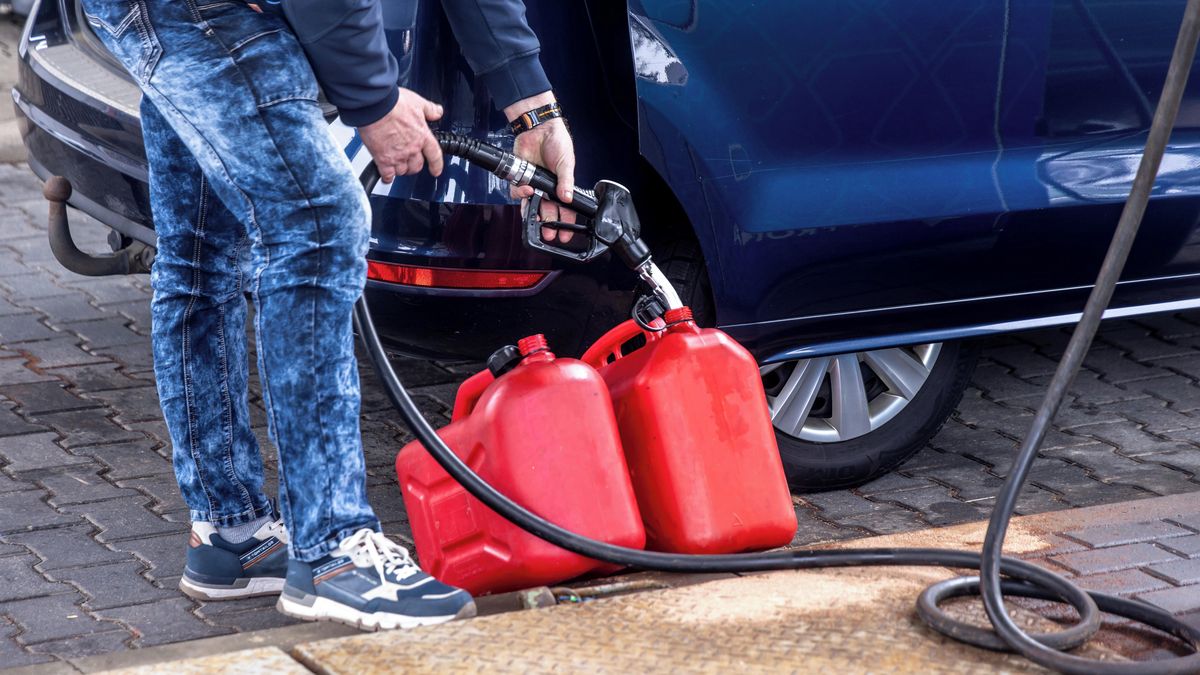
European Union regulations allow individuals to transport gasoline or diesel in addition to the fuel in their vehicle’s tank, but only up to 20 liters in portable containers. The fuel carried in containers must be of the same type as that used by the vehicle. Those exceeding this limit risk fines and confiscation of the fuel. Lisa Pörschmann, a spokesperson for the German customs administration, stated that customs officials are conducting random checks at all borders, with a particular focus on the borders with the Czech Republic and Poland, where the price difference is most pronounced.
Debate Over Price Controls in Germany
The rising cost of fuel has sparked debate in Germany regarding the potential reintroduction of price controls. However, the idea has faced opposition from both Minister of Economic Affairs, Katherina Reiche, and representatives from German business associations. Several environmental organizations have also voiced concerns, arguing that price controls could discourage efforts to reduce fuel consumption and promote more sustainable transportation options. The current government appears hesitant to intervene directly in the market, preferring to monitor the situation and address any potential supply disruptions.
The Broader Context: Geopolitical Instability and Energy Markets
The current surge in fuel prices is directly linked to the escalating tensions in the Middle East. The conflict has raised concerns about potential disruptions to oil supplies, leading to increased volatility in global energy markets. The price of Brent crude oil, a benchmark for international oil prices, has risen sharply in recent days, further contributing to the increase in fuel costs for consumers. The situation is complicated by ongoing geopolitical factors, including sanctions against major oil-producing countries and the potential for further escalation of conflicts in the region.
The Czech Republic’s position as a relatively affordable fuel source for German drivers is also influenced by its tax structure. Germany levies significantly higher taxes on gasoline and diesel compared to the Czech Republic, contributing to the price difference. This difference, while seemingly small per liter, can add up to substantial savings for drivers filling up large tanks. The Czech government has not yet announced any measures to address the influx of German drivers or the potential impact on domestic fuel supplies.
Key Takeaways
- Rising fuel prices, driven by conflict in the Middle East, are prompting German drivers to seek cheaper alternatives in neighboring countries.
- The Czech Republic, Poland, Austria, and Luxembourg are experiencing an increase in cross-border fuel purchases from German motorists.
- German customs officials are conducting increased checks at border crossings to ensure compliance with fuel transportation regulations.
- There is ongoing debate in Germany regarding the potential reintroduction of fuel price controls.
- Geopolitical instability and differing tax structures are key factors contributing to the price disparity.
The situation remains dynamic, and further developments in the Middle East could have a significant impact on global energy markets and fuel prices. Consumers are advised to stay informed about the latest developments and to plan their fuel purchases accordingly. The German government is expected to continue monitoring the situation closely and to consider potential measures to mitigate the impact of rising fuel costs on German households and businesses. The next official update from the German Ministry of Economic Affairs regarding fuel prices is scheduled for March 15, 2026.
What are your thoughts on the rising fuel prices and the impact on cross-border travel? Share your experiences and opinions in the comments below.
Keep reading