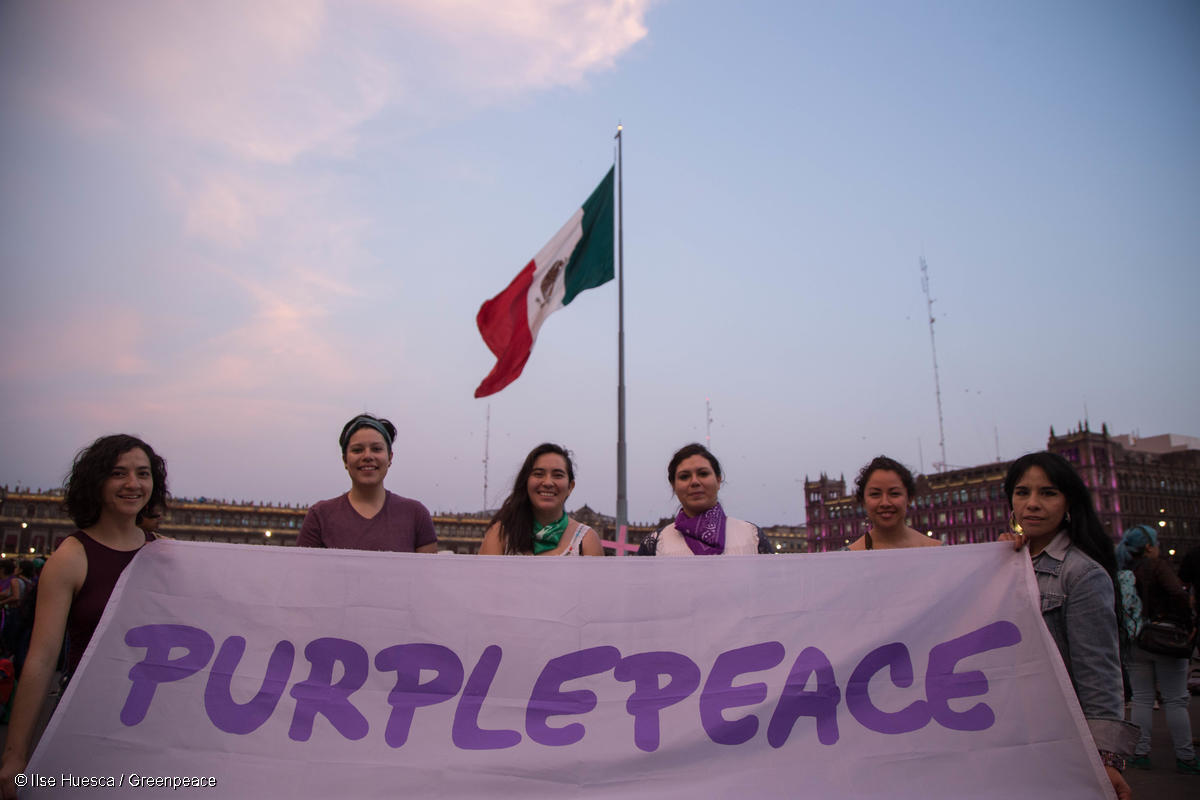
As the world marks International Women’s Day on March 8th, it’s a crucial moment to recognize the profound impact women have had – and continue to have – on environmental stewardship. Throughout history, women have been at the forefront of conservation efforts, often challenging societal norms and paving the way for a more sustainable future. Their contributions, frequently underrecognized, are essential to addressing the complex environmental challenges facing our planet. From groundbreaking scientific research to grassroots activism, women are driving change and inspiring future generations to protect the Earth’s precious resources. This article highlights the remarkable perform of four such women – Jane Goodall, Wangari Maathai, Vandana Shiva, and Graciela Tiburcio Pintos – whose dedication and vision have left an indelible mark on the field of environmental conservation.
The fight for environmental protection is inextricably linked to broader struggles for social justice and equality. Women, particularly in developing nations, often bear the brunt of environmental degradation, facing disproportionate impacts from climate change, deforestation, and pollution. Recognizing this intersectionality, many women environmentalists have championed holistic approaches that address both ecological and social concerns. Their work demonstrates that empowering women is not only a matter of fairness but also a critical component of effective environmental solutions. The dedication of these women to understanding and protecting our planet serves as a powerful reminder that a sustainable future requires the full participation and leadership of all.
The stories of these women, and countless others, demonstrate a consistent pattern: a deep connection to the natural world, a commitment to scientific rigor, and a willingness to challenge the status quo. Their legacies extend beyond specific conservation projects; they have inspired countless individuals to become environmental advocates and have fundamentally shifted the way we think about our relationship with the planet. Their work underscores the importance of fostering inclusivity and diversity within the environmental movement, ensuring that all voices are heard and all perspectives are valued.
Jane Goodall: A Voice for the Chimpanzees
Jane Goodall, born Valerie Jane Morris-Goodall on April 3, 1934, is arguably one of the most influential scientists in the study of animal behavior and conservation. Her pioneering research on chimpanzees in Gombe Stream National Park, Tanzania, revolutionized our understanding of primates and their relationship to humans. Goodall’s work began in July 1960, and she initially faced skepticism from the scientific community due to her unconventional methods – observing chimpanzees in their natural habitat without imposing human frameworks. Mongabay details her long and impactful career.
Goodall’s key contributions include the groundbreaking discovery that chimpanzees use tools – a finding that challenged the long-held belief that tool use was exclusive to humans. She observed chimpanzees stripping leaves from twigs to “fish” for termites, demonstrating a level of intelligence and problem-solving ability previously thought impossible for non-human primates. In 1977, she established the Jane Goodall Institute, which works globally on conservation, education, and community development. The Institute’s Roots & Shoots program, founded in 1991, empowers young people to create positive change in their communities and the environment. Today, Goodall continues to travel the world as a UN Messenger of Peace, advocating for environmental protection and animal welfare.
Wangari Maathai: Sowing Millions of Seeds of Hope
Wangari Maathai (1940-2011) was a Kenyan environmental and political activist and a champion of sustainable development. She founded the Green Belt Movement in 1977, an organization that has planted over 51 million trees in Africa, combating deforestation, soil erosion, and empowering rural women. Maathai’s work was rooted in the understanding that environmental degradation and social injustice are interconnected. She recognized that deforestation disproportionately affected women, who were responsible for collecting firewood and water for their families.
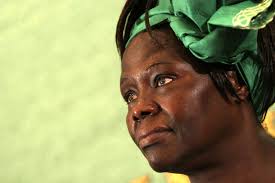
The Green Belt Movement not only addressed environmental concerns but also provided economic opportunities for women, enabling them to become agents of change in their communities. Maathai’s activism often faced opposition from the Kenyan government, but she remained steadfast in her commitment to environmental protection and social justice. In 2004, she became the first African woman to win the Nobel Peace Prize, recognized for her “contribution to sustainable development, democracy and peace.” Her legacy continues to inspire environmental activists around the world.
Vandana Shiva: Defender of Biodiversity and Sustainable Agriculture
Vandana Shiva, born in 1952, is a physicist, ecologist, and activist who has dedicated her life to defending food sovereignty, biodiversity, and ecological agriculture. She is a vocal critic of industrial agriculture and the use of genetically modified (GM) seeds, arguing that they threaten biodiversity, undermine farmers’ rights, and have negative environmental and social consequences. Shiva founded Navdanya in 1993, an organization that promotes the conservation of native seeds and sustainable farming practices in India. National Geographic highlights her work in seed conservation.
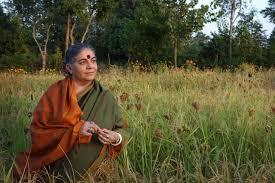
Shiva is a leading figure in the ecofeminist movement, which connects the oppression of women with the exploitation of nature. She argues that both are rooted in patriarchal systems of domination and control. Her work challenges the dominant paradigm of economic growth at the expense of environmental sustainability and social justice. Shiva has authored numerous books on the subject, including “Monocultures of the Mind” and “Soil Not Oil,” which have become influential texts in the environmental movement. She continues to advocate for a more just and sustainable food system, emphasizing the importance of local knowledge, biodiversity, and farmer empowerment.
Graciela Tiburcio Pintos: Environmental Science from Mexico
Graciela Tiburcio Pintos is a Mexican biologist and researcher dedicated to environmental studies and conservation, with a specific focus on sea turtles in Baja California Sur. Her work centers on ecology, natural resource management, and sustainability. She has collaborated with academic and governmental institutions to formulate environmental policies based on scientific evidence. CULCO BCS describes her as a “legend” in the field.
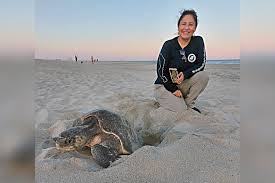
Tiburcio Pintos’s research has been instrumental in understanding the threats facing sea turtle populations in the region, including habitat loss, poaching, and climate change. She has worked tirelessly to implement conservation measures, such as nest protection programs and community outreach initiatives. Her work exemplifies the often-unseen contributions of scientists working diligently to protect biodiversity and promote sustainable practices. She represents all the environmental scientists who work, often from anonymity, but generating a profound impact.
Protecting the environment is, a feminist struggle. These women have demonstrated that science, social commitment, and a love for nature can transform the world. As we celebrate International Women’s Day, let us recognize, support, and empower the women who are defending our planet and inspiring new generations to build a more just, healthy, and sustainable future. The Jane Goodall Institute continues its work globally, with ongoing projects detailed on their official website: https://www.janegoodall.org/. Further updates on the Green Belt Movement can be found at https://www.greenbeltmovement.org/.
Looking ahead, continued investment in women-led environmental initiatives and policies is crucial. The upcoming UN Climate Change Conference (COP30) in Belém, Brazil, in November 2025, will be a key opportunity to advocate for gender-responsive climate action and ensure that women’s voices are central to the global conversation on sustainability. Share your thoughts on the role of women in environmental conservation in the comments below, and aid us amplify these important stories.
Keep reading