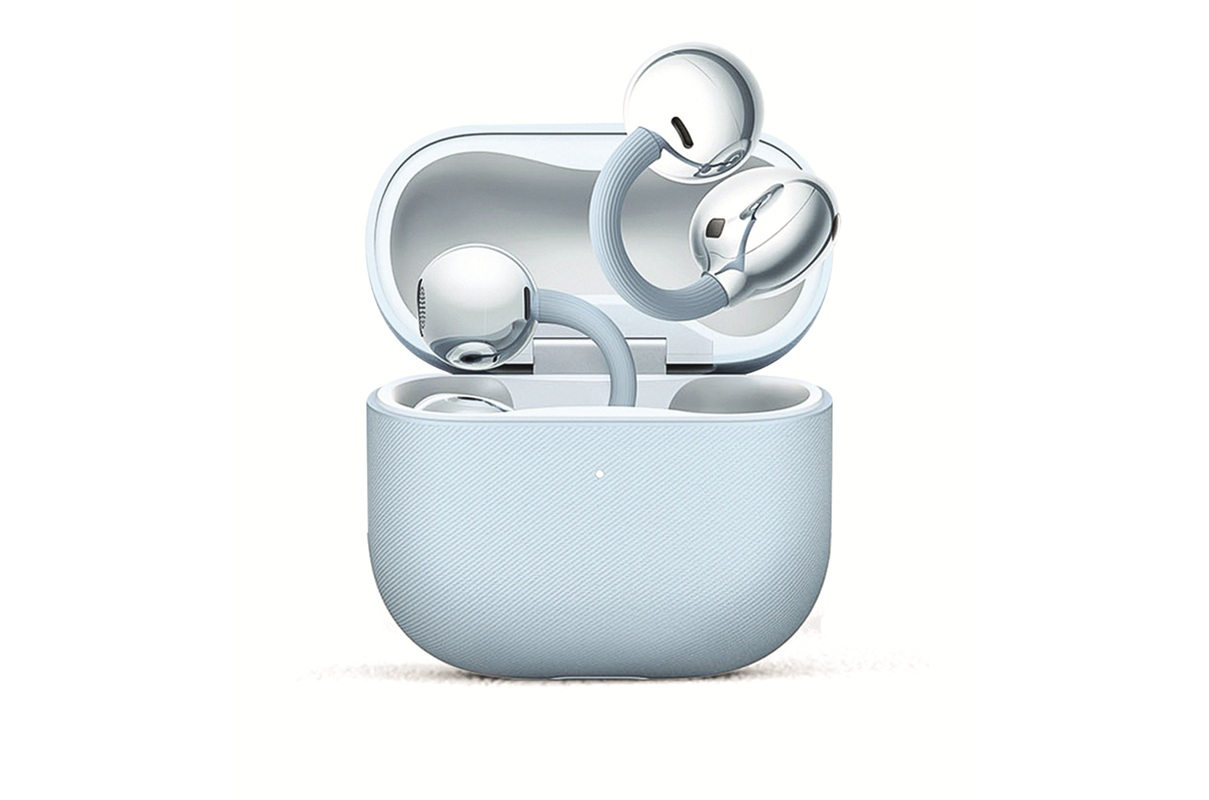
The market for open-ear headphones, designed to allow users to remain aware of their surroundings while enjoying audio, has been steadily growing. These devices offer a compelling balance between immersive listening and situational awareness – a key safety feature for pedestrians and cyclists, and a potentially healthier option for long-term hearing. Following the success of its original FreeClip model, Huawei has launched the FreeClip 2, aiming to refine the design and enhance both comfort and audio performance. The appeal of these devices lies in their unique form factor and lightweight build, but do they deliver on the promise of a superior open-ear experience?
Huawei first entered the open-ear headphone market two years ago with the original FreeClip, which garnered positive attention and spurred competition from other manufacturers. The FreeClip 2 builds upon this foundation, featuring a distinctive design comprising a “bean-shaped” component that rests against the ear and a spherical element positioned behind the ear, connected by a flexible silicone band. This construction results in a remarkably lightweight device, weighing just 5.1 grams, contributing significantly to extended comfort, even during prolonged use. This focus on ergonomics addresses a common concern with some headphone designs, particularly those worn for extended periods.
Design and Comfort: A Lightweight Approach
The FreeClip 2’s design prioritizes comfort and stability. The lightweight build, at 5.1 grams, is a significant selling point, minimizing pressure points and allowing for extended wear without fatigue. The open-ear design itself is a key differentiator, avoiding the occlusion effect – the sensation of muffled sound – often experienced with in-ear headphones. This can be particularly beneficial for users who prefer to maintain a natural awareness of their environment. The use of silicone ensures a secure fit for a variety of ear shapes, though individual experiences may vary.
Connectivity and Features: Enhanced Functionality
The FreeClip 2 utilizes Bluetooth 5.4 technology, supporting multipoint pairing, enabling seamless connection to multiple devices simultaneously. This is a practical feature for users who frequently switch between smartphones, tablets, and laptops. Modern features include spatial audio with head tracking, which dynamically adjusts the soundstage based on head movements, and adaptive audio, which automatically adjusts the volume based on ambient noise levels. Huawei has also incorporated gesture controls, allowing users to answer calls with a simple head nod. These additions aim to provide a more intuitive and immersive user experience.
Audio Performance and Battery Life: Balancing Openness and Sound Quality
As with all open-ear headphones, the FreeClip 2’s audio quality is inherently limited by its open design. Sound leakage is inevitable, and external noise can easily interfere with the listening experience. However, Huawei claims to have improved the bass response and overall clarity compared to the original FreeClip. Reports suggest the bass is indeed potent, while the higher frequencies, though somewhat subdued, are adequate for most listening scenarios. Battery life is rated at nine hours on a single charge, with the charging case providing an additional 38 hours of playback time. Real-world testing has reportedly yielded results close to these figures.
Huawei FreeClip 2: Key Specifications and Pricing
Here’s a breakdown of the key specifications for the Huawei FreeClip 2:
- Weight: 5.1 grams
- Bluetooth Version: 5.4
- Multipoint Connection: Supported
- Spatial Audio: Yes, with head tracking
- Adaptive Audio: Yes
- Gesture Controls: Yes
- Battery Life: 9 hours (earbuds), 38 hours (with charging case)
- Price: €199
The Huawei FreeClip 2 is currently priced at €199, positioning it within the mid-range of the open-ear headphone market. This price point reflects the device’s combination of innovative design, enhanced features, and comfortable fit.
The Growing Trend of Open-Ear Headphones
The rise of open-ear headphones reflects a growing consumer demand for audio solutions that prioritize safety and situational awareness. Traditional in-ear headphones can block out ambient sounds, potentially creating hazardous situations for pedestrians, cyclists, and anyone operating in a dynamic environment. Open-ear headphones address this concern by allowing users to hear their surroundings while still enjoying their audio content. This trend is also driven by increasing awareness of the potential long-term effects of prolonged headphone use on hearing health. By avoiding the occlusion effect and allowing for natural airflow to the ear canal, open-ear headphones may offer a more comfortable and potentially healthier listening experience.
However, the trade-off for this increased awareness and potential health benefit is often a compromise in audio fidelity and sound isolation. Open-ear headphones are generally not ideal for critical listening or use in noisy environments. They are best suited for casual listening, podcasts, audiobooks, and situations where maintaining situational awareness is paramount.
Alternatives to the Huawei FreeClip 2
While the Huawei FreeClip 2 is a strong contender in the open-ear headphone market, several other options are available. Shokz, formerly known as AfterShokz, is a leading manufacturer of bone conduction headphones, which transmit sound through the cheekbones rather than the ear canal. These headphones offer a similar level of situational awareness but utilize a different technology. Other brands, such as Cleer Audio and Soundcore, also offer open-ear headphone models with varying features and price points.
Choosing the right open-ear headphone depends on individual needs and preferences. Factors to consider include comfort, audio quality, battery life, features, and price.
The Huawei FreeClip 2 represents a significant step forward in open-ear headphone technology, offering a compelling combination of comfort, features, and performance. While not a replacement for traditional headphones in all scenarios, it provides a viable option for users who prioritize situational awareness and a lightweight listening experience.
As Huawei continues to refine its open-ear technology, we can expect to see further innovations in this rapidly evolving market. The company has not yet announced any specific plans for future iterations of the FreeClip, but We see likely that future models will focus on improving audio quality, enhancing noise cancellation, and further optimizing the user experience.
Key Takeaways:
- The Huawei FreeClip 2 offers a comfortable and lightweight open-ear listening experience.
- Bluetooth 5.4 and multipoint pairing provide seamless connectivity.
- Spatial audio and adaptive audio enhance the immersive listening experience.
- Battery life is rated at nine hours with the earbuds and 38 hours with the charging case.
- The €199 price point positions the FreeClip 2 competitively within the open-ear headphone market.
The Huawei FreeClip 2 is available for purchase directly from Huawei’s website and through select retailers. For more information and to explore the full specifications, visit the Huawei website.
What are your thoughts on open-ear headphones? Share your experiences and opinions in the comments below. Don’t forget to share this article with anyone who might be interested in learning more about this innovative audio technology.