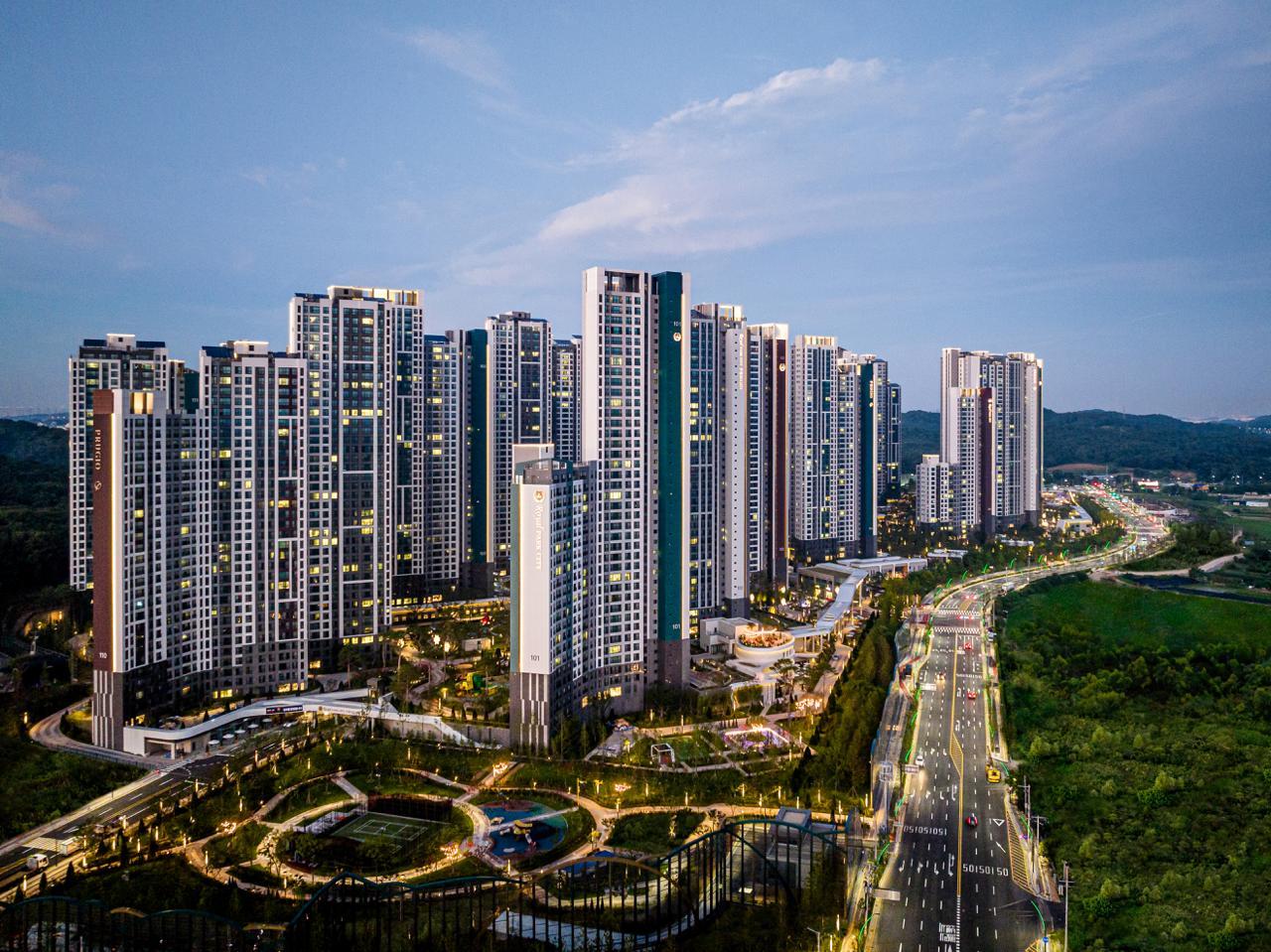
Incheon, South Korea – The cost of homeownership in the South Korean port city of 인천 (Incheon) is rapidly escalating, with average apartment prices nearing a significant milestone. Even as still comparatively affordable to Seoul and Gyeonggi Province, the rising costs are creating challenges for prospective homebuyers. Recent data indicates a shift in the market, prompting some to explore alternative housing options like public-supported private rental housing.
According to data from 부동산R114 (Real Estate R114), as of February 2024, the average price for apartments in Incheon reached 21.92 million won per 3.3 square meters (approximately 35.5 square feet). This represents a substantial increase of approximately 34% compared to the price of 16.31 million won per 3.3 square meters recorded in 2021. The upward trend is mirroring a broader pattern across the Seoul metropolitan area, where housing costs have surged in recent years.
Rising Costs and the Search for Affordability
The increasing prices are not limited to average figures; high-end developments are also contributing to the overall rise. In 2023, a unit in Yeonsu-gu, Incheon, was sold for 1.25 billion won (approximately $920,000 USD based on current exchange rates) for an 84-square-meter (approximately 904 square feet) apartment. Another unit in the Bupyeong-gu district sold for over 800 million won (approximately $585,000 USD) for the same size. These figures highlight the growing influence of Seoul’s high-price trend on the surrounding regions.
Market analysts attribute the price increases to a confluence of factors, including rising construction costs, stricter lending regulations, and a dwindling supply of available rental properties. These conditions are collectively increasing the financial burden on potential homeowners, leading some to describe the prospect of purchasing a new apartment as increasingly unattainable. “Shincheok apartments have become virtually a pipe dream,” one industry source commented, as reported by Ap News.
The situation is prompting a re-evaluation of housing strategies, with a growing interest in public-supported private rental housing as a viable alternative. These developments offer the potential for long-term, stable housing at more reasonable costs, combining the quality of construction from private developers with the regulatory stability of public support.
Public-Supported Private Rental Housing: A Growing Trend
Public-supported private rental housing offers a unique model that blends the strengths of both the public and private sectors. These projects are backed by a guarantee from the Housing & Urban Guarantee Corporation (HUG), mitigating the risk of 전세 (jeonse) fraud – a significant concern in the South Korean rental market. annual rent increases are capped at 5%, providing tenants with greater financial predictability.
This model allows residents to live in brand-new, well-constructed apartments for up to 10 years, offering a level of stability and quality that is increasingly challenging to find in the traditional housing market. The appeal lies in the combination of reasonable rental costs and the assurance of a secure and well-maintained living environment.
The Case of 검암역 로열파크씨티 푸르지오 (Geomam Station Royal Park City Purugio)
DK아시아’s ‘검암역 로열파크씨티 푸르지오’ (Geomam Station Royal Park City Purugio) development, slated for sale on March 19th, exemplifies this trend. The average 분양가 (sale price) is estimated at 18 million won per 3.3 square meters. Here’s considered competitive when compared to recent apartment sales in Incheon, which have ranged from 26 to 28 million won per 3.3 square meters. The development is being offered on a 후분양 (post-sale) basis, meaning the apartments are already constructed, allowing buyers to see the finished product before purchasing.
The 후분양 (post-sale) approach offers buyers a significant advantage, reducing the risk associated with pre-construction purchases. It allows potential homeowners to physically inspect the property and assess its quality before committing to a purchase, a feature that is gaining popularity in the current market.
Broader Implications for the Incheon Housing Market
The rising cost of housing in Incheon reflects a broader trend of increasing urbanization and demand for housing in the Seoul metropolitan area. As Seoul’s housing prices continue to climb, Incheon has traditionally served as a more affordable alternative. Though, the recent surge in prices is eroding that advantage, forcing potential homebuyers to consider alternative options.
The growth of public-supported private rental housing represents a potential solution to address the affordability crisis. By combining the strengths of the public and private sectors, these developments offer a viable path to stable and affordable housing for a growing segment of the population. The success of projects like ‘검암역 로열파크씨티 푸르지오’ will likely influence future housing policies and development strategies in Incheon and beyond.
The Incheon housing market is at a critical juncture. The combination of rising prices, limited supply, and evolving consumer preferences is creating a complex landscape. The ability to adapt and innovate, as demonstrated by the emergence of public-supported private rental housing, will be crucial in ensuring that Incheon remains a desirable and accessible place to live.
Key Takeaways:
- Apartment prices in Incheon are rapidly increasing, nearing 21.92 million won per 3.3 square meters.
- High-end developments are driving up overall prices, with some units selling for over 1 billion won.
- Public-supported private rental housing is emerging as a viable alternative for those seeking affordable and stable housing.
- The ‘검암역 로열파크씨티 푸르지오’ development offers a competitive price point and the advantage of a post-sale purchase.
The next key date to watch is March 19th, the scheduled sale date for the ‘검암역 로열파크씨티 푸르지오’ development. This event will provide further insight into the demand for competitively priced housing in Incheon. We encourage readers to share their thoughts and experiences in the comments below.
Related reading