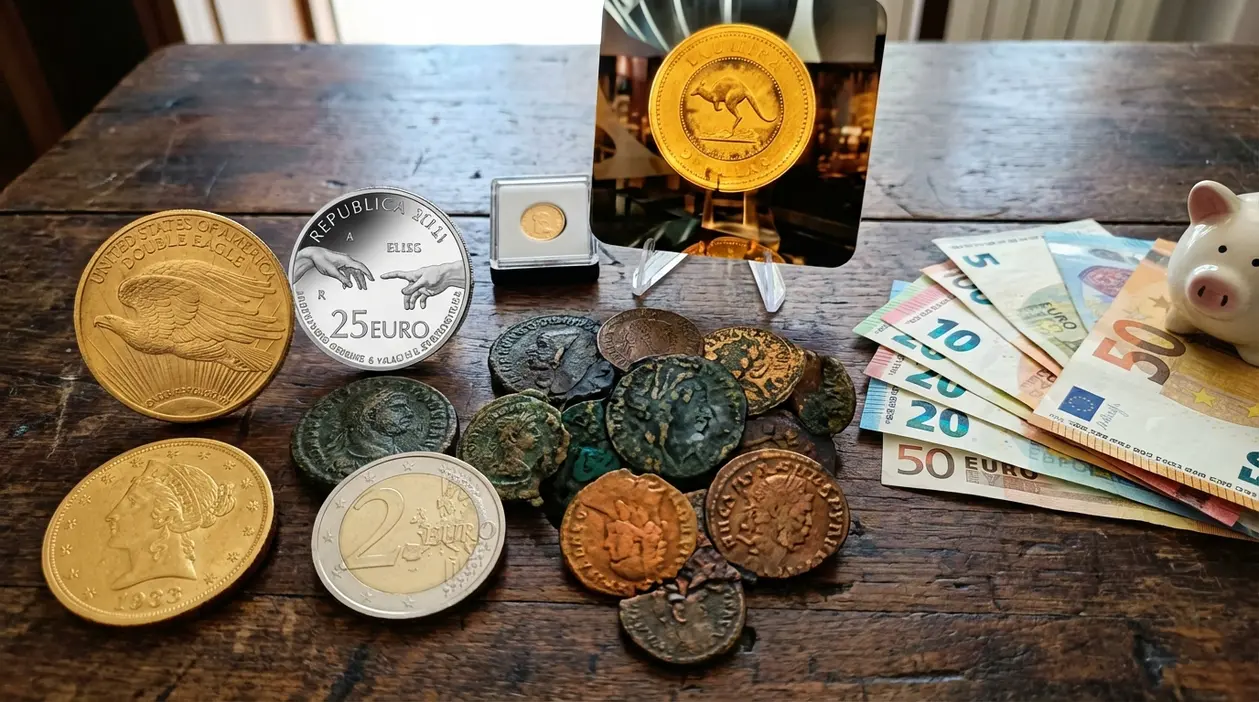
When checking a currency exchange before a trip or an online purchase, you might expect to see the dollar or euro at the top of the list. But increasingly, that’s not the case. Looking at the value of a single monetary unit, as of March 9, 2026, the strongest currency in the world is the Kuwaiti dinar (KWD), worth approximately 3.5384 US dollars per one unit. This surprising statistic highlights a crucial distinction in understanding currency strength: it’s not about global usage, but about the purchasing power of a single unit.
The Kuwaiti dinar’s position isn’t accidental. It’s a reflection of a robust economic structure built on stability and strategic resource management. While the US dollar and Euro remain dominant in international trade and finance, the KWD consistently outperforms them in terms of nominal value. This difference stems from the unique economic factors underpinning the Kuwaiti economy, and understanding these factors is key to grasping the dynamics of global currency markets.
What Does “Strongest Currency” Really Mean?
The term “strongest currency” often causes confusion. It doesn’t necessarily equate to the most widely used currency in global trade or the most important in international payments. Instead, it signifies that one unit of that currency can purchase more US dollars than any other currency. This is known as the nominal exchange rate. The KWD surpasses more familiar currencies simply because of its high value relative to the dollar. Currency market professionals consistently differentiate between the nominal strength of a currency and the global weight of its circulation.
Why Does the Kuwaiti Dinar Remain on Top?
The Kuwaiti dinar’s consistently high ranking is rooted in three primary factors. First, Kuwait benefits from substantial energy revenues, largely derived from its significant oil reserves. According to the U.S. Energy Information Administration, Kuwait holds approximately 6% of the world’s proven oil reserves. This provides a consistent and substantial inflow of capital. Second, the country maintains a prudently managed exchange rate, largely pegged to a weighted basket of currencies, minimizing exposure to sudden fluctuations. Finally, Kuwait possesses significant financial reserves and overall economic stability, bolstering confidence in its monetary system. This combination of factors creates a predictable and reliable currency, highly valued by investors and traders.
The Other Currencies at the Top
Following closely behind the Kuwaiti dinar are several other Gulf currencies. As of March 9, 2026, the exchange rates are approximately as follows: the Bahraini dinar (BHD) is valued at around 2.65 USD; the Omani rial (OMR) at approximately 2.60 USD; and the Jordanian dinar (JOD) at roughly 1.41 USD. The British pound (GBP) also features prominently, trading at around 1.34 USD. It’s noteworthy that the euro and the US dollar appear lower in this ranking, but this is entirely consistent with their role as central currencies for global exchange, rather than necessarily possessing the highest unit value.
Why This Ranking Matters
Understanding this distinction – between nominal value and global importance – is crucial for interpreting economic news, planning travel, making international money transfers, and evaluating investment opportunities. A common mistake is to assume that a “high-priced” currency is automatically the most influential. This isn’t always the case. The KWD’s strength, for example, doesn’t translate to it being the most used currency in international transactions; that title remains firmly with the US dollar.
For those involved in international finance, the nominal exchange rate is a critical metric for assessing short-term trading opportunities and managing currency risk. For travelers, it impacts the cost of goods and services when visiting Kuwait or exchanging currency. For investors, it influences the potential returns on investments denominated in Kuwaiti dinars.
The Euro and the US Dollar: Still Global Leaders
Despite not topping the list of strongest currencies by unit value, the Euro and the US dollar remain the dominant forces in global finance. The Eurozone, comprising 20 European Union member states, represents a significant economic bloc, and the Euro is the official currency of this region. The US dollar, backed by the world’s largest economy, continues to be the primary reserve currency held by central banks worldwide. According to data from the International Monetary Fund (IMF), as of Q4 2025, the US dollar accounted for approximately 59.1% of global foreign exchange reserves. This widespread use solidifies its position as the leading currency for international trade and investment.
Factors Influencing Currency Strength
Several factors contribute to a currency’s strength. These include a country’s economic growth rate, inflation levels, interest rates, political stability, and current account balance. A strong economy typically attracts foreign investment, increasing demand for the country’s currency and driving up its value. Low inflation and stable interest rates also contribute to currency strength, as they signal a healthy and predictable economic environment. Political stability is equally important, as it reduces risk and encourages investment. Finally, a current account surplus – where a country exports more than it imports – can also boost a currency’s value.
Looking Ahead: What to Expect
The Kuwaiti dinar is expected to remain strong as long as oil prices remain stable and Kuwait maintains its prudent economic policies. Though, fluctuations in global oil markets could impact its value. Similarly, geopolitical events in the Middle East could also introduce volatility. The strength of the US dollar is closely tied to the performance of the US economy and the Federal Reserve’s monetary policy. Changes in interest rates or economic growth could significantly impact the dollar’s value. The Euro’s strength is influenced by the economic health of the Eurozone and the European Central Bank’s policies.
Monitoring these factors is crucial for anyone involved in international finance or trade. Staying informed about global economic trends and currency movements can assist mitigate risk and capitalize on opportunities.
Key Takeaways
- The Kuwaiti dinar (KWD) is currently the strongest currency in the world based on nominal value, trading at approximately 3.5384 USD as of March 9, 2026.
- Currency strength, as measured by nominal value, differs from a currency’s global importance in trade and finance.
- The KWD’s strength is underpinned by Kuwait’s substantial oil revenues, prudent exchange rate management, and strong financial reserves.
- The US dollar and Euro remain dominant in global trade despite not having the highest unit value.
- Understanding the factors influencing currency strength is crucial for informed financial decision-making.
The global currency landscape is constantly evolving. Investors and businesses must remain vigilant and adapt to changing conditions. The next key data release to watch will be the Kuwait Central Bank’s monetary policy statement scheduled for April 15, 2026, which will provide further insights into the country’s economic outlook and currency policy. We encourage our readers to share their thoughts and experiences with currency exchange in the comments below.
Related reading