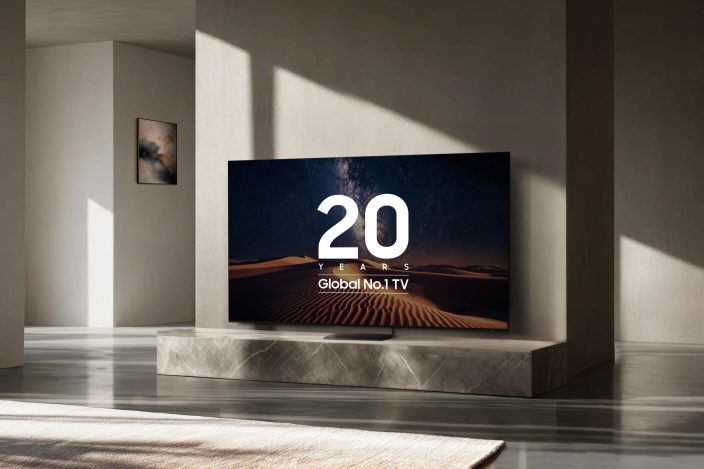
For two decades, Samsung has consistently held the title of the world’s leading television manufacturer, a remarkable run that continues into 2026. The South Korean tech giant announced today that it has maintained the top spot in global TV sales for the 20th consecutive year, a testament to its ongoing innovation and consumer trust. According to market research firm Omdia, Samsung captured a 29.1% share of the global television market in 2025, solidifying its dominance in the premium, ultra-large, and cutting-edge display technology sectors. This achievement underscores the company’s commitment to pushing the boundaries of visual technology and delivering high-quality viewing experiences.
The longevity of Samsung’s leadership isn’t accidental. It’s built on a consistent strategy of technological advancement, design innovation, and a keen understanding of evolving consumer preferences. From pioneering LED technology to embracing smart TV functionality and pushing the boundaries of screen size and resolution, Samsung has consistently set industry benchmarks. This sustained success in the fiercely competitive television market highlights the brand’s ability to adapt and innovate, consistently offering products that resonate with consumers worldwide. The company’s focus on premium displays, particularly those exceeding $2,500, has been a key driver of its market share, with a commanding 54.3% in that segment.
“When consumers choose a television, they choose a brand they can trust for years to reach,” stated SW Yong, President and Head of the Visual Display Business at Samsung Electronics. “Our 20-year leadership in the global TV market reflects that trust, built on decades of engineering excellence and groundbreaking innovation.” This statement encapsulates Samsung’s core philosophy: delivering not just a product, but a reliable and immersive entertainment experience. The company’s commitment to quality and innovation has clearly resonated with consumers, fostering brand loyalty and driving continued market success.
A Two-Decade Journey of Innovation
Samsung’s ascent to the top began in 2006 with the introduction of the Bordeaux television, a design-forward model that signaled a new era for the company. This marked a turning point, initiating a period of relentless innovation that has reshaped the television landscape. Since then, Samsung has consistently introduced groundbreaking technologies and designs, setting new standards for the industry.
The company accelerated the global transition to LED televisions in 2009, establishing new benchmarks for slimmer profiles and energy efficiency. Samsung’s commitment to LED technology paved the way for brighter, more vibrant displays whereas reducing energy consumption. In 2011, the introduction of smart TVs transformed televisions into connected entertainment hubs, expanding their functionality beyond traditional viewing. This move anticipated the growing demand for streaming services and interactive content.
Further demonstrating its design prowess, Samsung launched The Serif in 2015, a television designed to seamlessly integrate into living spaces. The Serif’s unique aesthetic positioned the television as a design object, rather than simply a piece of technology. Two years later, in 2017, Samsung unveiled The Frame, a revolutionary television that transforms into a work of art when not in apply.
This innovative product blurred the lines between technology and art, appealing to consumers seeking both functionality and aesthetic appeal.
Samsung’s commitment to image quality continued with the introduction of QLED televisions in 2017, powered by quantum dot technology. QLED technology delivers enhanced color accuracy, brightness, and contrast, providing a more immersive viewing experience. In 2018, the company pushed the boundaries of resolution with the launch of 8K televisions, offering over 33 million pixels – four times the resolution of 4K. This leap in resolution promised unparalleled clarity and detail. Then, in 2020, Samsung unveiled MICRO LED technology, a significant advancement in self-emissive display technology, setting new standards for brightness, contrast, and color precision on ultra-large screens.
Strengthening Leadership in Premium and Next-Generation TVs
Building on its legacy of innovation, Samsung is continuing to evolve its portfolio of premium televisions with expanded Micro RGB models, advancing its next-generation display technologies, and reinforcing its leadership in high-performance screens. The company is also refining its OLED and Neo QLED lines, delivering superior picture quality, ultra-large screen options, and differentiated viewing performance. This ongoing investment in research and development ensures that Samsung remains at the forefront of display technology.
Samsung is also expanding its Mini LED offerings, providing greater brightness, contrast, and precision control across a wider range of screen sizes and price points. This allows the company to extend its advanced display performance throughout its entire product line. Simultaneously, continued investment in AI-powered televisions integrates advanced processors and intelligent features that optimize image, sound, and personalization in real-time. This integration of artificial intelligence enhances the viewing experience, tailoring it to individual preferences.
The company’s dominance in the premium segment is particularly noteworthy. Samsung leads the market for televisions priced above $2,500, holding a 54.3% market share, driven by its Neo QLED, OLED, and Lifestyle TVs. It also maintains a strong position in the segment above $1,500, with a 52.2% market share. This demonstrates Samsung’s ability to cater to discerning consumers who demand the highest levels of performance and design. The focus on these premium segments allows Samsung to maintain healthy profit margins and invest further in research and development.
Looking Ahead: Micro RGB and Beyond
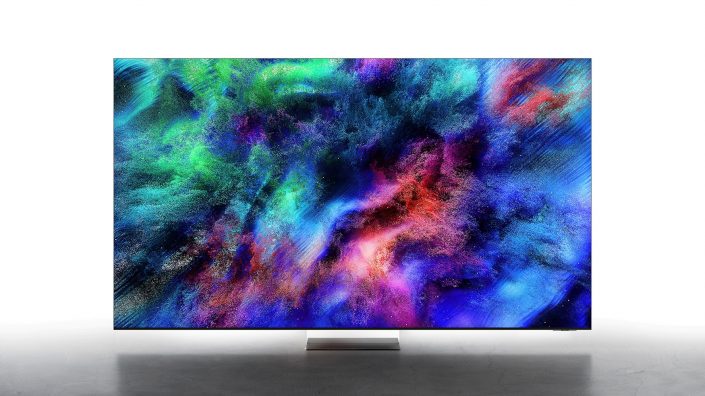
Samsung’s commitment to innovation extends beyond its existing product lines. The company is actively developing and refining Micro RGB technology, which promises even greater brightness, contrast, and color accuracy than current display technologies. This technology represents the next frontier in display innovation, offering the potential for truly immersive and lifelike viewing experiences. The expansion of its Micro RGB lineup for 2026 signals Samsung’s commitment to bringing this cutting-edge technology to a wider audience.
The television market is constantly evolving, with new technologies and consumer preferences emerging all the time. Samsung’s ability to anticipate these changes and adapt its strategy has been key to its sustained success. The company’s focus on premium displays, AI integration, and innovative designs positions it well to maintain its leadership position in the years to come. As consumers increasingly demand higher quality viewing experiences and more immersive entertainment options, Samsung is poised to deliver.
With two decades of proven global leadership, Samsung remains one of the most recognized and trusted television brands worldwide, offering industry-leading technology across multiple price points, screen sizes, and display innovations. The company’s continued investment in research and development, coupled with its commitment to design and quality, ensures that it will remain a dominant force in the television market for years to come.
Samsung’s next steps will likely involve further refinement of its Micro RGB technology and continued expansion of its AI-powered features. The company is also expected to continue pushing the boundaries of screen size and resolution, offering consumers ever more immersive viewing experiences. The ongoing competition in the television market will undoubtedly drive further innovation, benefiting consumers worldwide. Keep an eye on Samsung’s official newsroom for updates on its latest product launches and technological advancements: Samsung TVs.
What are your thoughts on Samsung’s continued dominance in the TV market? Share your comments below, and don’t forget to share this article with your friends and family!
Related reading