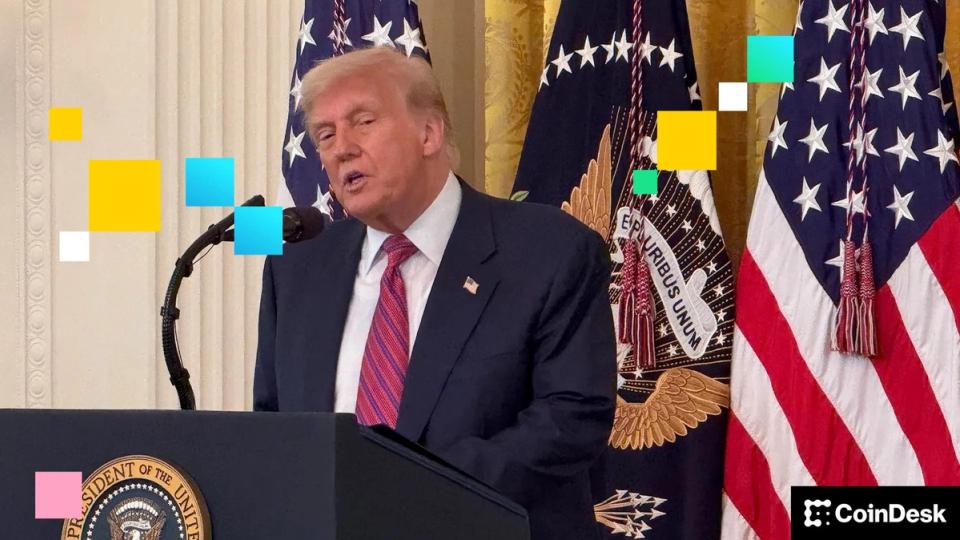
Global markets experienced a volatile Monday as comments from former U.S. President Donald Trump regarding the situation with Iran sparked significant shifts in oil prices, stock futures, and cryptocurrency values. The initial surge in oil prices following heightened tensions over the weekend reversed course after Trump indicated that military action against Iran was “very advanced” and potentially nearing a conclusion. This unexpected development sent ripples through financial markets, offering a temporary reprieve from fears of a wider conflict in the Middle East.
The situation unfolded rapidly, with oil prices initially climbing as high as $120 per barrel on Sunday evening, a 30% increase, fueled by concerns over potential disruptions to supply. Though, Trump’s statements, made late Monday afternoon, suggested a quicker resolution than previously anticipated. He is scheduled to provide further updates on the situation at 5:30 PM ET. The swift change in outlook triggered a broad market rally, with both cryptocurrency and stock markets amplifying gains in response to the news. This complex interplay of geopolitical events and market reactions underscores the sensitivity of global finance to developments in the Middle East.
Trump’s Comments and Market Response
According to reports, Trump stated that the action against Iran was “very advanced” compared to the initial timeframe of four to five weeks. This assessment, relayed in comments on Monday, immediately impacted market sentiment. The Nasdaq Composite closed with a gain of 1.25%, while the S&P 500 rose by 0.8%. The Dow Jones Industrial Average as well saw positive movement, though the extent of the gains varied throughout the trading day. These gains reflect investor relief at the prospect of a de-escalation of tensions, although uncertainty remains high.
The cryptocurrency market also reacted positively to the news. Bitcoin, the leading cryptocurrency, briefly surpassed $69,000, representing a 2.4% increase in the last 24 hours. Other crypto-related stocks followed suit, with Circle (CRCL) experiencing a 10% increase, and Strategy (MSTR) and Coinbase (COIN) rising by 5% and 2%, respectively. This demonstrates the growing correlation between geopolitical events and the performance of digital assets, as investors often view cryptocurrencies as a safe haven during times of uncertainty. Fortune reported on the overall market reaction to the shifting geopolitical landscape.
Oil Price Volatility and Global Impact
The dramatic fluctuations in oil prices highlight the vulnerability of global energy markets to geopolitical instability. The initial spike to $120 per barrel raised concerns about potential inflationary pressures and economic slowdowns. However, the subsequent collapse to $85 per barrel, a 6% decline for the day, offered some relief. West Texas Intermediate (WTI) crude oil experienced the most significant drop, reflecting the market’s reassessment of the immediate threat to oil supplies. Investor’s Business Daily detailed how Trump’s comments triggered a reversal in oil prices and stock market trends.
The volatility in oil prices has far-reaching consequences for economies worldwide. Higher oil prices contribute to increased transportation costs, manufacturing expenses, and consumer prices, potentially leading to inflation and reduced economic growth. Conversely, lower oil prices can benefit consumers and businesses but may also negatively impact oil-producing nations. The current situation underscores the importance of diversifying energy sources and reducing reliance on politically sensitive regions.
U.S. Efforts to Stabilize Energy Markets
The U.S. Government has been actively working to calm energy markets amid the escalating tensions. According to Bloomberg.com, President Trump has demanded that Iran relent, signaling a willingness to engage in diplomatic efforts to de-escalate the conflict. The administration’s goal is to prevent further disruptions to global oil supplies and maintain stability in energy markets. However, the effectiveness of these efforts remains uncertain, as the situation is highly fluid and dependent on Iran’s response.
The U.S. Energy Information Administration (EIA) provides regular updates on oil market conditions and forecasts. According to the EIA, global oil demand is expected to continue growing in the coming years, driven by economic growth in developing countries. However, the EIA also notes that geopolitical risks remain a significant factor influencing oil prices. The agency’s reports offer valuable insights into the complex dynamics of the global energy market.
Looking Ahead: Uncertainty and Potential Scenarios
Despite the initial positive market reaction to Trump’s comments, significant uncertainty remains regarding the future of the situation with Iran. The potential for miscalculation or escalation remains high, and the possibility of further military action cannot be ruled out. The coming days and weeks will be critical in determining whether a diplomatic solution can be reached or whether the conflict will escalate further. Investors and policymakers will be closely monitoring developments in the region and assessing the potential impact on global markets.
Several scenarios are possible. A diplomatic resolution could lead to a de-escalation of tensions and a stabilization of oil prices. However, if negotiations fail, the conflict could escalate, potentially leading to a wider regional war. Such a scenario would likely have severe consequences for global energy markets, economic growth, and international security. The outcome will depend on a complex interplay of political, economic, and military factors.
Key Takeaways
- Donald Trump’s comments regarding the situation with Iran led to a significant shift in market sentiment.
- Oil prices experienced dramatic volatility, initially spiking before falling sharply.
- Cryptocurrency markets and stock futures responded positively to the news, with Bitcoin briefly surpassing $69,000.
- The U.S. Government is actively working to calm energy markets and prevent further disruptions to oil supplies.
- Significant uncertainty remains regarding the future of the situation with Iran, and the potential for escalation remains high.
The next key event to watch will be President Trump’s scheduled update at 5:30 PM ET, where he is expected to provide further details on the situation and the administration’s plans. Stay informed and continue to monitor developments as they unfold. We encourage readers to share their thoughts and perspectives in the comments section below.
Related reading