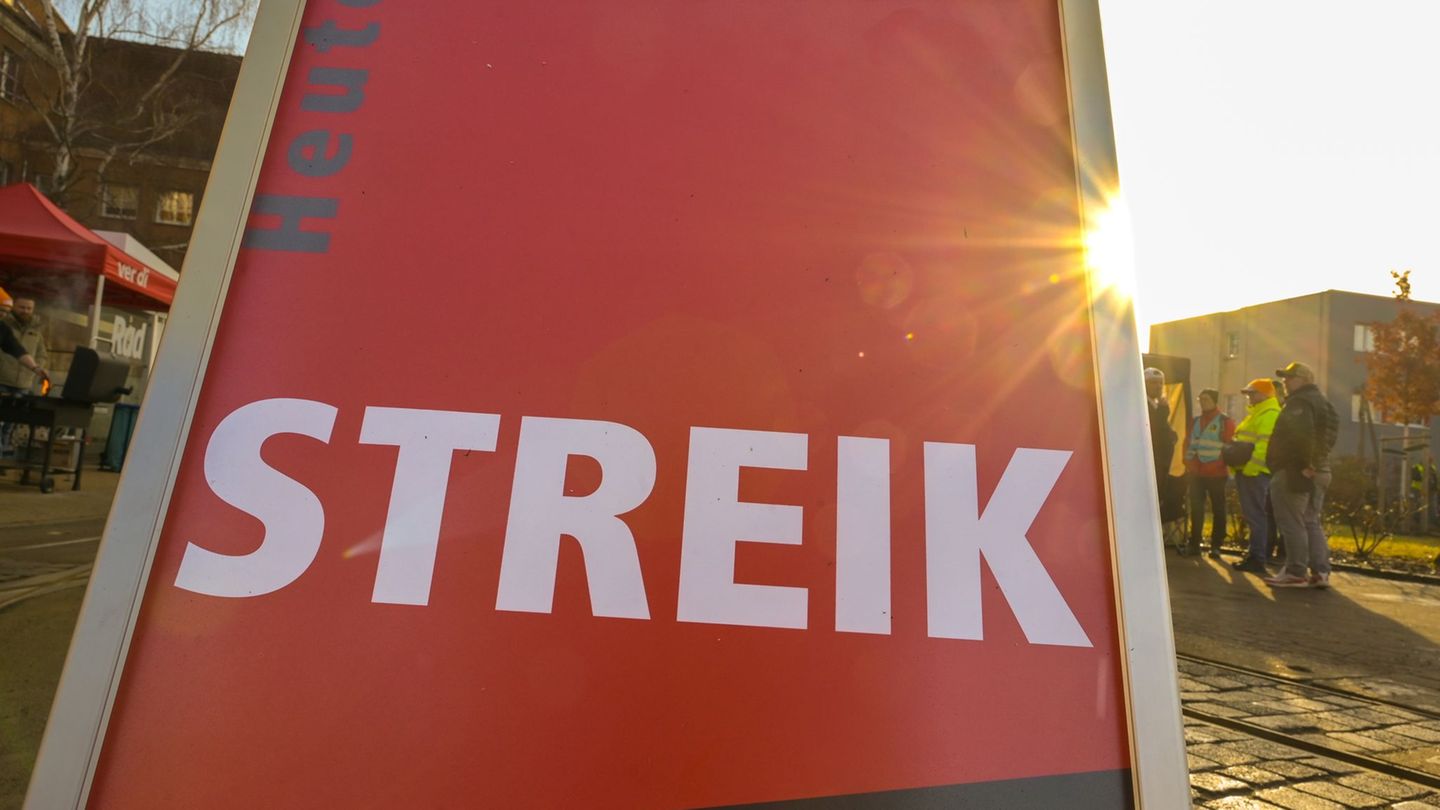
Sachsen Braces for Two Weeks of Public Transport Disruptions as Verdi Union Launches Strike Action
Commuters in Saxony, Germany, are facing significant disruptions to public transport as the Verdi union initiates a series of warning strikes across the region. The industrial action, beginning Tuesday, March 10, 2026, is focused on regional bus services in the Sächsische Schweiz-Osterzgebirge district and is set to escalate over the next two weeks, impacting multiple counties and cities. The core of the dispute lies in stalled negotiations regarding pay and working conditions for employees of the AVN-Gruppe Sachsen, a collective of regional transport operators.
The initial strike, commencing at 3:00 AM on Tuesday, will largely paralyze bus services within the Sächsische Schweiz-Osterzgebirge district, affecting both regional and local routes, as well as ferry services and the Kirnitzschtalbahn railway. According to the Regionalverkehr Sächsische Schweiz-Osterzgebirge GmbH (RSVOE), only buses operated by private subcontractors will remain in service. The impact is expected to extend to Dresden, with some lines operated by RSVOE experiencing partial cancellations. Specifically, line 88 (Kleinzschachwitz – Prohlis – Goppeln) will see half of its scheduled services cancelled, even as line 86 (Heidenau – Kreischa) will operate with only five out of seven buses. Line 83 (Pillnitz – Graupa – Bonnewitz) is as well expected to experience disruptions.
This wave of strikes isn’t a one-off event. Verdi has planned a phased rollout of industrial action across Saxony, aiming to pressure employers to return to the negotiating table. The union is seeking improvements in pay and working conditions for public transport workers, arguing that current offers fail to adequately address the rising cost of living and the demands of the job. The third round of negotiations, held on March 4th, reportedly ended without a breakthrough, prompting Verdi to escalate its tactics.
Strike to Impact School and Commuter Services
The disruption extends beyond regular bus routes. School transport, sports buses, and shuttle services for the S1, S3, RB71, and RB72 train lines will also be affected by the strike. However, regional trains and S-Bahn services are expected to operate as normal, as Deutsche Bahn is not currently involved in the industrial action. Lines operated by the Dresdner Verkehrsbetriebe or by subcontractors are also expected to remain unaffected. This selective approach by Verdi aims to maximize pressure on the AVN-Gruppe Sachsen while minimizing disruption to essential rail services.
Expansion of Strike Action Across Saxony
Following the initial action in Sächsische Schweiz-Osterzgebirge, Verdi has scheduled a warning strike in Zwickau for Tuesday. Further actions are planned throughout the week in the Erzgebirgskreis, Landkreis Meißen, and Chemnitz. The following week will see strikes extended to the counties of Mittelsachsen, Zwickau, Görlitz, and Bautzen, as well as the cities of Chemnitz, Dresden, and Görlitz. Verdi has stated that it will provide at least 48 hours’ notice before announcing the specific dates and times of these additional strikes. This phased approach is designed to maintain pressure on employers while allowing commuters some degree of advance warning.
Background to the Dispute: Stalled Tariff Negotiations
The strikes are a direct result of stalled tariff negotiations for the AVN-Gruppe Sachsen, which encompasses several regional transport companies including Regionalverkehr Westsachsen (Zwickau), ETP Chemnitz, Regionalverkehr Erzgebirge, Regiobus Mittelsachsen, Verkehrsgesellschaft Meißen, DVS Dresden, Regionalverkehr Sächsische Schweiz-Osterzgebirge, Verkehrsgesellschaft Hoyerswerda, and Regionalbus. Verdi is representing the employees of these companies in the negotiations. The union argues that the current offers do not reflect the essential role public transport workers play in keeping Saxony moving, nor do they adequately compensate them for the increasing financial burdens they face.
The AVN-Gruppe Sachsen has not yet publicly responded to the strike action, but it is expected to release a statement outlining its position and potentially proposing a resumption of negotiations. The outcome of these negotiations will have significant implications for the future of public transport in Saxony, potentially setting a precedent for similar disputes in other regions of Germany.
Impact on Commuters and Regional Travel
The two-week period of planned strikes is likely to cause significant inconvenience for commuters, students, and tourists relying on public transport in Saxony. Passengers are advised to check the websites of their local transport operators for the latest updates on service disruptions and to consider alternative travel arrangements where possible. The RSVOE website (https://www.rvsoe.de/aktuell/aktuell/warnstreik-am-10-maerz-2026) is providing real-time information on affected routes and services. The situation is fluid, and further disruptions may occur as the strike action progresses.
The disruption also comes at a time when many regions are still recovering from the economic impacts of recent global events, adding another layer of complexity to the situation. The long-term consequences of the strikes will depend on the outcome of the negotiations and the willingness of both sides to compromise.
As the strike action unfolds, commuters and residents of Saxony are bracing for a challenging period of travel disruption. The next key date to watch is the planned strike in Zwickau on Tuesday, which will provide an early indication of the effectiveness of Verdi’s tactics and the willingness of the AVN-Gruppe Sachsen to engage in meaningful negotiations. Stay tuned to World Today Journal for further updates on this developing story.
Have your say: What impact will these strikes have on your daily commute? Share your thoughts and experiences in the comments below.
Keep reading