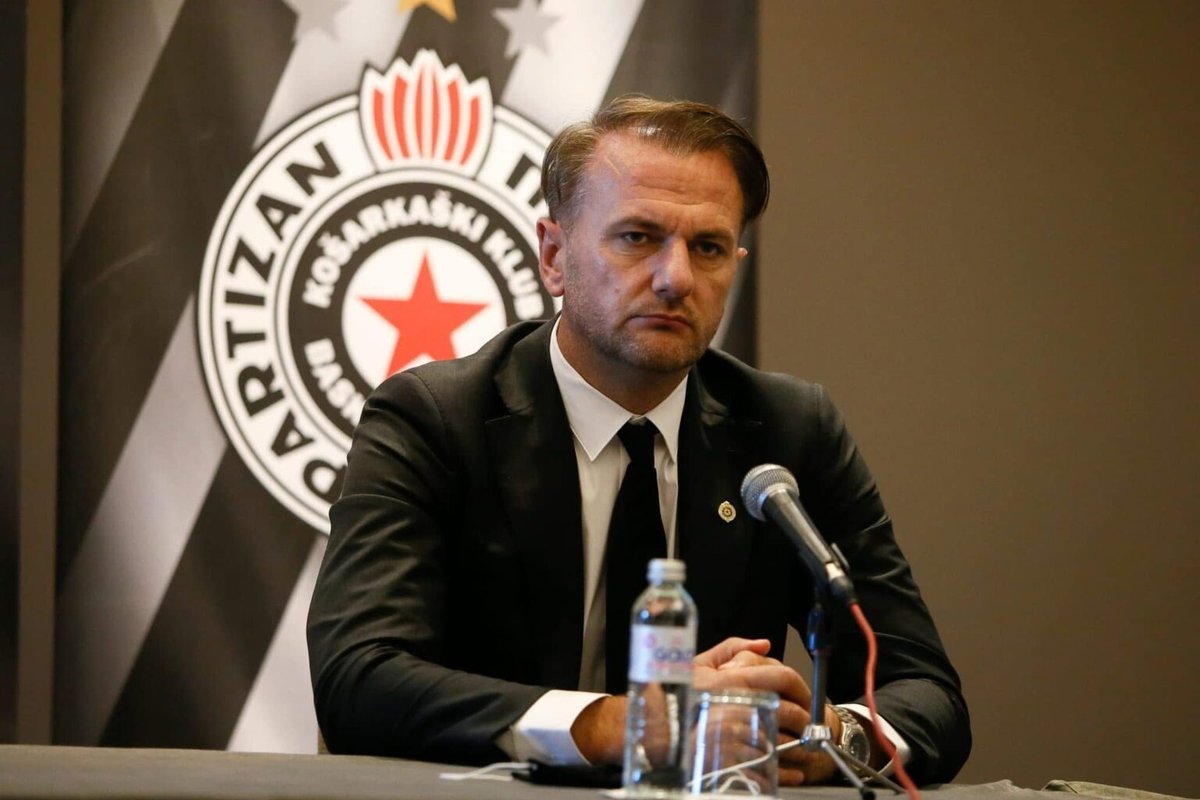
The delicate balance of international sports continues to be tested as discussions resurface regarding the potential return of Russian basketball clubs to the EuroLeague. While the conflict in Ukraine continues to cast a long shadow, calls for a reassessment of the ban on Russian teams are gaining traction, fueled by economic considerations and a desire for a fully competitive league. The debate highlights the complex intersection of politics, sport, and financial realities, particularly within the context of the EuroLeague’s operational challenges and the impact on teams facing displacement due to ongoing geopolitical instability.
Oleg Mijailović, a prominent figure in Serbian basketball, recently voiced his opinion that the EuroLeague is overlooking the financial impact of excluding Russian teams, specifically mentioning CSKA Moscow. He argues that the league needs to consider the economic contributions of the Russian market and the competitive strength of clubs like CSKA. This sentiment is echoed by the current EuroLeague CEO, Jordi Bertomeu, who expressed a desire to see Russian teams return once the situation stabilizes. The situation is further complicated by the fact that several teams, including Maccabi Tel Aviv and Hapoel, are currently unable to host home games due to regional conflicts, adding to the logistical and financial strain on the league.
The Economic Argument for Russian Teams’ Return
Mijailović’s comments, reported by Meridian Sport, underscore a key concern for EuroLeague stakeholders: the financial implications of excluding a significant market. Russia represents a substantial fan base and potential revenue stream for the league. CSKA Moscow, in particular, is a historically successful and well-supported club, and its absence is felt both on and off the court. The argument isn’t simply about money, however; it’s about maintaining a level playing field and ensuring the league’s overall competitiveness. The loss of Russian teams has created a void that, according to Mijailović, impacts the league’s overall quality. He likened the situation to navigating a large ship, suggesting that abrupt changes can destabilize the entire structure.
The current CEO, Chus Bueno, who succeeded Paulius Motiejūnas, appears to share a similar view. Bueno openly expressed his admiration for CSKA Moscow and indicated a willingness to welcome the team back into the league once conditions allow. Maccabi Rapyd Tel Aviv, a team currently impacted by regional instability, exemplifies the challenges facing the EuroLeague. According to Wikipedia, Maccabi Tel Aviv Basketball Club was founded in 1932 and plays in both the Israeli Premier League and the EuroLeague. The club’s current arena, Menora Mivtachim Arena, has a capacity of 10,383. The team’s ownership structure includes David Federman (29%), Oudi Recanati (29%), Richard Deitz (17.5%), Shimon Mizrahi (14.5%), and Ben Ashkenazy (10%).
The Political Context and Previous Responses
The initial decision to suspend Russian clubs from the EuroLeague followed the invasion of Ukraine and was largely driven by political pressure. Paulius Motiejūnas, the former EuroLeague CEO, took a strong stance against Russian participation, even threatening to suspend Kauno Žalgiris from playing against Russian teams if the league did not take action. This demonstrates the intense scrutiny and ethical considerations that shaped the league’s response to the conflict. The situation highlights the difficulty of separating sports from geopolitical realities, particularly when dealing with state-sponsored teams or those with close ties to governments involved in international conflicts.
However, the long-term sustainability of this exclusion is now being questioned. The financial strain on the league, coupled with the desire to restore a sense of normalcy, is prompting a reevaluation of the policy. The situation is further complicated by the fact that other teams, such as Hapoel, are also facing challenges related to regional conflicts, creating a disparity in the league’s operational environment. The league must balance its commitment to ethical principles with the practical realities of maintaining a financially viable and competitive product.
Impact on Displaced Teams and League Stability
The ongoing conflicts in both Ukraine and the Middle East have created significant challenges for several EuroLeague teams. Maccabi Tel Aviv and Hapoel are currently unable to host home games, forcing them to play in neutral venues. This not only impacts their financial stability but also deprives their fans of the opportunity to experience home-court advantage. Mijailović rightly points out that the league must consider the needs of these clubs and find ways to mitigate the negative consequences of displacement. The league’s ability to support these teams will be crucial in maintaining its overall stability and competitiveness.
The situation also raises questions about the fairness of the competition. Teams that are forced to play all their games on the road face a significant disadvantage, both physically and psychologically. The EuroLeague must address this imbalance to ensure that all teams have a fair opportunity to compete for the championship. Finding a solution that balances the need for security with the desire for a level playing field will be a key challenge for the league in the coming months.
The Case of Alex Tyus and Maccabi Tel Aviv
Recent roster changes within Maccabi Tel Aviv further illustrate the challenges facing the club. According to reports from Krepsinis.net, Maccabi Tel Aviv released center Alex Tyus. This move highlights the team’s ongoing efforts to adjust its roster in response to the evolving geopolitical situation and the need to maintain a competitive edge. The release of Tyus suggests a strategic shift within the team, potentially influenced by the uncertainties surrounding home-court advantage and the overall stability of the league.
The situation with Maccabi Tel Aviv, and other teams affected by regional conflicts, underscores the need for the EuroLeague to develop a comprehensive plan for addressing the challenges posed by geopolitical instability. This plan should include financial support for displaced teams, measures to ensure a level playing field, and a clear framework for addressing future crises. The league’s long-term success will depend on its ability to navigate these challenges effectively.
The debate surrounding the potential return of Russian teams to the EuroLeague is likely to continue for some time. The league faces a hard balancing act between political considerations, economic realities, and the need to maintain a competitive and stable product. The next steps will likely depend on the evolution of the conflict in Ukraine and the broader geopolitical landscape. The EuroLeague’s leadership will need to carefully weigh all these factors as they consider the future of the league.
As the situation evolves, the EuroLeague will undoubtedly continue to assess the feasibility of reintegrating Russian clubs, while simultaneously addressing the ongoing challenges faced by teams impacted by regional conflicts. The league’s ability to navigate these complexities will be crucial in maintaining its position as one of the premier basketball leagues in the world.
Key Takeaways:
- The potential return of Russian teams to the EuroLeague is driven by economic considerations and a desire for a fully competitive league.
- The ongoing conflicts in Ukraine and the Middle East have created significant challenges for several EuroLeague teams, particularly Maccabi Tel Aviv and Hapoel.
- The EuroLeague must balance its commitment to ethical principles with the practical realities of maintaining a financially viable and competitive product.
- The league’s long-term success will depend on its ability to address the challenges posed by geopolitical instability.
The EuroLeague’s next steps will be closely watched by fans, players, and stakeholders across the continent. Stay tuned for further updates as the situation develops. We encourage you to share your thoughts on this complex issue in the comments below.
Worth a look