Brescia-Based Researcher Receives Over €1 Million to Pioneer Novel Approach to Glioblastoma Treatment
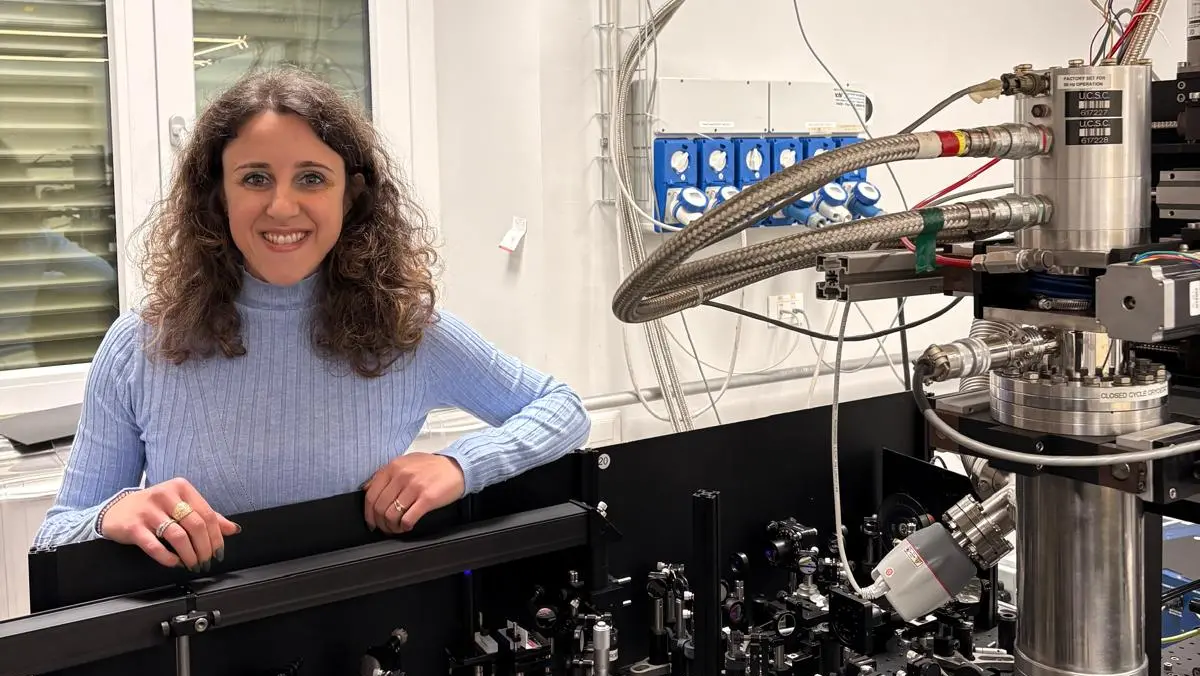
The fight against glioblastoma, one of the most aggressive and challenging forms of brain cancer, is receiving a significant boost thanks to a young Italian researcher. Giada Bianchetti, based at the University Catholic of the Sacred Heart in Brescia, has been awarded over €1.1 million from the Italian Scientific Foundation (Fondo Italiano per la Scienza) to lead a five-year project exploring innovative ways to understand and combat this devastating disease. This funding will not only support cutting-edge research but also the formation of a dedicated research team, offering doctoral fellowships and collaborative opportunities. The project represents a convergence of physics, bioengineering, and oncology, aiming to unravel the complex interactions between tumor cells and their surrounding environment.
Glioblastoma remains a formidable challenge in oncology, characterized by its rapid progression, resistance to conventional treatments, and poor prognosis. Currently, the five-year survival rate for patients diagnosed with glioblastoma is tragically low, hovering around 5%. Bianchetti’s research seeks to address this critical need by developing a more nuanced understanding of the disease’s mechanisms, potentially paving the way for more effective and personalized therapies. The innovative approach combines advanced 3D modeling with the principles of quantum physics, offering a unique perspective on tumor behavior.
Bianchetti’s interdisciplinary background – encompassing physics, neuroscience, and medicine – positions her uniquely to lead this ambitious project. After completing her physics studies at the Catholic University of Brescia, she pursued doctoral research in neuroscience and specialized at the Policlinico Gemelli in Rome, focusing on neuroimaging and establishing herself as a biophysicist bridging fundamental science and clinical medicine. Her return to Brescia signifies a commitment to building a new, collaborative research hub within the region.
Unveiling the Tumor Microenvironment with 3D Modeling and Quantum Techniques
The core of Bianchetti’s research lies in creating a three-dimensional model of glioblastoma that accurately replicates the tumor’s microenvironment. This isn’t simply about growing cancer cells in a dish. it’s about recreating the complex interplay between the tumor and the surrounding tissues, including the rigidity of the matrix and the pressures exerted by neighboring cells. Researchers believe that these physical factors significantly influence tumor behavior, impacting proliferation, invasiveness, and resistance to treatment. This process, known as mechanotransduction, allows cells to sense and respond to physical stimuli, altering gene expression and ultimately influencing their fate.
To achieve this, the team will employ bioprinting technology to construct these intricate 3D models. Cells will be embedded in a “bio-ink” alongside other components of the tissue, such as tumor-associated fibroblasts and endothelial cells that mimic the vascular system. This allows for precise control over factors like stiffness and pressure, enabling researchers to observe how cellular metabolism changes in response to alterations in the external environment. “When a tumor cell becomes more aggressive or prepares to proliferate, it changes how it produces energy and utilizes its resources,” Bianchetti explained. “Analyzing these changes allows us to intercept how the tumor is reacting to stimuli from the microenvironment.”
The research will also leverage the power of quantum light to develop new observation technologies. Researchers will study the natural fluorescence of molecules like NADH and FAD, which participate in energy production within mitochondria and change behavior depending on the cell’s metabolic state. The signal from these molecules is incredibly weak, but by utilizing advanced optical techniques and pairs of quantum-correlated photons, the team aims to enhance measurement sensitivity while minimizing the risk of damaging the cells and maintaining physiological conditions. This approach promises a more detailed and less invasive way to monitor cellular processes.
A Dual Innovation: Quantum Imaging and 3D Tumor Models
The project’s innovation is twofold: the development of new spectroscopic technologies based on quantum light and the creation of 3D biological models that accurately reproduce the tumor microenvironment. The ultimate goal is to understand how the physical properties of the environment influence tumor cell metabolism and to identify new therapeutic strategies for complex cancers like glioblastoma. However, the potential applications extend far beyond oncology. Quantum-enhanced optical imaging techniques could find use in a wide range of fields, from early disease diagnosis to rapid infection monitoring and quality control in high-precision industries.
The Italian Scientific Foundation’s funding represents a pivotal moment in Bianchetti’s career and will enable the establishment of a new interdisciplinary research group in Brescia. The Fondo Italiano per la Scienza was established to support high-impact projects and help young scientists launch independent research careers, as reported by Il Sole 24 Ore. This investment underscores Italy’s commitment to fostering innovation in biomedical research and tackling some of the most pressing health challenges of our time.