London, United Kingdom – Concerns are rising over potential disruptions to global energy supplies following reports alleging Iran began laying mines in the Strait of Hormuz. The claims, initially reported by CNN citing two unnamed sources, prompted a swift response from former U.S. President Donald Trump, who warned of severe consequences should Iran proceed. The situation underscores the ongoing geopolitical tensions in the region and the critical importance of the Strait of Hormuz to the world’s oil market.
The Strait of Hormuz, a narrow waterway connecting the Persian Gulf to the Gulf of Oman and the Arabian Sea, is one of the world’s most strategically important chokepoints for oil and gas. According to the U.S. Energy Information Administration, approximately 21% of the world’s total oil consumption passed through the Strait in 2023, making it a vital artery for global energy security. Disruptions to shipping through this crucial passage could have significant ramifications for oil prices and the global economy. The potential for increased volatility in energy markets is particularly acute given existing geopolitical instability and ongoing conflicts in the Middle East.
Trump’s Response and Potential Military Implications
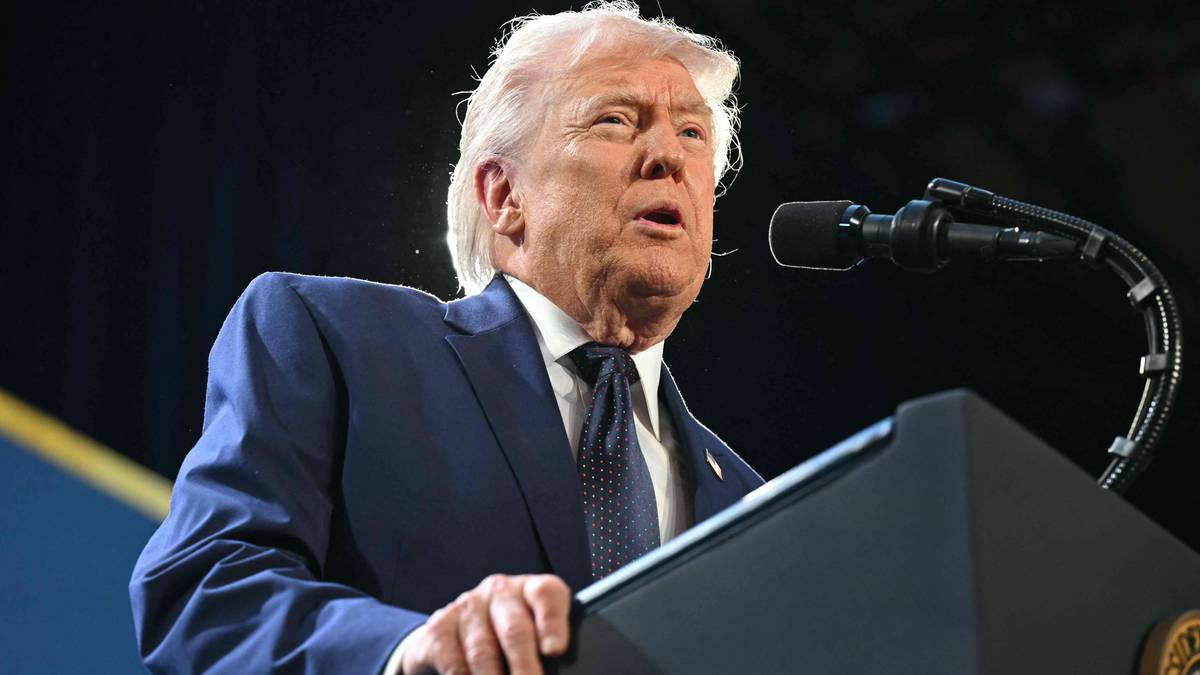
Donald Trump, responding via his Truth Social platform, stated he had “no reports” confirming Iran had laid mines, but cautioned that any such action would be met with a forceful response. He asserted that the military consequences would be “on a level like never before seen.” While the specific nature of any potential U.S. Response remains unclear, Trump’s statement signals a willingness to confront Iran if it attempts to impede shipping in the Strait. This rhetoric echoes past warnings from the U.S. Regarding Iran’s activities in the region and its commitment to maintaining freedom of navigation.
The U.S. Is reportedly considering military support for vulnerable oil supplies in the Strait of Hormuz, according to a report by Politico. This potential support could involve increased naval presence, enhanced monitoring of shipping lanes, and coordination with regional allies to ensure the safe passage of oil tankers. The Center for Strategic and International Studies (CSIS) has too highlighted the difficulty any nation, including China, would face in attempting to traverse the Strait if it were effectively blocked. CSIS analysts suggest that even a limited disruption could significantly impact global oil flows.
Oil Prices React to Rising Tensions
News of the alleged mining activity and Trump’s subsequent response immediately impacted oil and gas prices. The BBC reported that oil and gas prices fell following Trump’s statement, suggesting that markets interpreted his comments as a signal of potential de-escalation. Yet, the situation remains fluid, and prices could easily fluctuate based on further developments. The sensitivity of oil markets to geopolitical events underscores the interconnectedness of global energy security and international relations.
The price of Brent crude oil, a global benchmark, has been subject to considerable volatility in recent months, influenced by factors ranging from OPEC+ production decisions to geopolitical tensions in the Middle East and Ukraine. Any significant disruption to oil supplies from the Persian Gulf region would likely exacerbate these price pressures, potentially leading to higher energy costs for consumers and businesses worldwide. The International Energy Agency (IEA) closely monitors the situation in the Strait of Hormuz and regularly assesses the potential risks to global oil supplies.
Iran’s Motivations and Regional Context
While the reports of Iran laying mines remain unconfirmed by official sources, the alleged action could be interpreted as a signal of Iran’s willingness to escalate tensions in response to perceived threats. Iran has repeatedly expressed concerns about the U.S. Military presence in the region and has accused the U.S. And its allies of supporting Israel’s actions in Gaza. The current situation is further complicated by Iran’s nuclear program and ongoing negotiations with world powers to revive the 2015 nuclear deal.
The Strait of Hormuz has been a focal point of geopolitical tensions for decades. In 2019, Iran shot down a U.S. Drone near the Strait, further escalating tensions between the two countries. Iran has also threatened to close the Strait in the past, although it has never fully carried out such a threat. The potential for miscalculation or accidental escalation remains a significant concern, particularly given the presence of multiple naval forces in the region. The U.S. Navy’s Fifth Fleet, based in Bahrain, is responsible for maintaining security in the Persian Gulf and the Strait of Hormuz.
The Importance of Freedom of Navigation
The U.S. And its allies have consistently emphasized the importance of maintaining freedom of navigation through the Strait of Hormuz. This principle is enshrined in international law and is considered essential for ensuring the smooth flow of global trade. Any attempt to disrupt shipping through the Strait would be viewed as a violation of international law and could trigger a military response. The U.S. Has conducted numerous naval exercises in the region to demonstrate its commitment to protecting freedom of navigation.
Several countries, including the United Kingdom, France, and Australia, have also deployed naval assets to the region to support freedom of navigation and deter potential threats. These international efforts are aimed at maintaining stability in the Strait of Hormuz and ensuring the continued flow of oil and gas to global markets. The security of the Strait is a shared responsibility, and international cooperation is essential for addressing the challenges posed by geopolitical tensions and potential disruptions to shipping.
Looking Ahead
The situation surrounding the alleged mining of the Strait of Hormuz remains highly volatile. Further developments will depend on Iran’s actions and the response of the U.S. And its allies. The coming days and weeks will be critical in determining whether the situation escalates or de-escalates. The international community will be closely monitoring the situation and urging all parties to exercise restraint and avoid actions that could further destabilize the region.
The U.S. Department of Defense is expected to provide an update on the situation in the coming days. The IEA will also be closely monitoring oil market developments and assessing the potential impact of any disruptions to supplies. Investors and businesses should closely monitor these developments and prepare for potential volatility in energy markets. Continued diplomatic efforts will be crucial in preventing further escalation and ensuring the security of the Strait of Hormuz.
Key Takeaways:
- Reports suggest Iran may have begun laying mines in the Strait of Hormuz, a critical waterway for global oil supplies.
- Former U.S. President Donald Trump warned of severe consequences should Iran proceed with such actions.
- Oil and gas prices initially fell following Trump’s statement, but the situation remains fluid.
- The U.S. Is considering military support to protect vulnerable oil supplies in the region.
- Maintaining freedom of navigation through the Strait of Hormuz is a key priority for the U.S. And its allies.
Stay informed about this developing story. We will continue to provide updates as they become available. Share your thoughts and analysis in the comments below.
- Andy Burnham promises to end Labour infighting as he becomes party’s leader
- Automobile : SagaDrive lance une plateforme de mobilité augmentée par l’IA – La Vie éco
- Trump Reignites Election Fraud Debates with Prime-Time Speech (time.news)
- What Is a 'Blue Slip'? The Senate Custom Trump Wants Gone (daybreakwire.com)