Toxic Rain and Regional Displacement: Escalating Middle East Conflict Raises Environmental and Humanitarian Concerns
The ongoing conflict in the Middle East is extending beyond direct military engagements, triggering a cascade of humanitarian and environmental consequences. Recent strikes on oil depots in Tehran have prompted warnings from the United Nations regarding the dangers of “black rain” and “acidic rain,” raising serious health concerns for the Iranian population. Simultaneously, escalating violence is driving mass displacement across the region, with Lebanon experiencing a particularly acute crisis and a growing number of Afghans returning home amidst instability. The situation is further complicated by disruptions to global supply chains, threatening aid deliveries and exacerbating existing vulnerabilities.
The immediate aftermath of the attacks on Iranian oil facilities has focused on the potential for widespread environmental contamination. The release of toxic hydrocarbons, sulphur oxides, and nitrogen compounds into the atmosphere poses a significant threat to public health, prompting Iranian authorities to advise citizens to remain indoors. This incident, coupled with reported strikes on oil infrastructure in Bahrain and Saudi Arabia, underscores the potential for broader regional pollution and long-term health impacts, particularly affecting respiratory systems and water sources. The situation highlights the complex interplay between military actions and environmental consequences, demanding a thorough assessment of adherence to international humanitarian law.
Environmental Hazards and Health Risks in Iran
The United Nations has voiced serious concerns regarding the proportionality and precaution obligations under international humanitarian law in relation to the attacks on oil depots in Tehran. According to UN Human Rights office spokesperson Ravina Shamdasani, the sites targeted “do not appear to be of military exclusive usage,” raising questions about the justification for the strikes. The UN’s concerns center on the potential for civilian harm and environmental damage resulting from attacks on infrastructure with dual-use capabilities.
The World Health Organization (WHO) has issued a stark warning about the dangers posed by the “black rain” and “acidic rain” falling in Tehran. WHO spokesperson Christian Lindmeier stated that the situation “is indeed a danger” for Iranians, and the agency is actively monitoring the health risks associated with the release of toxic substances. The WHO is coordinating with Iranian hospitals and authorities to assess the extent of the health impacts and provide assistance.
Regional Displacement and Humanitarian Crisis
Beyond the immediate environmental concerns, the escalating conflict is fueling a significant humanitarian crisis, particularly in Lebanon. More than 100,000 people have been displaced in the past 24 hours, bringing the total number of uprooted individuals to nearly 700,000. The UN Refugee Agency (UNHCR) reports that the pace of displacement is faster than during the 2024 conflict with Israel. Karolina Lindholm Billing, the UNHCR representative in Lebanon, described scenes of families fleeing with minimal possessions, seeking refuge in Beirut, Mount Lebanon, and the Bekaa region. The UNHCR is providing assistance to those displaced, but the scale of the crisis is straining resources.
The stories of individual displacement highlight the profound human cost of the conflict. UNHCR officials have encountered individuals, like a woman in her nineties, who have been displaced multiple times, reliving the trauma of previous conflicts. This repeated displacement underscores the vulnerability of populations caught in protracted crises and the urgent need for durable solutions. The ongoing conflict is not only creating new displacement but also exacerbating existing vulnerabilities within already fragile communities.
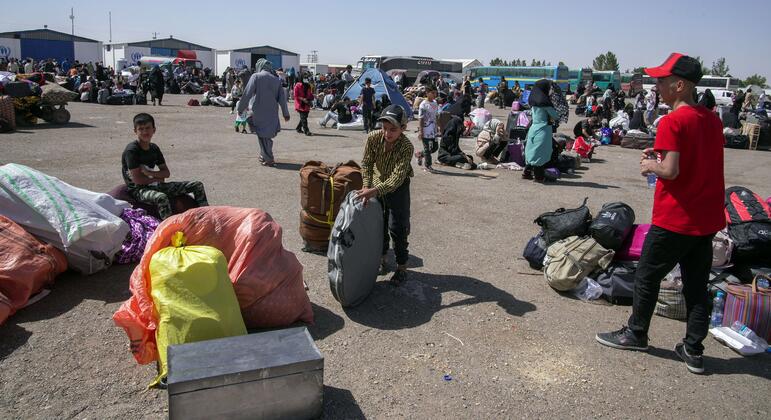
The crisis extends beyond Lebanon, with significant numbers of Afghans returning from Iran. According to UNHCR, approximately 110,000 Afghans have returned to Afghanistan since the beginning of the year, with around 1,700 returning each day since the start of the Middle East war. While insecurity and economic hardship in Iran are driving factors, returnees face precarious conditions in Afghanistan, where they are increasingly vulnerable to malnutrition and other hardships. UNICEF reports that the number of children screened and treated for malnutrition has doubled in the last week in Afghanistan’s Herat province, near the border with Iran, highlighting the growing humanitarian needs.
Supply Chain Disruptions and Global Impact
The conflict is also disrupting global supply chains, hindering the delivery of essential aid. Jean-Martin Bauer, director of the UN World Food Programme (WFP)’s Food and Nutrition Analysis Service, warned that geopolitical tensions are impacting procurement routes and increasing costs. The need for war risk insurance is adding $2,000 to $4,000 per container in high-risk areas, and shipping lines are diverting routes, adding significant delays. For example, WFP’s operations in Sudan, which rely on food purchased in India, now require shipments to take a much longer route via Tangiers, adding approximately 25 days to transit times.
These disruptions have far-reaching consequences, particularly for vulnerable populations reliant on humanitarian assistance. Delays in aid deliveries can exacerbate malnutrition and other health crises, while increased costs strain already limited resources. The conflict in the Strait of Hormuz and the Bab El-Mandeb strait are key choke points in the global supply chain, and restrictions in these areas are having a ripple effect on aid operations worldwide.
Key Takeaways
- The conflict in the Middle East is causing significant environmental damage, with “black rain” and “acidic rain” posing health risks in Iran.
- Mass displacement is occurring across the region, particularly in Lebanon, where nearly 700,000 people have been uprooted.
- Afghans are returning to Afghanistan from Iran, facing increased vulnerability and humanitarian needs.
- Global supply chain disruptions are hindering aid deliveries and increasing costs.
As the conflict continues, the international community faces a growing challenge in addressing the multifaceted humanitarian and environmental consequences. The UN is actively monitoring the situation and providing assistance, but a sustained and coordinated response is needed to mitigate the suffering and prevent further escalation. The next key development to watch will be the outcome of ongoing diplomatic efforts to secure a ceasefire and facilitate humanitarian access.
Share your thoughts on this developing story in the comments below, and please share this article with your networks to raise awareness of the unfolding crisis.
Related reading