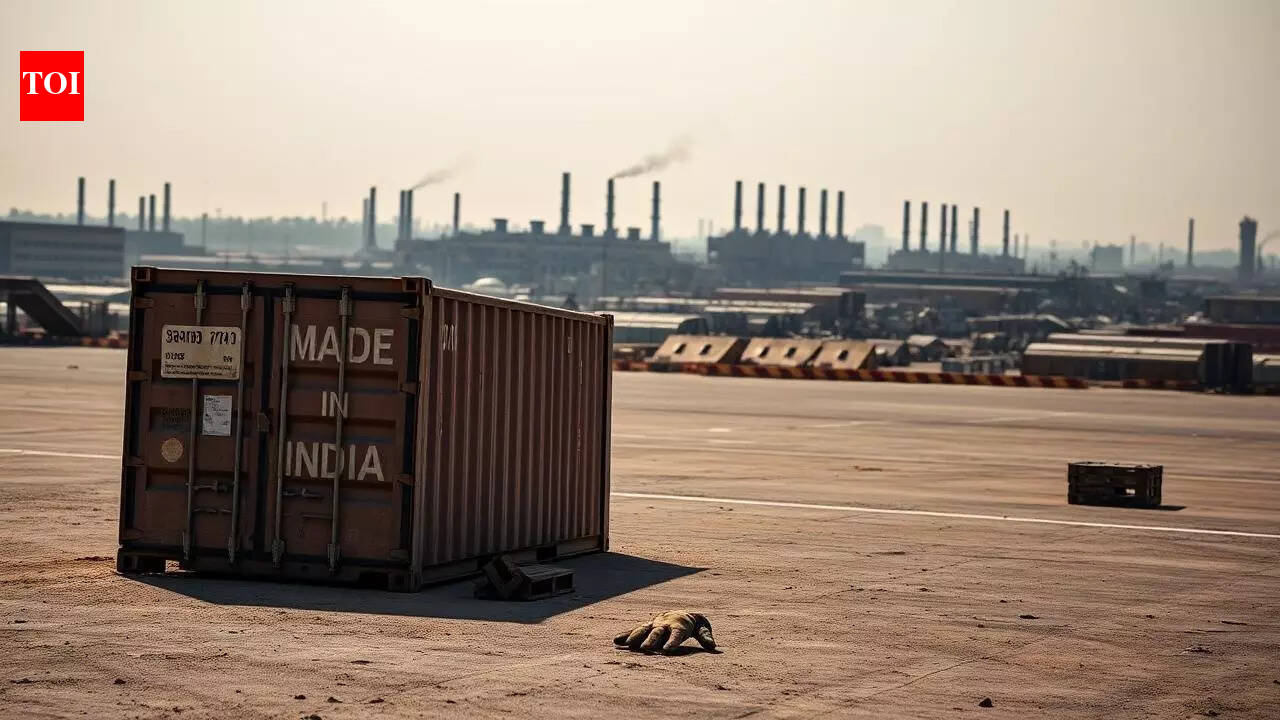
The escalating conflict in the Middle East, triggered by strikes between the United States and Israel against Iran, is sending ripples far beyond the region, impacting global markets and, increasingly, the economic landscape of India. While geographically distant, India Inc. Is already feeling the strain through rising energy costs, supply chain disruptions and increased operational challenges. The situation is particularly acute for industries heavily reliant on liquefied natural gas (LNG) and crude oil, with concerns mounting over potential shortages and further price volatility.
The current tensions, following reported strikes on Iranian military and government sites, have reignited fears of a wider regional conflict, placing significant pressure on vital shipping lanes in the Persian Gulf. This disruption is directly affecting India’s access to crucial energy resources, forcing businesses to grapple with procurement difficulties, logistical bottlenecks, and a steadily increasing cost base. The situation echoes concerns from previous periods of instability in the Middle East, where disruptions to oil supplies led to substantial price hikes and economic uncertainty.
India, a major importer of crude oil, is particularly vulnerable to fluctuations in global energy markets. The country meets a significant portion of its energy needs through imports, primarily from the Middle East. Any sustained disruption to supply could have a cascading effect on various sectors, from transportation and manufacturing to agriculture and consumer goods. The potential for prolonged instability underscores the need for India to diversify its energy sources and strengthen its strategic reserves.
Impact on Key Indian Industries
Several key sectors within the Indian economy are already experiencing the effects of the escalating conflict. The fertilizer industry, a critical component of India’s agricultural sector, is facing significant challenges due to disruptions in LNG supplies. Natural gas is a key feedstock in the production of urea, a widely used fertilizer. Production cuts and increased costs could potentially impact agricultural output and food security. According to reports, fertilizer plants and tea processors are being prioritized for LNG supplies, but this comes at the expense of other industrial users.
The ceramic and sanitary ware industries, concentrated in states like Gujarat and Morbi, are as well heavily reliant on natural gas for firing kilns. Production cuts are already being reported, with some companies bracing for a 50% reduction in output. The impact extends to the textile and tyre industries, both of which depend on crude oil derivatives for raw materials. Tyre manufacturers, for example, rely on crude-oil derivatives like synthetic rubber and carbon black, accounting for approximately 70% of their raw material costs. Erratic LPG supply is also affecting forging companies, with reports of shortages impacting operations.
Mangalore Refinery and Petrochemicals Limited (MRPL) has temporarily suspended fuel exports due to difficulties in securing crude oil cargoes, highlighting the broader impact on India’s refining sector. Gulf News reports that oil prices have surged above $100 a barrel, exacerbating the cost pressures on Indian importers. This price increase is reminiscent of the Iraq War era, when crude prices soared to nearly $140 a barrel, triggering significant increases in the cost of LNG, LPG, petrol, and diesel.
Government Response and Mitigation Efforts
The Indian government has invoked emergency powers to prioritize LPG supplies for households, ensuring that domestic consumers are shielded from the worst effects of the crisis. Energy giants like Reliance Industries Limited (RIL) and Oil and Natural Gas Corporation (ONGC) have been directed to maximize LPG output and divert natural gas from their KG-D6 basin to priority sectors. RIL has stated it is ramping up LPG production at its Jamnagar refining and petrochemical complexes to stabilize domestic supplies. These measures aim to mitigate the immediate impact on essential services and vulnerable populations.
However, the long-term implications of the conflict remain uncertain. If Brent crude remains above $90 a barrel, businesses could face mounting cost pressures, potentially leading to inflationary pressures and reduced economic growth. V K Vijayakumar, chief investment strategist at Geojit Investments, warns that prolonged disruptions could lead to physical shortages affecting transport, hospitality, and industrial sectors. The situation underscores the importance of diversifying India’s energy sources and reducing its dependence on volatile global markets.
Broader Economic Implications and Regional Concerns
The conflict’s impact extends beyond direct energy costs. Disruptions to trade routes and logistical challenges are affecting the movement of goods, leading to delays and increased transportation expenses. Jindal Stainless, for example, anticipates delays in steel shipments due to the conflict’s impact on regional trade. Apparel exporters in Tiruppur, already grappling with US tariffs, are facing rising raw material costs, including caustic soda, acetic acid, sodium sulphate, and ferroxide. More than 450 small and medium dyeing units in the region rely on gas-fired boilers and are struggling to maintain production amid the escalating costs.
The situation is further complicated by the geopolitical implications of the conflict. The naming of Mojtaba Khamenei as Iran’s new supreme leader, following the death of Ayatollah Ali Khamenei, has been met with disapproval from the United States. Donald Trump has labeled the selection “unacceptable,” raising concerns about a continuation of hardline policies. This political instability adds another layer of uncertainty to the already volatile situation.
reports of attacks on civilian infrastructure, including a desalination plant in Bahrain and an elementary school in Iran, raise serious humanitarian concerns. The reported death toll in Lebanon has risen to at least 50, with over 300 injured, according to Lebanese Health Ministry officials. ABC News reports that the U.S. Embassy in Jordan has issued a shelter-in-place order, reflecting the escalating regional tensions. These developments underscore the human cost of the conflict and the potential for further escalation.
Looking Ahead
The situation remains highly fluid, and unpredictable. The immediate priority for India is to secure its energy supplies and mitigate the impact on key industries. Longer-term, the country needs to accelerate its efforts to diversify its energy sources, invest in renewable energy technologies, and strengthen its strategic reserves. Continued monitoring of the geopolitical situation and proactive engagement with regional stakeholders will be crucial to navigating the challenges ahead.
The next key development to watch will be the ongoing diplomatic efforts to de-escalate the conflict and prevent further escalation. The international community is closely monitoring the situation, and any breakthroughs in negotiations could have a significant impact on global markets and India’s economic outlook. The potential for further disruptions to energy supplies and trade routes remains a significant concern, and businesses in India need to prepare for a prolonged period of uncertainty.
What are your thoughts on how the conflict in the Middle East will impact the Indian economy? Share your insights and perspectives in the comments below. Don’t forget to share this article with your network to keep the conversation going.
Keep reading