Rome – As global energy prices remain volatile, the Italian government is considering measures to alleviate the burden on consumers, with a focus on the mechanism of “extra-gettito IVA,” or the surplus VAT revenue. This system, designed to automatically adjust tax revenue based on price fluctuations, is being evaluated as a potential tool to mitigate the impact of rising fuel costs. The discussion took place during a Council of Ministers meeting on Wednesday, March 10, 2026, though a definitive decision on implementing the measure was deferred for further analysis.
The situation is particularly acute for diesel fuel, which has seen prices climb significantly in recent weeks, reaching approximately €2.60 per liter on highways. This surge has sparked protests from various sectors, including consumers, transport companies, and agricultural businesses. The government’s initial plan to address the issue through a decree on excise duties was not included on the agenda for the Council of Ministers, as officials determined more time was needed to assess the most effective approach. According to sources within the government, the focus is now on determining whether the existing “aliquota mobile” – a variable excise tax rate previously used during the energy crisis following the war in Ukraine – is suitable for the current circumstances, or if an alternative mechanism is required.
Understanding the ‘Extra-Gettito IVA’ Mechanism
The “extra-gettito IVA” system is a key component of Italy’s fiscal policy, designed to manage fluctuations in VAT revenue resulting from changes in energy prices. Value Added Tax (VAT) is a consumption tax applied to the value added at each stage of the supply chain. When energy prices rise, the VAT collected by the government also increases, creating what is termed “extra-gettito.” This surplus revenue is then earmarked for specific purposes, often to fund measures aimed at offsetting the impact of higher prices on consumers, and businesses. The system aims to provide a degree of automatic stabilization, cushioning the economy from sudden shocks in energy markets.
The precise mechanics of how the “extra-gettito IVA” is allocated are determined by government decree. Historically, these funds have been used to reduce energy taxes, provide direct subsidies to vulnerable households, or invest in renewable energy projects. The effectiveness of the system depends on the speed and transparency with which the surplus revenue is identified and redistributed. A key challenge lies in balancing the demand for immediate relief with the long-term goals of fiscal sustainability and energy transition.
Current Considerations and Government Response
The current spike in fuel prices is attributed to a combination of factors, including geopolitical tensions in the Middle East and disruptions to global supply chains. The Kuwait Petroleum Corporation’s recent decision to cut crude oil supplies, coupled with concerns about potential disruptions to fertilizer production, have contributed to market volatility. These developments have prompted calls for swift government action to protect consumers and businesses from escalating costs.
While a decision on the “aliquota mobile” or other excise duty adjustments was postponed, the Italian government is actively exploring various options. Infrastructure and Transport Minister Matteo Salvini has stated that the Ministries of Enterprise and Made in Italy (MIMIT) and the Ministry of Economy and Finance (MEF) are working on potential solutions. Salvini also highlighted the possibility of addressing speculative practices within the energy sector, suggesting that some companies may be leisurely to reduce prices when market conditions improve. He emphasized that the government is focusing on identifying and addressing the root causes of price increases, rather than solely targeting fuel retailers.
Potential Impact on Consumers and Businesses
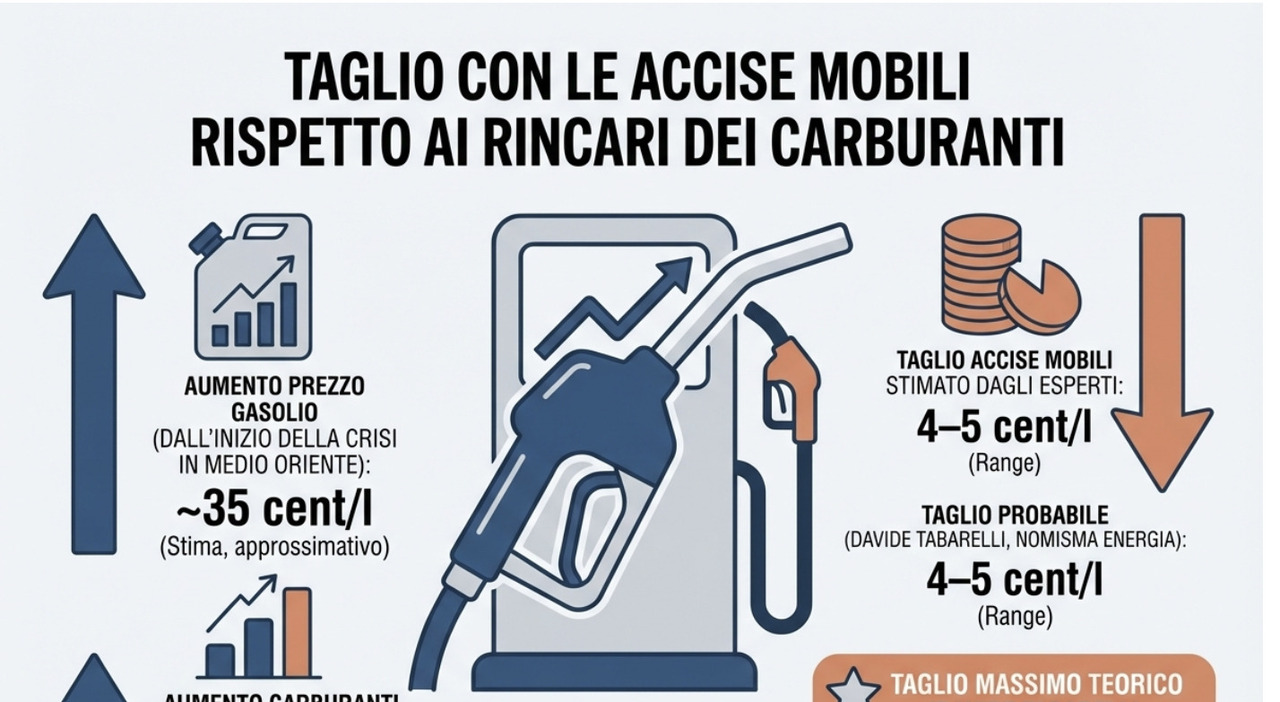
The proposed measures, including the potential activation of the “extra-gettito IVA” mechanism, are intended to provide some relief to consumers and businesses facing higher fuel costs. However, the extent of the impact remains uncertain. Estimates suggest that a reduction in excise duties could lower prices by 4 to 5 cents per liter, but this may not fully offset the recent increases. Consumer groups, such as Codacons, have criticized the government’s delay in taking action, arguing that each day of postponement results in significant financial losses for motorists and the transport sector. They estimate that the cumulative damage could amount to hundreds of millions of euros.
The impact will be particularly felt by sectors heavily reliant on transportation, such as agriculture, fishing, and logistics. Higher fuel costs increase operating expenses, potentially leading to higher prices for goods and services. Small and medium-sized enterprises (SMEs) are particularly vulnerable, as they often have limited capacity to absorb increased costs. The government’s response is therefore crucial to maintaining economic stability and protecting the competitiveness of Italian businesses.
International Collaboration and Energy Security
Beyond domestic measures, the Italian government is also engaging in international collaboration to address the broader energy crisis. Following the Council of Ministers meeting, Prime Minister Giorgia Meloni participated in a video conference with leaders from Germany and Belgium to discuss simplification and energy security in the context of the ongoing crisis stemming from conflicts in Iran and the Gulf region. This initiative builds on previous discussions held in February, aiming to coordinate efforts to streamline regulations and enhance energy supply resilience.
The focus on simplification reflects a broader effort to reduce bureaucratic hurdles and promote investment in the energy sector. Improving energy security is seen as essential to mitigating the risks associated with geopolitical instability and ensuring a stable supply of affordable energy for European consumers and businesses. The Italian government is actively advocating for diversification of energy sources and increased investment in renewable energy technologies as part of a long-term strategy to reduce dependence on fossil fuels.
Other Legislative Matters Considered
In addition to the discussion on fuel prices, the Council of Ministers also addressed other legislative matters. These included a draft law for the ratification of an interim economic partnership agreement between the Ivory Coast and the European Union, and an agreement on co-production of cinematographic works between Italy and China, signed in Beijing on February 2, 2026. These agreements reflect Italy’s commitment to strengthening economic ties with key international partners and promoting cultural exchange.
The government’s agenda demonstrates a multifaceted approach to addressing economic challenges, balancing immediate concerns about energy prices with long-term goals of sustainable development and international cooperation.
The next step in this process will be further analysis by the Ministry of Economy and Finance and the Ministry of Enterprise and Made in Italy, with a potential decree expected to be presented to the Council of Ministers in the coming weeks. The government has indicated a commitment to finding a solution that provides meaningful relief to consumers and businesses while maintaining fiscal responsibility. Readers are encouraged to follow updates from official government sources for the latest developments.
Do you have thoughts on how the Italian government should address rising fuel costs? Share your opinions in the comments below.
Related reading