The Shifting Sands of Power: Iran, the US, and a Conflict Without Clear Victory
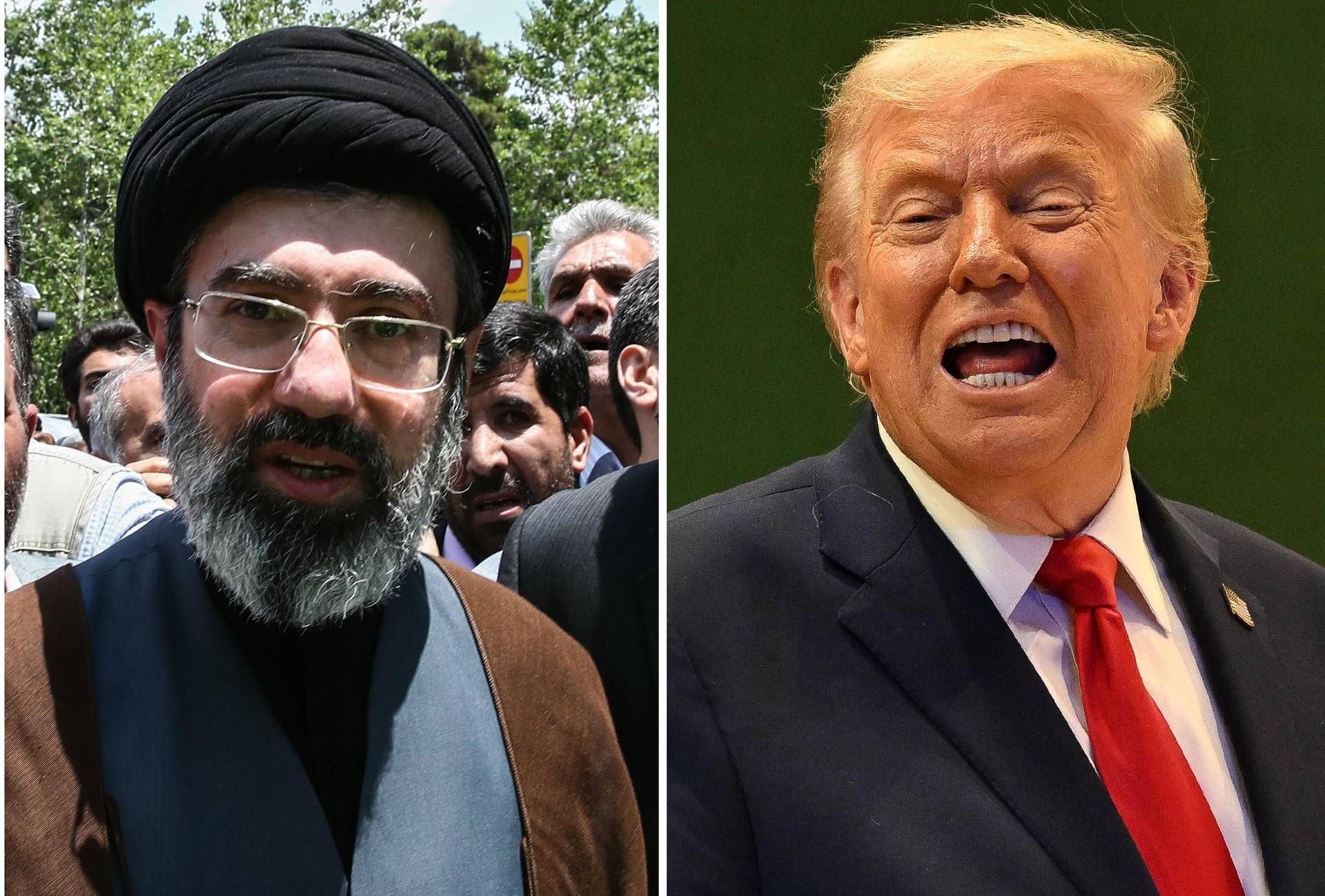
The recent escalation of conflict involving Iran, the United States, and Israel has created a volatile situation with no easy path to resolution. Even as military strikes have significantly impacted Iran’s nuclear program, a decisive victory for either side appears increasingly unlikely. The March 8th announcement of Mojtaba Khamenei as Iran’s fresh Supreme Leader, following the death of his father, Ayatollah Ali Khamenei, underscores the regime’s resilience and determination to withstand external pressure. This leadership transition, coupled with the economic repercussions of rising oil prices, paints a picture of a protracted struggle with far-reaching consequences. The conflict, already involving a complex web of regional actors, risks spiraling into a prolonged war of attrition, as highlighted by analysis from the Wall Street Journal.
The initial US strategy, according to sources, centered on the hope that the elimination of Ayatollah Ali Khamenei would trigger the collapse of the Iranian regime or facilitate a shift towards more pragmatic leadership, mirroring scenarios seen in other nations. However, this expectation failed to materialize. Instead, the Assembly of Experts swiftly appointed Mojtaba Khamenei, a figure known for his hardline stance and close ties to the Islamic Revolutionary Guard Corps (IRGC), as the new Supreme Leader. This outcome demonstrates the regime’s ability to maintain continuity and resist external attempts at regime change. The selection of Mojtaba Khamenei, as reported by Al Jazeera on March 8, 2026, signals a continuation of the existing political trajectory and a rejection of concessions to the West.
A New Leader Amidst Ongoing Conflict
Mojtaba Khamenei, born in 1969, assumes leadership at a critical juncture. According to Wikipedia, he has served as the third Supreme Leader of Iran since March 2026. His appointment comes after a devastating strike that claimed the lives of his father, mother, wife, and a sister, though he was reportedly not present during the attack. This personal tragedy underscores the intensity of the conflict and the risks faced by Iran’s leadership. Prior to his ascension, Khamenei held a significant, though largely behind-the-scenes, role within the Iranian government, cultivating strong relationships with the IRGC. This background suggests a continuation of the policies favored by the hardline faction within the regime. The Assembly of Experts’ call for unity and allegiance to the new leader reflects an attempt to consolidate power and project stability in the face of external threats.
The military situation remains fluid. While the United States claims to have inflicted substantial damage on Iranian targets – reportedly striking over 5,000 objectives and sinking more than 50 Iranian vessels – Iran continues to launch retaliatory attacks against US bases, Israel, and Gulf states. Iran has taken steps to disrupt maritime traffic in the Strait of Hormuz, a vital waterway for global oil supplies. This action, potentially involving the mining of the strait, aims to increase the economic costs of the conflict for the United States and its allies. Ellie Geranmayeh of the European Council on Foreign Relations suggests that Iran’s strategy is to demonstrate the economic consequences of the war to the American public, hoping to erode support for continued military intervention.
Russia’s Position: A Potential Beneficiary
Beyond the direct confrontation between Iran and the US, the conflict is creating opportunities for other global powers, most notably Russia. Rising oil and gas prices, a direct consequence of the instability in the Middle East, benefit the Russian economy. Russian President Vladimir Putin has openly offered to supply crude oil to Europe, potentially capitalizing on disruptions to Middle Eastern oil supplies. Alexandra Prokopenko, an economist, noted that a prolonged conflict would be advantageous for the Kremlin, leading to sustained high oil prices. This economic benefit, coupled with Russia’s suspected intelligence collaboration with Iran, positions Moscow as a key player in the unfolding crisis.
Russia has also offered its mediation services, with Kremlin spokesperson Dmitri Peskov stating that Moscow is prepared to assist in de-escalating tensions. However, this offer has been met with skepticism from the United States, with a Pentagon official reportedly stating that Russia should not be involved in any mediation efforts. This rejection highlights the deep distrust between Washington and Moscow and underscores the complexities of finding a diplomatic solution to the conflict. The situation is further complicated by the involvement of numerous other countries, with the Wall Street Journal reporting that as many as 12 nations are now directly or indirectly involved, creating a complex geopolitical landscape.
The Economic Fallout and Global Impact
The economic consequences of the conflict are already being felt worldwide. Beyond the immediate impact on oil prices, the instability in the Middle East is disrupting global supply chains and creating uncertainty in financial markets. The potential for further escalation, including attacks on critical infrastructure, poses a significant threat to the global economy. The disruption to shipping through the Strait of Hormuz, which handles approximately 20% of the world’s oil and liquefied natural gas, is a particularly concerning development. This disruption could lead to significant price increases and shortages, impacting consumers and businesses around the globe.
The conflict also has significant implications for regional stability. The involvement of multiple actors, including Saudi Arabia, Israel, and various proxy groups, raises the risk of a wider regional war. The potential for miscalculation and unintended consequences is high, and the situation remains highly volatile. The long-term consequences of the conflict are uncertain, but the Middle East will remain a region of instability for the foreseeable future.
Who Truly Benefits?
While both Iran and the United States face significant challenges in achieving their objectives, Russia appears to be the primary beneficiary of the ongoing conflict. The elevated oil prices bolster the Russian economy, providing a much-needed financial boost. Russia’s position as a potential mediator allows it to exert influence and potentially shape the outcome of the crisis. The conflict also serves to divert attention from Russia’s own geopolitical challenges, such as its ongoing involvement in Ukraine. By positioning itself as a neutral actor, Russia can enhance its international standing and potentially gain leverage in future negotiations.
The situation is further complicated by the internal dynamics within Iran. The appointment of Mojtaba Khamenei, a hardliner with close ties to the IRGC, suggests a continuation of the regime’s confrontational policies. This could make it more difficult to achieve a diplomatic resolution to the conflict. The economic pressures facing Iran, coupled with the loss of key leaders, could also lead to internal unrest and instability. However, the regime has demonstrated a remarkable ability to suppress dissent and maintain control, even in the face of significant challenges.
The conflict’s trajectory remains uncertain. While the United States has inflicted significant damage on Iran’s military infrastructure, the regime has demonstrated its resilience and its willingness to continue fighting. A prolonged war of attrition seems likely, with both sides facing significant costs. The ultimate outcome will depend on a complex interplay of military, economic, and political factors. The role of Russia, as a potential beneficiary and mediator, will also be crucial in shaping the future of the conflict.
Looking ahead, the international community will be closely monitoring the situation for any signs of de-escalation. The next key development to watch will be the outcome of ongoing diplomatic efforts, particularly any potential negotiations between the United States and Iran. The possibility of further escalation remains high, and the risk of a wider regional war cannot be ruled out. Readers are encouraged to stay informed about this evolving situation and to engage in constructive dialogue about the challenges and opportunities it presents.
Worth a look