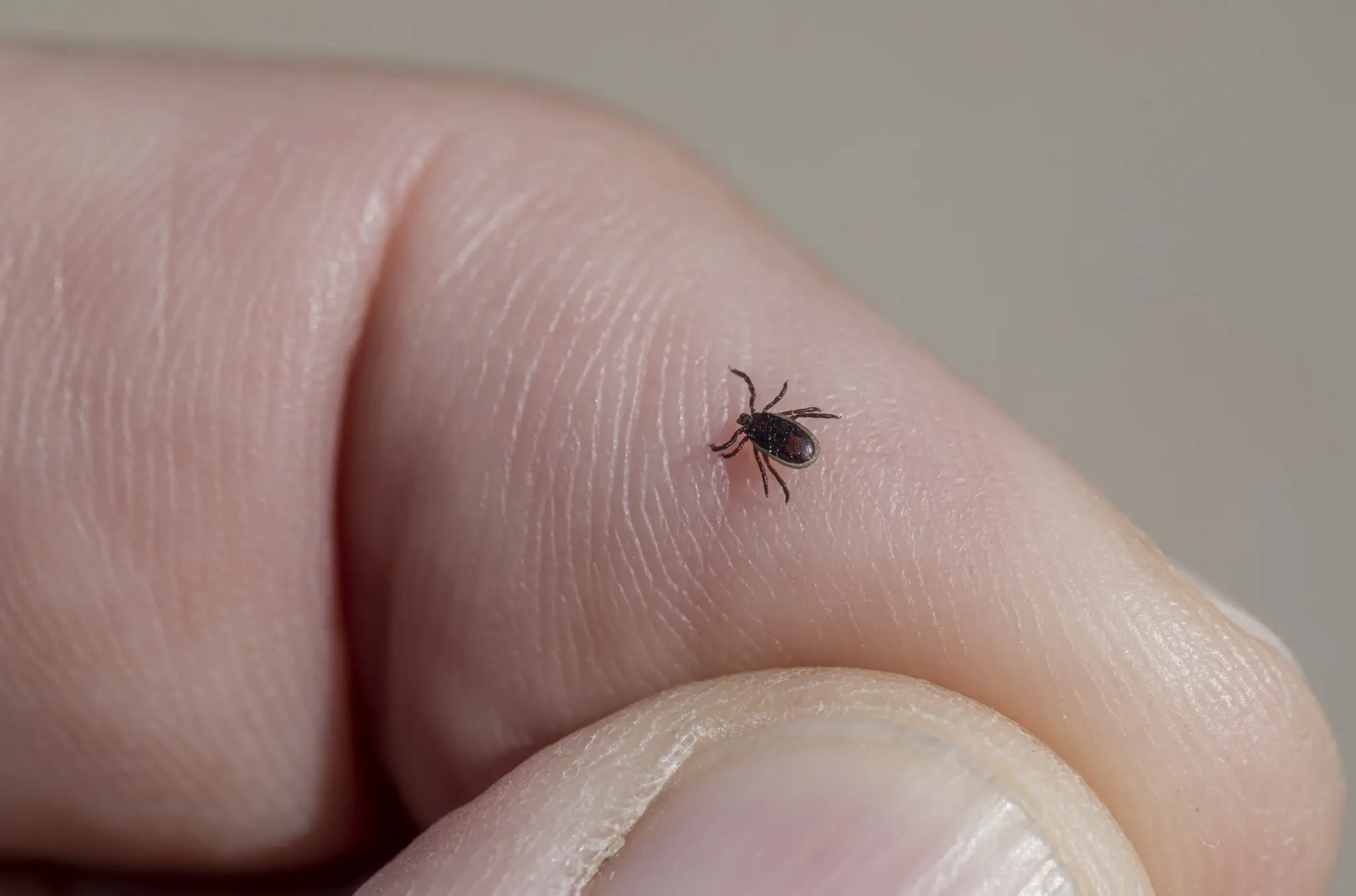
A groundbreaking international study led by researchers at the Medical University of Graz has identified a potential genetic risk factor for tick-borne encephalitis (TBE), commonly known as Frühsommer-Meningoenzephalitis (FSME) in Europe. This discovery, published earlier this month, offers a crucial step forward in understanding the complex interplay between genetics and viral infection, potentially paving the way for more targeted therapies and preventative measures against this debilitating disease.
FSME, a viral infection transmitted through tick bites, causes inflammation of the central nervous system, leading to a range of symptoms from mild flu-like illness to severe neurological complications, including meningitis and encephalitis. Even as a highly effective vaccine exists, cases continue to occur, and the disease can have lasting effects. Approximately 100 to 200 cases are reported annually in Austria alone, despite high vaccination rates, highlighting the require for a deeper understanding of individual susceptibility. As ORF Steiermark reports, roughly half of adult patients experience ongoing health limitations after hospital discharge, with around ten percent developing temporary paralysis and a mortality rate of approximately one percent.
The research, involving the genetic analysis of around 1,600 patients from nine European countries – Slovenia, Czech Republic, Poland, Estonia, Latvia, Lithuania, Germany, England, and Austria – represents one of the largest FSME genetic studies conducted to date. Researchers, led by Werner Zenz of the University Clinic for Paediatrics and Adolescent Medicine at the Medical University of Graz, analyzed approximately 700,000 genetic variants per person, comparing them to healthy control groups. Their findings pinpointed a significant genetic variation within the ABCG1 gene as a potential key to understanding why some individuals are more vulnerable to FSME than others.
The Role of ABCG1 in Viral Infection
The ABCG1 gene plays a critical role in cholesterol metabolism, specifically transporting cholesterol from inside cells to their surface, where it can be processed by high-density lipoprotein (HDL) particles. The study revealed a correlation between specific variants of this gene and an increased risk of developing FSME. Though, the significance extends beyond mere association. Laboratory experiments demonstrated that blocking the ABCG1 gene in cell cultures significantly hindered the FSME virus’s ability to replicate. “Our results strongly suggest that ABCG1 is a central entry point for the FSME virus in the human body,” explained Werner Zenz, according to the Medical University of Graz. This discovery opens up entirely new perspectives for understanding the disease and, potentially, developing therapeutic approaches.
Piyush Gampawar and Manfred Sagmeister, the study’s first authors, meticulously analyzed the genetic data, revealing the link between ABCG1 variants and FSME susceptibility. This finding is particularly significant because it identifies a specific cellular mechanism that the virus exploits to gain entry and replicate. Understanding this mechanism could lead to the development of antiviral therapies that target ABCG1, preventing the virus from effectively infecting cells.
Implications for Future Research and Treatment
The identification of ABCG1 as a potential key player in FSME infection is not only relevant to this specific disease. Researchers are now investigating whether similar mechanisms are involved in other viral infections of the central nervous system. The ABCG1 gene’s role in cholesterol transport and its influence on immune responses suggest it could be a common vulnerability exploited by a range of pathogens. Further research will focus on determining whether manipulating the ABCG1 gene can alter the course of FSME and potentially other viral illnesses.
The study’s findings also underscore the importance of considering individual genetic predispositions when assessing risk and developing preventative strategies for infectious diseases. While vaccination remains the most effective way to protect against FSME, understanding genetic factors could help identify individuals who may require additional precautions or benefit from personalized treatment approaches. The ongoing research at the Medical University of Graz and its international partners promises to refine our understanding of FSME and potentially unlock new avenues for combating this challenging disease.
Key Takeaways
- A new genetic risk factor, the ABCG1 gene, has been identified in relation to tick-borne encephalitis (FSME).
- The ABCG1 gene plays a role in cholesterol metabolism and appears to be a key entry point for the FSME virus.
- Blocking the ABCG1 gene in laboratory settings hindered viral replication, suggesting a potential therapeutic target.
- The research involved a large-scale genetic analysis of over 1,600 patients from nine European countries.
- Further studies are planned to investigate the potential for manipulating the ABCG1 gene to treat FSME and other viral infections.
Researchers are continuing to monitor the prevalence of FSME and the effectiveness of current preventative measures. The next steps involve more detailed investigations into the specific ABCG1 variants associated with increased risk and exploring potential therapeutic interventions. The team also plans to expand their research to include other viral infections to determine if similar mechanisms are at play. The findings from this study represent a significant advancement in our understanding of FSME and offer hope for the development of more effective treatments in the future.
This research highlights the complex relationship between genetics, viral infection, and individual susceptibility. As we continue to face emerging and re-emerging infectious diseases, understanding these factors will be crucial for protecting public health. The ongoing perform at the Medical University of Graz and its collaborators is a testament to the power of international collaboration in tackling global health challenges.
What are your thoughts on this new discovery? Share your comments below, and please share this article with your network to raise awareness about FSME and the importance of ongoing research.
Keep reading