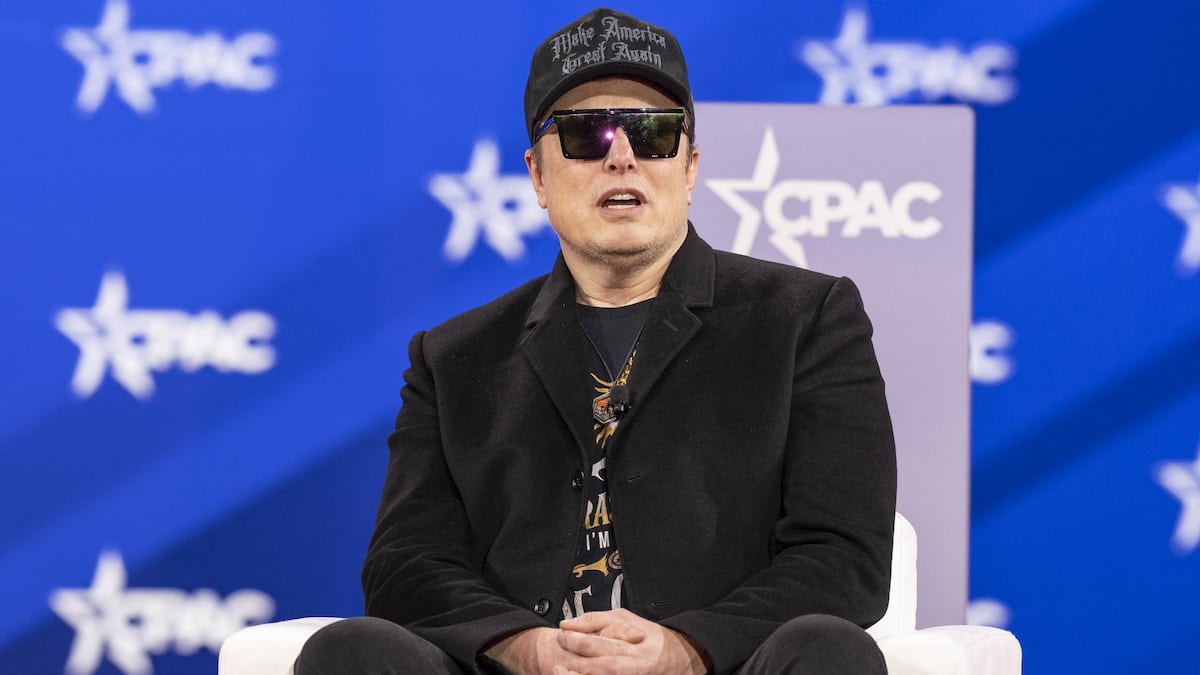
Brasília – A Brazilian court has dismissed an investigation into Elon Musk, alleging he used his social media platform, X (formerly Twitter), to violate judicial orders and undermine public institutions. The decision, handed down on Tuesday, marks a significant development in a protracted dispute between the Brazilian judiciary and the tech billionaire over content moderation and platform regulation. The case stemmed from concerns over the spread of disinformation and political polarization on X, particularly in relation to supporters of former President Jair Bolsonaro.
The investigation, initiated in 2024 by Supreme Court Justice Alexandre de Moraes, centered on accusations of “obstruction of justice” and potential interference with Brazil’s legal processes. Moraes has been a leading figure in efforts to combat disinformation and hate speech online within Brazil, a country grappling with the challenges of a rapidly evolving digital landscape and its impact on democratic institutions. The dismissal comes after the public prosecutor’s office requested the case be closed, citing a lack of concrete evidence demonstrating deliberate disobedience on the part of the X platform. Instead, investigators found evidence of “operational failures” that have since been addressed, according to reports.
The core of the dispute revolved around allegations that individuals linked to Bolsonaro’s administration had established a “digital militia” utilizing X accounts – even those previously suspended – to disseminate “false information” and exacerbate political divisions. This alleged network reportedly sought to undermine faith in Brazil’s electoral system and democratic processes. The Brazilian government has been increasingly concerned about the role of social media platforms in spreading disinformation, particularly during election cycles. The investigation into Musk and X was seen as a test case for Brazil’s ability to regulate these platforms and hold them accountable for the content hosted on their services.
Investigation Finds No Evidence of Malicious Intent
According to a statement released by Justice Moraes, “We have no evidence to support the initial thesis of malicious use of the X social network to harm the authority of the Brazilian judicial power.” This conclusion, while dismissing the investigation against Musk, does not absolve X from all scrutiny. Moraes emphasized that the platform still bears responsibility for ensuring compliance with Brazilian law and addressing harmful content. The decision highlights the complexities of balancing freedom of expression with the need to protect democratic institutions from disinformation and manipulation.
The dismissal of the case against Musk follows a period of intense friction between the Brazilian government and X. Moraes had previously ordered the blocking of several X accounts associated with Bolsonaro allies, citing violations of court orders and the spread of disinformation. These actions drew criticism from some quarters, who argued they represented censorship and an infringement on free speech. The legal battles underscored the growing global debate over the regulation of social media platforms and the responsibilities of tech companies in safeguarding democratic processes.
Moraes’ Role and US Sanctions
Justice Alexandre de Moraes has emerged as a central figure in Brazil’s efforts to regulate social media and hold individuals accountable for online misconduct. He similarly presided over the case that led to the conviction of former President Jair Bolsonaro, who was sentenced to eight years in prison for inciting the January 8, 2023, attacks on government buildings in Brasília. The Washington Post reported on his firm stance against those attempting to undermine Brazil’s democratic institutions.
Moraes himself was the subject of controversy, having been briefly sanctioned by the United States government under the Trump administration between July and December. The sanctions were levied in response to the conviction of Bolsonaro, which the Trump administration characterized as a “witch hunt.” CBS News detailed the US government’s response to the Bolsonaro conviction.
Financial Scandal Surrounds Justice Moraes
Adding another layer of complexity to the situation, Justice Moraes is currently facing scrutiny amid a financial scandal involving alleged communications with the owner of a bank shortly before the owner’s arrest in November. Moraes has denied any wrongdoing, issuing a statement to refute the allegations. Reports indicate that the law firm of his wife had secured a lucrative contract with the same financial institution. This unfolding scandal raises questions about potential conflicts of interest and the impartiality of the judiciary, further fueling political tensions in Brazil. The allegations are currently under investigation by Brazilian authorities.
The dismissal of the investigation against Elon Musk and X represents a partial victory for the company, but the broader regulatory challenges remain. Brazil continues to grapple with the issue of how to effectively regulate social media platforms while upholding principles of free expression and protecting democratic institutions. The case underscores the global struggle to balance these competing interests in the digital age. The Brazilian government is expected to continue its efforts to establish clear rules and guidelines for social media companies operating within its borders.
The Rise of Disinformation and “Digital Militias”
The case highlights the growing concern over the use of social media platforms to spread disinformation and manipulate public opinion. The term “digital militia,” as used by Brazilian authorities, refers to organized networks of individuals who utilize social media to disseminate false or misleading information, often with the intent of influencing political outcomes or undermining trust in institutions. These networks frequently employ tactics such as creating fake accounts, amplifying divisive content, and coordinating attacks on opponents. The proliferation of “digital militias” poses a significant threat to democratic processes worldwide.
Brazil’s experience with disinformation and “digital militias” is not unique. Many countries are facing similar challenges as social media platforms become increasingly central to political discourse. Efforts to combat disinformation include fact-checking initiatives, media literacy programs, and regulations aimed at holding social media companies accountable for the content hosted on their platforms. However, these efforts are often met with resistance from those who argue that they infringe on freedom of expression.
What Happens Next?
While the investigation against Musk has been dismissed, the Brazilian government’s scrutiny of X and other social media platforms is likely to continue. Justice Moraes and other officials have signaled their commitment to enforcing Brazilian law and protecting the country’s democratic institutions from online threats. The ongoing financial scandal involving Moraes adds another layer of uncertainty to the situation, and its outcome could have significant implications for the credibility of the Brazilian judiciary. Further legal challenges and regulatory changes are anticipated as Brazil navigates the complex landscape of social media regulation.
The next key development will likely be the outcome of the investigation into the allegations against Justice Moraes. Brazilian authorities have not announced a timeline for the completion of this investigation, but it is expected to be a priority given the seriousness of the allegations and the potential impact on public trust in the judiciary. Readers can stay updated on this developing story through reputable news sources such as Reuters and the Associated Press.
What are your thoughts on the balance between regulating social media and protecting free speech? Share your opinions in the comments below, and please share this article with your network.
Related reading