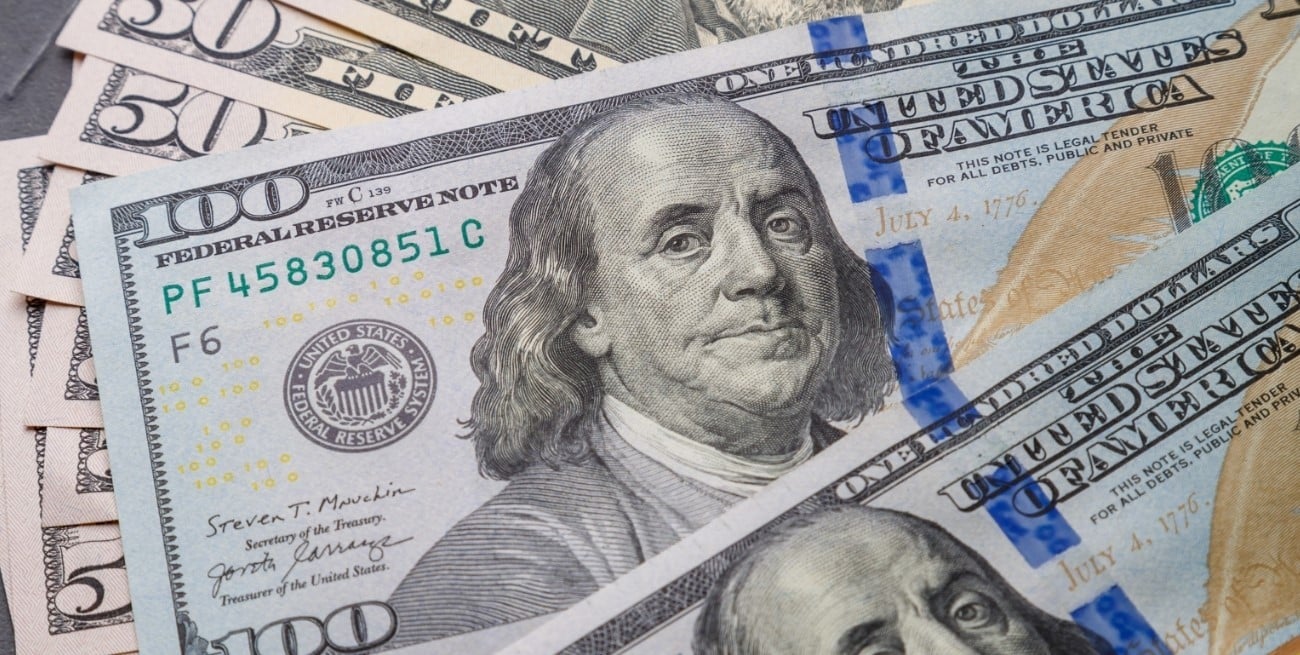
Buenos Aires – The Argentine peso continued to experience fluctuations against the US dollar this Tuesday, March 10, 2026, with varied performance across different financial institutions. While the official exchange rate saw modest declines, the informal “blue” dollar market remained largely stable. These movements come amid ongoing economic uncertainty in Argentina, with persistent inflation and a complex web of currency controls influencing market dynamics. Understanding these shifts is crucial for businesses and individuals navigating the Argentine financial landscape.
The exchange rate is a critical indicator of Argentina’s economic health, and its volatility has been a long-standing concern. Multiple exchange rates – official, MEP (Mercado de Permutas), and the unofficial “blue” rate – create a complex system that impacts trade, investment, and everyday financial transactions. The government’s attempts to manage the peso’s value through various measures, including capital controls and interventions in the foreign exchange market, have had limited success in curbing inflation and stabilizing the currency. The differing rates reflect a lack of confidence in the official system and a demand for dollars as a safe haven asset.
Official Exchange Rates: Banco Nación and Beyond
According to data compiled from various banks, Banco Nación, the country’s state-owned bank, closed trading on March 10th with the US dollar at 1,370 Argentine pesos for purchases and 1,420 pesos for sales, representing a 1.05% decrease. This translates to a spread of 50 pesos between the buying and selling prices. Banco Provincia de Buenos Aires mirrored this trend, concluding the day at 1,370 pesos for purchases and 1,420 pesos for sales, a decrease of 0.35% with the same 50-peso spread. Banco Nación provides daily exchange rate updates on its website.
Other banks also reported declines in the dollar’s value. Banco Santa Fe saw the dollar close at 1,375 pesos for purchases and 1,430 pesos for sales, a 1.04% decrease with a 55-peso spread. ICBC, a major private bank, recorded a closing rate of 1,370 pesos for purchases and 1,430 pesos for sales, down 1.38% with a 60-peso spread. Banco Entre Ríos maintained a stable rate, closing at 1,410 pesos for purchases and 1,460 pesos for sales, with a 50-peso spread. Banco Bica experienced a slight decrease, finishing at 1,383 pesos for purchases and 1,440 pesos for sales, a 0.69% decline and a 57-peso spread.
MEP Dollar: A Shift in Trends
The MEP dollar, a commonly used proxy for accessing dollars in Argentina, also saw a slight decrease. It closed with a 0.13% drop, trading at 1,417.24 pesos for purchases and 1,417.64 pesos for sales, with a minimal spread of 0.40 pesos. This represents a retreat of 2.21 and 1.78 pesos respectively, compared to the previous day’s rates. The MEP dollar is calculated based on the price of Argentine bonds traded in dollars, offering an alternative route for Argentines to acquire US currency.
The MEP dollar’s movements are closely watched as an indicator of market sentiment and expectations regarding future exchange rate policies. A decrease in the MEP dollar suggests a temporary easing of demand for US dollars, potentially driven by increased confidence in the Argentine economy or a shift in investor preferences. However, these fluctuations are often short-lived and subject to rapid changes based on evolving economic conditions.
“Blue” Dollar Market: Stability Prevails
In contrast to the official and MEP markets, the “blue” dollar – the unofficial exchange rate traded on the black market – remained stable on March 10th. It closed at 1,405 pesos for purchases and 1,425 pesos for sales, with a 20-peso spread. The “blue” dollar rate is often significantly higher than the official rate, reflecting the perceived risk and restrictions associated with accessing dollars through official channels. It serves as a barometer of market distrust and a signal of capital flight.
The stability of the “blue” dollar suggests that demand for US dollars in the informal market has not increased significantly, despite the fluctuations in the official exchange rates. This could be attributed to a variety of factors, including increased government enforcement against illegal currency trading or a temporary lull in capital flight. However, the “blue” dollar remains a key indicator of market sentiment and a potential source of instability for the Argentine economy.
Understanding the Different Dollar Rates
Argentina’s complex exchange rate system can be confusing. The official rate is set by the central bank and is primarily used for foreign trade and government transactions. The MEP dollar, as mentioned, is derived from bond trading and offers a legal way to access dollars. The “blue” dollar operates outside the official system and is driven by supply and demand in the informal market. Each rate reflects different levels of risk and access, and they often diverge significantly.
The existence of multiple exchange rates creates distortions in the Argentine economy, impacting pricing, investment decisions, and overall economic stability. Businesses often struggle to navigate this complex landscape, and individuals face challenges in protecting their savings from inflation and currency devaluation. The government’s attempts to unify the exchange rates have so far been unsuccessful, and the system remains a source of ongoing economic uncertainty.
The Banco de la Nación Argentina (https://www.bna.com.ar/) provides official exchange rates, while the “blue” dollar rate is tracked by various financial news outlets and online platforms. It’s important to consult multiple sources to get a comprehensive understanding of the market dynamics.
Looking Ahead: What to Expect
The future trajectory of the Argentine peso remains uncertain. Several factors will likely influence its performance in the coming weeks and months, including government policies, inflation rates, and global economic conditions. The ongoing negotiations with the International Monetary Fund (IMF) regarding Argentina’s debt restructuring will also play a crucial role. A successful agreement with the IMF could boost investor confidence and facilitate stabilize the peso, while a failure to reach an agreement could exacerbate the economic challenges.
the upcoming presidential elections in 2025 will likely introduce additional uncertainty into the market. The policies of the next administration will have a significant impact on the Argentine economy and the value of the peso. Investors will be closely watching the election campaigns to assess the potential risks and opportunities.
As of March 11, 2026, market analysts are predicting continued volatility in the Argentine peso. The spread between the official and unofficial exchange rates is expected to remain wide, and the “blue” dollar is likely to continue serving as a barometer of market sentiment. Individuals and businesses operating in Argentina should closely monitor these developments and adjust their strategies accordingly.
The next key economic indicator to watch will be the release of February’s inflation data, scheduled for March 15, 2026. This data will provide further insights into the effectiveness of the government’s economic policies and the overall health of the Argentine economy. Stay informed and consult with financial advisors to navigate these complex market conditions.
Disclaimer: *This article provides general information and should not be considered financial advice. Exchange rates are subject to change, and It’s essential to consult with a qualified financial professional before making any investment decisions.*
Related reading