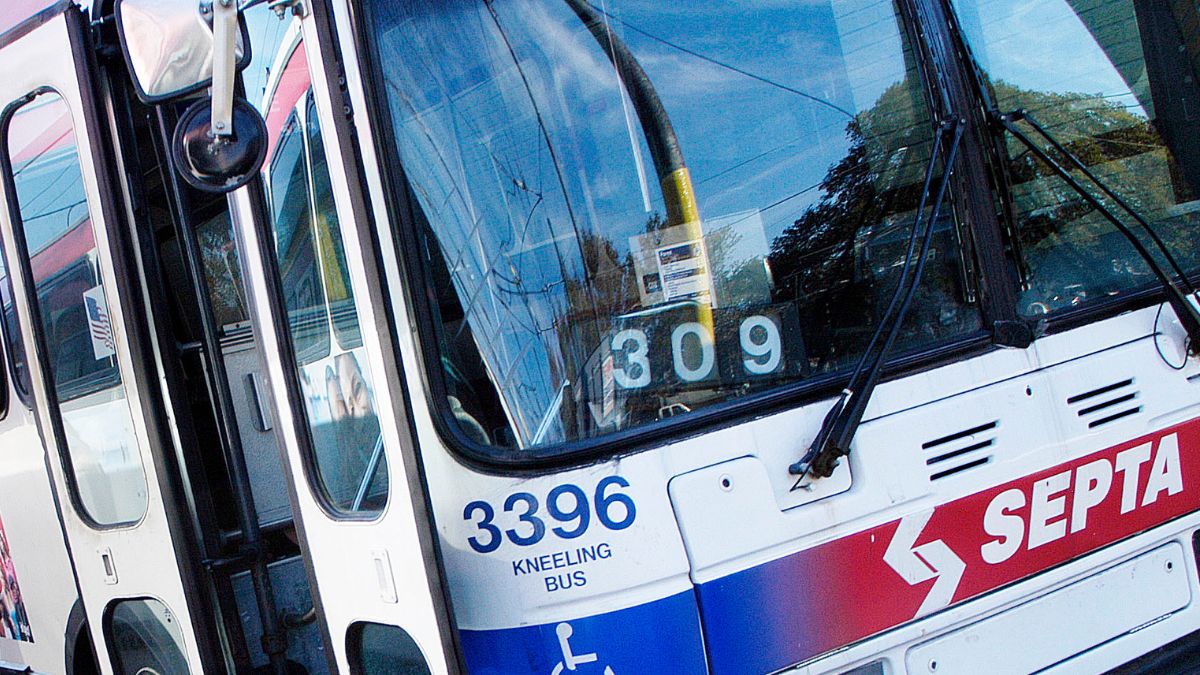
Philadelphia’s public transportation system, the Southeastern Pennsylvania Transportation Authority (SEPTA), is moving forward with a comprehensive overhaul of its bus network, dubbed the “New Bus Network” initiative. After a period of stalled plans due to budgetary constraints, SEPTA officials revealed a new implementation timeline this week, marking a significant step towards modernizing a system that serves a vast and diverse region.
The initiative, described as the “first-ever comprehensive redesign of SEPTA’s bus network in its 63-year history,” aims to improve reliability, increase frequency, and enhance connectivity for riders. This ambitious project isn’t simply about rearranging routes; it’s a fundamental rethinking of how buses operate in the Philadelphia metropolitan area, responding to evolving travel patterns and aiming to attract new riders whereas better serving existing ones. The plan builds upon extensive community engagement, with SEPTA officials stating that the initiative was approved by the board in May 2024 following feedback from over 20,000 residents gathered through 150 in-person events, 40 virtual meetings, and 10 public hearings over three years.
The road to this point hasn’t been without its challenges. Two years ago, SEPTA was forced to put its initial “Bus Revolution” plans on hold due to financial difficulties. As reported by NBC10 Philadelphia, these budget woes threatened to derail the entire project. However, the rebranding to the “New Bus Network” and the renewed commitment to implementation signal a determined effort to overcome these obstacles and deliver much-needed improvements to the region’s bus service.
A Phased Rollout: What to Expect
SEPTA is adopting a phased approach to implement the New Bus Network, beginning in August 2026 and continuing through June 2027. This strategy, according to SEPTA, will allow for a more focused and manageable rollout, enabling the agency to closely monitor the impact of changes and address any issues that arise. The phased implementation will be structured around three key phases, each targeting specific corridors and service improvements.
Phase 1, launching in August 2026, will concentrate on routes in South Philadelphia, Kensington/Juniata, the Cheltenham and Lancaster Avenue corridors, and Roxborough. This initial phase will introduce two new routes – Route 72, operating east-west on Cheltenham Avenue connecting Frankford Transit Center to Cedarbrook Plaza, and Route 76, providing north-south service from Crescentville through Fishtown and into Center City via Columbus Boulevard. Several existing routes (45, 53, 60, 61, 79, and 105) will see extensions, while routes 6, 46, 47, 49, 57, and 64 will experience frequency improvements. Some routes will see reduced service (4, 32, 39, 54, and 73), and others (17, 44, 52, 35, 47M, 62, 78, 80, 89, and 106) will be eliminated due to low ridership or redundancy.
Phase 2, scheduled for February 2027, will focus on expanding regional connections. This phase includes extending limited-stop Direct Bus service between Frankford Transit Center and Wissahickon Transit Center, as well as extending Route 43 to 69th Street Transit Center. Notably, SEPTA plans to introduce two new “SEPTA Go” services in Chester County and a new Route 142, also in Chester County. Alignment changes are planned for routes 3, 5, 22, 33, 51, and 94, while routes 1, 30, 92, 150, 201, 204, and 206 will be eliminated due to low ridership.
Phase 3, slated for June 2027, will further expand regional service with the implementation of new SEPTA Go service in Montgomery County. Alignment changes will also be made to routes 95, 97, 98, 99, and 131, and Route 93 will see a pattern reduction. Routes 90, 139 will be eliminated due to low ridership.
Addressing Concerns and Building Trust
The shift from the “Bus Revolution” moniker to the “New Bus Network” reflects a deliberate effort by SEPTA to adopt a more measured and collaborative approach. Lex Powers, SEPTA’s deputy chief communications officer for customer experience, explained that the change is intended to be “simple and straightforward,” signaling a forward-looking perspective. This shift in messaging is part of a broader commitment to extensive communication with both riders and employees, ensuring a smooth transition and minimizing disruption.
A key goal of the New Bus Network is to increase the number of routes offering frequent service – defined as trips every 15 minutes or better, seven days a week. Currently, only eight routes meet this standard; the initiative aims to increase that number to 29. This increased frequency, coupled with expanded mid-day, late-night, and weekend service on ten routes in Phase 1, is intended to make public transportation a more convenient and reliable option for a wider range of riders.
However, the elimination of some routes is likely to raise concerns among those who rely on those services. SEPTA acknowledges this and emphasizes that the routes being eliminated are those with low ridership or significant overlap with existing services. The agency aims to redirect resources to areas where they can have the greatest impact, improving overall network efficiency and responsiveness to rider demand.
The Broader Impact and Future Outlook
The New Bus Network initiative represents a significant investment in the future of public transportation in the Philadelphia region. By modernizing the bus network, SEPTA hopes to not only improve service for existing riders but also attract new customers, reducing traffic congestion and promoting sustainable transportation options. The project aligns with broader urban planning goals focused on accessibility, equity, and environmental sustainability.
The success of the New Bus Network will depend on effective communication, careful monitoring, and a willingness to adapt based on rider feedback. SEPTA has committed to an ongoing dialogue with the community throughout the implementation process, ensuring that the network evolves to meet the changing needs of the region. The agency’s website, septa.org/bus, serves as a central hub for updates, maps, and details on upcoming engagement events, including SEPTA’s Annual Service Plan open house, and hearing.
The next key milestone for the New Bus Network is the implementation of Phase 1 in August 2026. Riders and residents are encouraged to stay informed and participate in upcoming engagement opportunities to ensure their voices are heard as SEPTA embarks on this transformative project. The agency will be holding additional hearings in April, followed by a board vote in May, as the plan moves closer to full implementation.
What are your thoughts on the New Bus Network? Share your comments and questions below, and let’s discuss how this initiative will shape the future of public transportation in Philadelphia.