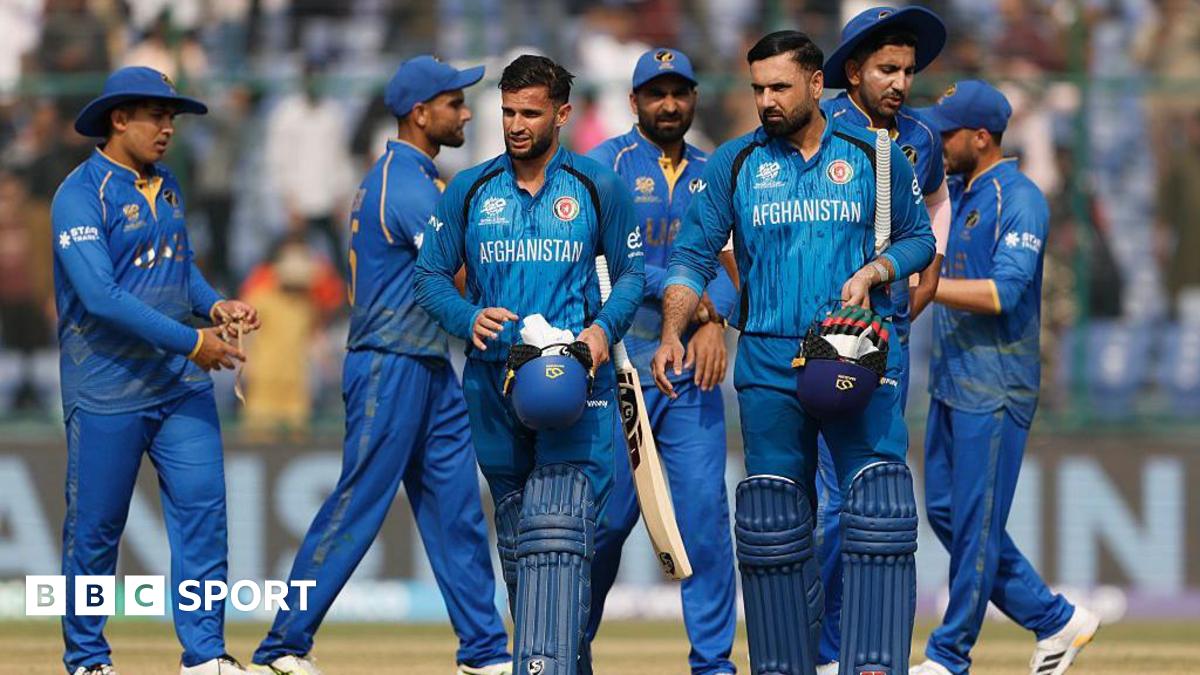
Dubai, UAE – The eagerly anticipated cricket series between Afghanistan and Sri Lanka, slated to be held in the United Arab Emirates, has been postponed until the final quarter of 2026. The decision, confirmed by the Afghanistan Cricket Board (ACB), comes amid escalating regional tensions and logistical challenges stemming from the ongoing conflict in the Middle East. This postponement adds to a growing list of disruptions impacting international sporting events, highlighting the increasing influence of geopolitical instability on the world of sports.
Originally scheduled to commence on March 13th with three Twenty20 International (T20I) matches in Sharjah, the series was to continue with three One Day International (ODI) games in Dubai from March 20th. The ACB cited “logistical challenges, including flight constraints arising from the ongoing regional situation” as the primary reason for the rescheduling. The postponement underscores the complexities of organizing international sporting events in a region facing heightened security concerns and travel disruptions. This series was highly anticipated by fans of both nations, and the delay will undoubtedly disappoint cricket enthusiasts across the globe.
Regional Conflict Drives Postponement
The decision to postpone the Afghanistan-Sri Lanka series is directly linked to the recent escalation of conflict in the Middle East. While the specific details of the conflict are evolving, widespread travel disruption has been reported across the region since the United States and Israel began launching air strikes earlier this month. The UAE, a popular hub for international travel and sporting events, experienced a temporary closure of its airspace, further compounding the logistical difficulties. Although the UAE has since reopened its airspace, concerns remain regarding safety and accessibility. Al Jazeera reported on the series being called off due to the Iran war.
The impact of the regional situation was starkly illustrated by an incident at Dubai International Airport earlier this week. According to reports, four people sustained injuries after two drones “fell in the vicinity” of the airport. This incident, while not directly impacting the cricket series, served as a potent reminder of the security risks present in the region. The ACB’s decision to postpone the series reflects a prudent approach to ensuring the safety and well-being of players, officials, and spectators. The situation highlights the delicate balance between maintaining sporting schedules and prioritizing safety in a volatile geopolitical landscape.
Wider Impact on Cricket and International Sport
The postponement of the Afghanistan-Sri Lanka series is not an isolated incident. The ongoing instability in the Middle East has already caused disruptions to other sporting events. Earlier this week, the West Indies cricket team faced challenges returning home from the Men’s T20 World Cup in India. The BBC reported that the team was “stuck in Kolkata” after being eliminated from the tournament on March 1st, ultimately requiring commercial flights for their return journey. This situation underscored the difficulties faced by teams navigating disrupted air travel routes.
The ripple effects of the conflict extend beyond cricket. International sporting organizations are increasingly forced to reassess event schedules and security protocols in response to geopolitical events. The need for flexibility and contingency planning has become paramount. The postponement of the Afghanistan-Sri Lanka series serves as a case study in the challenges of maintaining the integrity of international sporting calendars in an era of heightened global uncertainty. The ACB’s proactive decision to reschedule the series demonstrates a commitment to prioritizing safety and minimizing disruption for all stakeholders.
Afghanistan’s Cricket Development and Challenges
The postponement is particularly disappointing for Afghanistan, a nation where cricket has emerged as a source of national pride and unity despite decades of conflict. The Afghan national cricket team has made significant strides on the international stage in recent years, achieving notable victories against established cricketing nations. The series against Sri Lanka represented an key opportunity for Afghanistan to further showcase its talent and continue its upward trajectory in the world of cricket. The ACB has invested heavily in developing the sport within the country, and the postponement of this series represents a setback to those efforts.
Despite the challenges, Afghanistan remains committed to fostering a thriving cricket culture. The ACB continues to prioritize grassroots development programs and provide opportunities for young players to hone their skills. The resilience of the Afghan cricket community is a testament to the power of sport to transcend political and social barriers. While the postponement of the series is undoubtedly frustrating, it is important to recognize the broader context and the need to prioritize safety and security. The ACB has indicated its commitment to rescheduling the series as soon as conditions allow, demonstrating its dedication to providing opportunities for its players and entertaining its fans.
Looking Ahead: Rescheduling and Regional Stability
The ACB has confirmed that the series against Sri Lanka will be rescheduled for the last quarter of 2026. This provides both teams with ample time to prepare and allows for a more stable regional environment. However, the situation remains fluid, and the possibility of further disruptions cannot be ruled out. The ACB will continue to monitor the geopolitical landscape closely and work with relevant authorities to ensure the safety and security of all participants. The rescheduling of the series underscores the importance of adaptability and proactive planning in the face of unforeseen circumstances.
The broader implications of the regional conflict for international sport remain to be seen. Sporting organizations will likely continue to face challenges in navigating geopolitical instability and ensuring the safety of athletes and spectators. The need for enhanced security protocols, flexible scheduling, and robust contingency plans will become increasingly critical. The Afghanistan-Sri Lanka series postponement serves as a stark reminder of the interconnectedness of sport and global events, and the importance of prioritizing safety and security in an uncertain world.
As the situation in the Middle East evolves, the ACB and Sri Lanka Cricket will continue to assess the feasibility of rescheduling the series. Regular updates will be provided to fans and stakeholders. The commitment to resuming the series reflects the enduring power of cricket to bring people together, even in the face of adversity. The hope is that by the final quarter of 2026, a more stable regional environment will allow for the successful completion of this highly anticipated contest.
Key Takeaways:
- The Afghanistan-Sri Lanka cricket series has been postponed to the last quarter of 2026 due to the ongoing conflict in the Middle East.
- Logistical challenges, including flight constraints, were cited as the primary reason for the postponement.
- The decision reflects a commitment to prioritizing the safety and security of players, officials, and spectators.
- The postponement is part of a wider trend of disruptions to international sporting events caused by geopolitical instability.
- Afghanistan remains committed to developing cricket despite the challenges posed by the regional situation.
Stay tuned to World Today Journal for further updates on this developing story and other international sporting news. We encourage you to share your thoughts and reactions in the comments section below.
Related reading