The Business of Glamour: How the Oscars Red Carpet Became a Multi-Million Dollar Marketing Machine
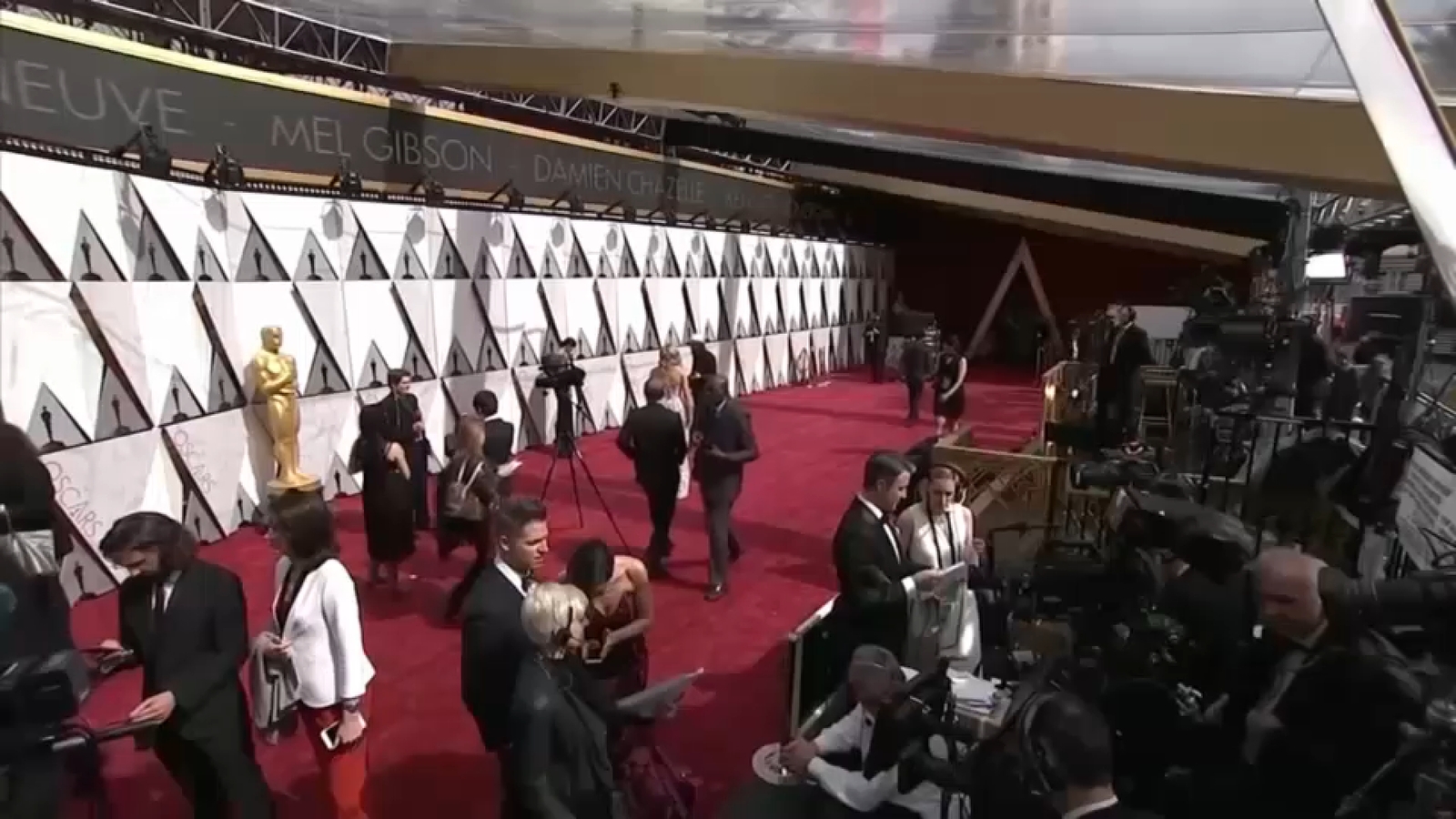
The annual Academy Awards are renowned for celebrating cinematic achievement, but increasingly, the spectacle surrounding the event – particularly the red carpet – has become a significant cultural and economic force in its own right. What was once a simple pathway for stars to enter the Dolby Theatre has transformed into a meticulously orchestrated marketing platform, where fashion houses, jewelry brands and even emerging companies vie for visibility and influence. The gowns, the jewels, the carefully curated appearances – all are part of a complex web of contracts and endorsements that generate substantial revenue and shape consumer trends. The influence extends far beyond Hollywood, impacting global fashion and marketing strategies.
The Oscars red carpet represents a unique convergence of entertainment and commerce. While the awards themselves honor artistic merit, the red carpet serves as a high-profile launchpad for brands seeking to connect with a vast and engaged audience. The value of a single appearance by a celebrity wearing a particular designer can be astronomical, potentially reaching hundreds of thousands of dollars in earned media exposure. This has led to a sophisticated system of agreements, where celebrities are often compensated by brands to wear their designs, creating a symbiotic relationship that benefits both parties. The entire process, from initial design concepts to post-event social media coverage, is a carefully calculated marketing strategy.
From Reluctant Acceptance to Full Embrace: The Evolution of Red Carpet Branding
The relationship between high fashion and the Oscars red carpet wasn’t always so seamless. Historically, many European designers viewed dressing celebrities for the event as somewhat beneath them. As industry expert Joe Zee noted, designers in Paris, London, and Milan initially considered it “very low class” to dress celebrities for the Oscars. This sentiment began to shift dramatically in 1997 with Nicole Kidman’s iconic appearance wearing a John Galliano for Dior runway look. This moment, widely considered a turning point, demonstrated the immense promotional power of the red carpet.
Kidman’s choice wasn’t simply a matter of personal style; it was a strategic partnership that showcased Dior’s latest collection to a global audience. The resulting media coverage and consumer interest were substantial, proving the potential for significant return on investment. Following this event, designers across Europe began to recognize the “business capabilities” of red carpet placements, leading to an explosion in brand involvement. The Oscars red carpet quickly evolved from a relatively uncommercialized space to a fiercely competitive arena for fashion brands.
The Economics of the Red Carpet: A Multi-Million Dollar Industry
Today, the financial stakes surrounding the Oscars red carpet are incredibly high. Industry sources estimate that a dress worn on the red carpet can be worth anywhere from $150,000 to $500,000 in terms of media exposure and brand visibility. This valuation takes into account not only the cost of the garment itself but also the potential for increased sales, brand awareness, and social media engagement. Celebrities are often directly compensated for wearing specific brands, with fees varying depending on their profile and the prominence of the brand.
The economic impact extends beyond fashion. Jewelry, beauty products, and accessories also benefit from red carpet exposure. Brands often loan valuable pieces to celebrities, knowing that a single photograph can generate millions of dollars in publicity. The entire ecosystem surrounding the red carpet – stylists, publicists, designers, and marketing agencies – contributes to a multi-million dollar industry that operates on a scale few fully appreciate. Liza Soluti, co-founder and chief communications officer of Shadow, emphasizes that the red carpet is “one of the most important marketing machines that exists,” with contracts and agreements shaping nearly every aspect of the event.
The Power of Social Media: Amplifying the Red Carpet’s Reach
The rise of social media has dramatically amplified the impact of the Oscars red carpet. Platforms like Instagram, X (formerly Twitter), and TikTok have transformed the event into a real-time, interactive experience, allowing audiences around the world to engage with the fashion and celebrity moments as they unfold. Last year alone, the Oscars generated over $1 billion in impressions across social media platforms, demonstrating the event’s immense reach and influence.
Social media also allows for immediate feedback and analysis of red carpet looks. Fashion critics, bloggers, and everyday viewers dissect every detail, creating a constant stream of commentary and discussion. This heightened level of scrutiny has further incentivized brands and celebrities to carefully curate their red carpet appearances, ensuring maximum impact and positive reception. The ability to track social media engagement in real-time provides valuable data for brands, allowing them to measure the effectiveness of their red carpet investments.
Beyond the Gowns: The Broader Implications of Red Carpet Marketing
The increasing commercialization of the Oscars red carpet raises questions about the authenticity of celebrity style and the influence of marketing on cultural trends. While some argue that these partnerships are a natural evolution of the entertainment industry, others express concern that they prioritize profit over artistic expression. The lines between genuine personal style and paid endorsements are becoming increasingly blurred, making it difficult for consumers to discern what is authentic and what is simply a marketing ploy.
However, the red carpet also provides a platform for emerging designers and brands to gain exposure. By dressing a high-profile celebrity, a smaller brand can reach a global audience and establish itself within the competitive fashion industry. This can lead to increased sales, brand recognition, and opportunities for growth. The Oscars red carpet, represents a complex interplay of commerce, creativity, and cultural influence, with far-reaching implications for the entertainment and fashion industries.
Key Takeaways
- The Oscars red carpet has evolved into a major marketing platform, generating millions of dollars in revenue for brands.
- The turning point in this evolution was Nicole Kidman’s 1997 appearance wearing John Galliano for Dior.
- Social media has significantly amplified the reach and impact of the red carpet, creating a real-time, interactive experience.
- The commercialization of the red carpet raises questions about authenticity and the influence of marketing on celebrity style.
As the 98th Academy Awards approach, hosted by Conan O’Brien on March 15th on ABC and Hulu, the red carpet is poised to once again take center stage. The event will undoubtedly generate significant media coverage and social media buzz, further solidifying its position as a key marketing event in the global entertainment calendar. Viewers can tune in to ABC’s live pre-show, “On The Red Carpet at the Oscars,” beginning at 3:30 p.m. ET/12:30 p.m. PT for live interviews and fashion analysis.
What are your thoughts on the increasing commercialization of the Oscars red carpet? Share your opinions in the comments below, and don’t forget to share this article with your friends and colleagues.
Worth a look