The foods we consume play a critical role in maintaining overall health, and increasingly, research highlights the profound impact diet has on the pancreas. Recent discussions, sparked by a video from Korean medical specialist Dr. Iwonkyung Lee, have brought attention to specific foods that may pose a significant risk to pancreatic health, even exceeding the dangers associated with excessive sugar intake. This has prompted a renewed focus on dietary choices and their potential link to conditions like diabetes and pancreatic cancer. Understanding which foods to limit—and why—is a crucial step towards proactive health management.
The pancreas, a vital organ responsible for producing enzymes that aid digestion and hormones that regulate blood sugar, is surprisingly vulnerable to dietary influences. Dr. Lee’s analysis, shared on his YouTube channel ‘Iwonkyung’s Medical Common Sense,’ points to a concerning trend: a 19% increase in diabetes diagnoses over the past five years. He attributes this, in part, to the prevalence of diets high in sugar, salt, and spice – characteristics common in many Korean dishes, but increasingly prevalent globally. The core message is clear: while many focus on limiting sugar, other seemingly innocuous foods may pose an even greater threat to this essential organ.
The Link Between Sugar and Pancreatic Health
Dr. Lee emphasizes the strong correlation between sugar consumption and the development of both diabetes and pancreatic cancer. He argues that long-term, excessive sugar intake isn’t just a risk factor for metabolic disorders; it can actively contribute to the development of cancerous cells within the pancreas. While the exact mechanisms are still being investigated, research suggests that high sugar levels can lead to chronic inflammation and insulin resistance, both of which are implicated in cancer development. The National Cancer Institute provides comprehensive information on the link between diet and cancer risk, including the role of sugar.
Four Foods to Limit for Optimal Pancreatic Health
According to Dr. Lee, four foods stand out as particularly detrimental to pancreatic health. These aren’t necessarily foods to eliminate entirely, but rather those to consume in moderation, or to seek healthier alternatives for.
1. Rice Cakes (Tteok)
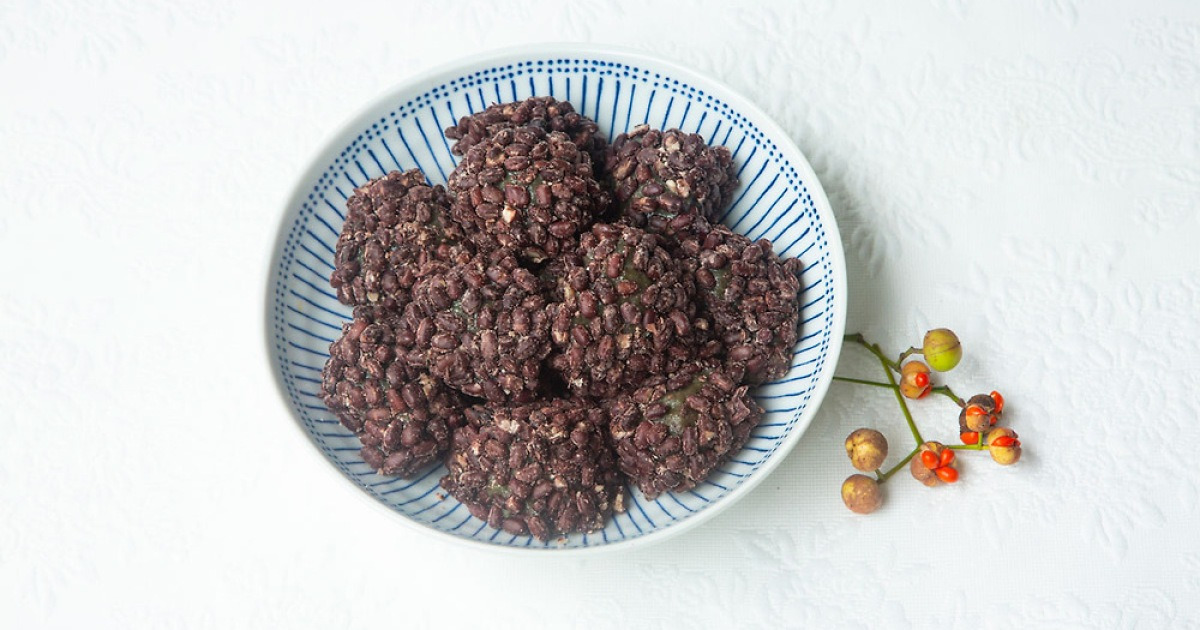
A staple in Korean cuisine, rice cakes, or tteok, are identified as a primary culprit in pancreatic damage. Dr. Lee explains that these traditional treats are primarily composed of refined carbohydrates, leading to rapid spikes in blood sugar levels. This sudden surge forces the pancreas to work overtime to produce insulin, potentially leading to exhaustion and eventual dysfunction. For those who enjoy rice cakes, opting for versions made with brown rice can be a healthier alternative, as brown rice has a lower glycemic index and a higher fiber content. Brown rice is approximately 20% lower on the glycemic index compared to white rice, and contains significantly more dietary fiber, as noted in studies on carbohydrate metabolism.
2. Kimchi Rice Rolls (Kimbap)
While often considered a convenient and relatively healthy meal, kimbap – Korean seaweed rice rolls – can also be problematic. Dr. Lee points out that the rice used in commercially prepared kimbap is frequently seasoned with significant amounts of sugar. This added sugar, combined with the refined carbohydrates already present in white rice, exacerbates the blood sugar spike effect. A single kimbap roll typically contains 450-600 calories, and the addition of ingredients like tuna and cheese can further increase the caloric content. Choosing kimbap made with brown rice and minimal added sugar is a more pancreatic-friendly option.
3. Instant Coffee Mixes
The daily habit of consuming instant coffee mixes, particularly those containing sugar and creamer, is flagged as a potential health risk. Dr. Lee warns that regular consumption can contribute to both high cholesterol and diabetes. He raises concerns about the potential exposure to microplastics when consuming these mixes from paper cups. Instant coffee mixes are often high in added sugars and fats, contributing to rapid blood sugar increases. If instant coffee is a necessity, pairing it with a handful of nuts can help unhurried down sugar absorption.
4. Fruit Juices
Despite being widely perceived as healthy, fruit juices are identified as a significant contributor to pancreatic stress. Dr. Lee explains that the process of juicing removes the fiber content of the fruit, allowing sugar to be absorbed directly into the bloodstream, causing a rapid blood sugar spike. A study conducted by the National Institute of Food and Nutrition at Kongju National University analyzed 925 beverages sold in South Korea and found an average sugar content of 15.4 grams per serving. Fruit juice had the highest sugar content per 100mL, at 10.6g, followed by fruit and vegetable beverages at 9.2g. Choosing whole fruits over juice allows for the benefits of fiber, which slows down sugar absorption and promotes digestive health.
Understanding the Importance of a Balanced Diet
The recommendations from Dr. Lee underscore the importance of a balanced diet for maintaining pancreatic health. While these four foods are highlighted as particularly problematic, the overall dietary pattern plays a crucial role. A diet rich in whole, unprocessed foods, including fruits, vegetables, lean proteins, and whole grains, provides the nutrients necessary for optimal pancreatic function. Limiting processed foods, sugary drinks, and excessive amounts of refined carbohydrates is essential for reducing the risk of pancreatic disease.
Beyond dietary choices, maintaining a healthy weight, engaging in regular physical activity, and avoiding smoking are also critical factors in protecting pancreatic health. Early detection of pancreatic cancer is often challenging, as symptoms can be vague and non-specific. Being aware of potential risk factors and adopting a proactive approach to health can significantly improve outcomes.
Key Takeaways
- Limit Refined Carbohydrates: Foods like white rice, rice cakes, and sugary kimbap can cause rapid blood sugar spikes, stressing the pancreas.
- Be Mindful of Hidden Sugars: Instant coffee mixes and fruit juices often contain surprisingly high levels of added sugar.
- Prioritize Whole Foods: Focus on a diet rich in fruits, vegetables, lean proteins, and whole grains.
- Consider Alternatives: Opt for brown rice over white rice, whole fruits over juice, and unsweetened beverages.
Protecting your pancreatic health is an ongoing process that requires conscious dietary choices and a commitment to a healthy lifestyle. By understanding the potential risks associated with certain foods and adopting a balanced approach to nutrition, you can significantly reduce your risk of developing pancreatic disease and promote long-term well-being. For more information on pancreatic health and cancer prevention, consult with a healthcare professional or visit the Pancreatic Cancer Action Network.
As research continues to unravel the complex relationship between diet and pancreatic health, staying informed and making informed choices is paramount. Keep an eye out for further updates from medical professionals and organizations dedicated to pancreatic cancer research and prevention.