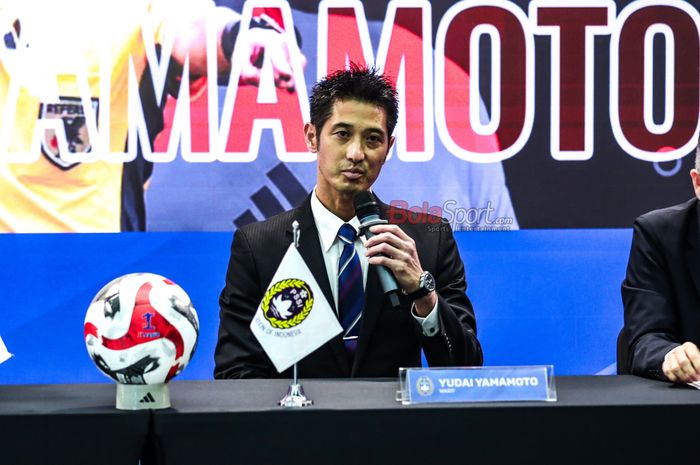
The introduction of foreign referees to the Indonesian Super League (BRI Super League) in 2025-2026 has been met with a wave of controversy, centering on the performance of Japanese referee Yudai Yamamoto. While intended to elevate the standard of officiating, Yamamoto’s decisions have increasingly drawn criticism from coaches, players, and fans, sparking debate about fairness and the impact on match outcomes. The situation highlights the challenges of integrating international officials into a new league and the pressures they face in a highly competitive environment.
Yamamoto’s arrival marked a significant moment for Indonesian football. In December 2025, it was announced that he had signed a full-time contract to officiate in the BRI Super League, a first for a foreign referee in the country. According to Suara.com, the decision stemmed from Yamamoto’s desire to gain international experience and his appreciation for the warmth of the Indonesian people. He expressed his commitment to leveraging his experience in the J-League to improve the quality of Indonesian football. This initial optimism, but, has been increasingly overshadowed by concerns over his on-field decisions.
Rising Criticism and Controversial Calls
Recent weeks have seen a surge in criticism directed at Yamamoto, with several high-profile incidents fueling the controversy. The most recent wave of complaints originated following a match between Arema FC and Bhayangkara FC on March 10, 2026, which Bhayangkara FC won 2-1. Arema FC’s coach, Marcos Santos, publicly voiced his frustration with Yamamoto’s officiating, specifically citing questionable decisions regarding two red cards issued to Arema players – Pablo Oliveira (45+8’) and Dalberto (70’). Santos reportedly felt the dismissals were unjust and significantly impacted the outcome of the match.
Santos’s criticism didn’t conclude with the red cards. He also reportedly expressed dissatisfaction with other calls made during the game, suggesting a pattern of inconsistent decision-making. Further exacerbating the situation, Santos claimed that another Arema FC player, Matheus Blade, received a red card *after* the final whistle for protesting the referee’s decisions, highlighting a perceived overreaction from Yamamoto to player dissent. This series of events has led to accusations of bias and a lack of understanding of the nuances of Indonesian football.
Yamamoto’s Background and Initial Expectations
Yudai Yamamoto is a seasoned referee with extensive experience in Asian football, particularly in Japan. He has officiated 485 matches, spanning from the second to the top tier of Japanese football, according to Suara.com. His appointment was seen as a positive step towards improving the standard of refereeing in the BRI Super League, with hopes that his experience and impartiality would contribute to fairer and more consistent officiating. Prior to his full-time contract, Yamamoto had already officiated five matches in Indonesia, providing him with some initial exposure to the league’s dynamics.
However, the transition hasn’t been seamless. Yamamoto himself acknowledged differences between officiating in Indonesia, and Japan. As reported by Voi.id, he noted that while the performance of local Indonesian referees is improving, inconsistency in decision-making, particularly within the penalty area, remains a significant issue. He observed that these inconsistencies often lead to disputes and strong protests from players, a contrast to the more consistent approach he’s accustomed to in the J-League. Yamamoto expressed a desire to help bring more order and consistency to the Indonesian game, but his own decisions are now under intense scrutiny.
Concerns About Consistency and Impact on the League
The core of the criticism leveled against Yamamoto revolves around the perception of inconsistency. Coaches and fans alike are questioning whether his decisions are being applied uniformly, leading to accusations of unfairness and a potential erosion of trust in the officiating process. What we have is particularly sensitive in a league where matches are often closely contested and decisions can have a significant impact on league standings and team morale. The controversy raises broader questions about the role of foreign referees in Indonesian football and whether their presence is truly contributing to the league’s development.
The debate extends beyond individual match incidents. Some observers argue that Yamamoto’s strict interpretation of the rules, while potentially well-intentioned, may not align with the more physical and passionate style of play prevalent in Indonesian football. This cultural difference in how the game is played and officiated could be contributing to the misunderstandings and frustrations. The increased attention on Yamamoto’s decisions is placing additional pressure on him, potentially exacerbating any existing challenges.
The J-League Comparison
Yamamoto’s own comparison of officiating standards between Indonesia and Japan has inadvertently fueled the controversy. His observation that referees in the J-League are more consistent, particularly in the penalty area, has been interpreted by some as a subtle critique of Indonesian referees and a justification for his own decisions. This has led to accusations that he is holding Indonesian players to a different standard than their Japanese counterparts. The situation underscores the complexities of cross-cultural officiating and the importance of sensitivity to local playing styles and expectations.
Looking Ahead: Addressing the Concerns
The controversy surrounding Yudai Yamamoto’s officiating highlights the necessitate for open dialogue and constructive feedback between the referee, coaches, players, and league officials. Addressing the concerns requires a multi-faceted approach, including clear communication of expectations, ongoing training and development for both foreign and local referees, and a commitment to transparency in the decision-making process. The Indonesian Football Association (PSSI) and the BRI Super League management will likely need to play a key role in mediating the situation and ensuring that all stakeholders feel heard.
It’s also crucial to consider the long-term impact of this controversy on the league’s reputation and its ability to attract and retain talent. If players and coaches lose confidence in the fairness of officiating, it could lead to a decline in the quality of play and a decrease in fan engagement. Maintaining the integrity of the game is paramount, and addressing the concerns surrounding Yamamoto’s performance is essential to achieving that goal.
The BRI Super League 2025/2026 season is scheduled to conclude in May 2026, according to HVSMedia.id. The coming months will be critical in determining whether Yamamoto can regain the trust of the Indonesian football community and fulfill his initial promise of improving the standard of officiating. The PSSI is expected to review Yamamoto’s performance at the end of his 1.5-season contract, and the outcome of that review will likely shape the future of foreign refereeing in the league.
What are your thoughts on the controversy surrounding Yudai Yamamoto’s officiating? Share your opinions and insights in the comments below. Don’t forget to share this article with your fellow football fans to continue the conversation.
- Lillestrøm Avoids Heavyweights in Favorable Europa League Play-Off Draw
- Norwich City, Swansea City and Sunderland Announce New Strategic Commercial Partnerships
- Why Rec League Sports Build Stronger Bones Than Weightlifting (newsdirectory3.com)
- Egyptian Clubs Association Uses AI for 2026-27 ORA League Draw (archyworldys.com)