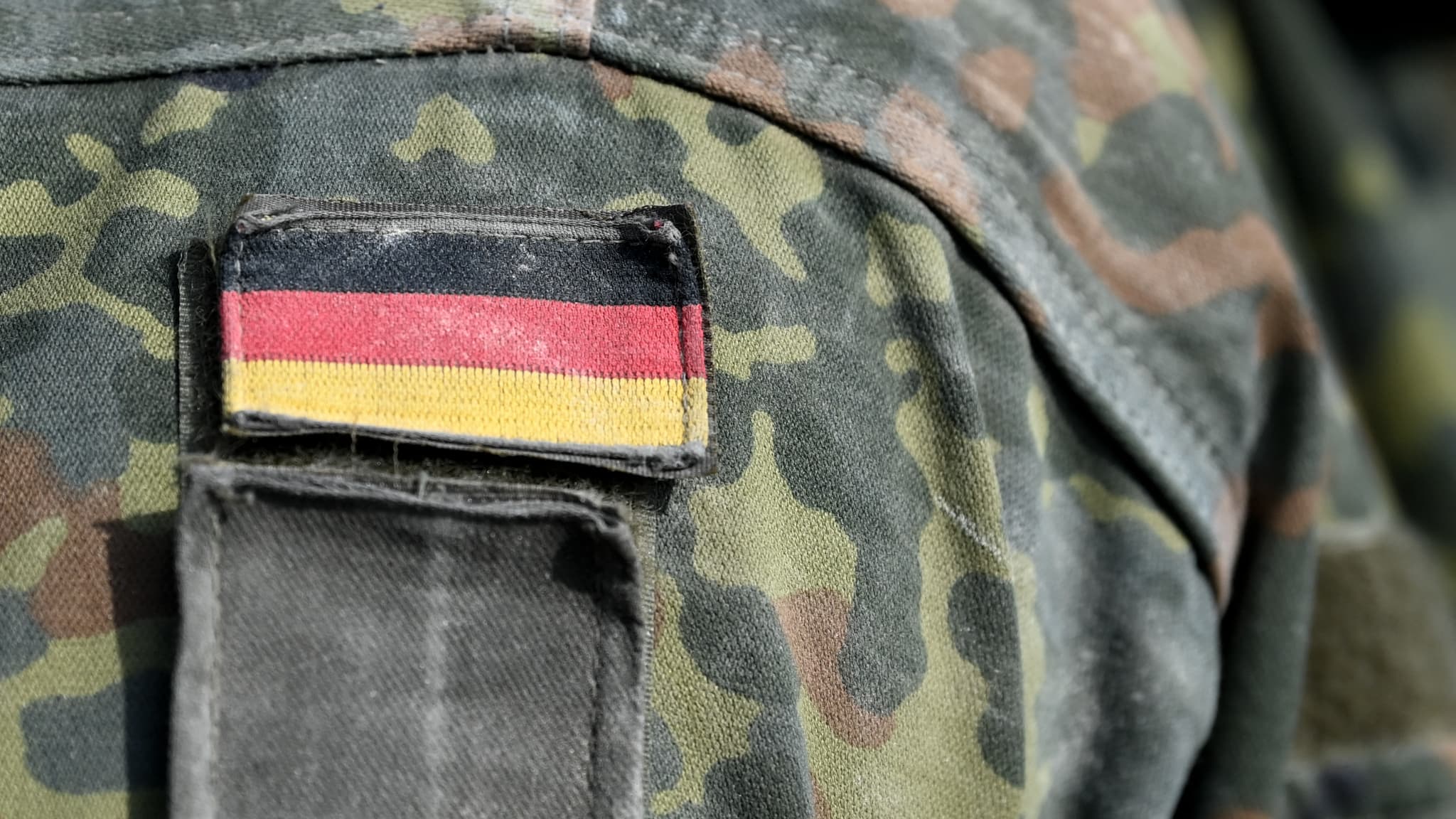
Ukraine to Train German Soldiers in Counter-Russia Tactics
In a significant shift in European defense strategy, Ukraine will begin training German soldiers on the intricacies of fighting against Russia, reflecting a growing acknowledgment of Kyiv’s hard-won battlefield experience. The move, announced by German Army Chief Lieutenant General Christian Freuding, underscores a recognition that Ukraine’s military is uniquely positioned to prepare NATO allies for potential conflict with Moscow. This development comes as concerns mount over Russia’s potential aggression towards the alliance, with intelligence assessments suggesting a possible large-scale attack by 2029.
The agreement, finalized last month, will spot Ukrainian military instructors deployed to German army schools to share their expertise gained from over two years of active combat against Russian forces. Freuding stated, “The Ukrainian army is currently the only one in the world with frontline experience against Russia,” a sentiment that highlights the value placed on Kyiv’s practical knowledge. This represents a reversal of roles, as Western nations have historically provided training and support to the Ukrainian armed forces. The initiative aims to bolster Germany’s defense capabilities and ensure This proves prepared to defend against a potential Russian attack targeting NATO, a scenario that German intelligence agencies and Western allies are taking increasingly seriously.
The training will focus on critical areas of modern warfare, including artillery, engineering, armored operations, drone technology and command and control. Freuding emphasized the urgency of the situation, stating, “It’s almost the day after tomorrow. We don’t have time: the enemy isn’t waiting for us to declare that we are ready. We must employ all possibilities to prepare.” This sense of urgency is driven by assessments that Russia could be prepared for a large-scale offensive against NATO within the next seven years. Germany is the first nation to formalize such an agreement with Ukraine, but Freuding anticipates that other countries will follow suit, recognizing the unique value of Ukrainian battlefield expertise.
A Partnership Forged in Conflict
This collaboration marks a “partnership on an equal footing,” according to Freuding, signaling a new level of security cooperation between Germany and Ukraine. The decision to seek training from Ukraine also reflects a broader trend of Western nations learning from Kyiv’s experiences. Ukrainian President Volodymyr Zelenskyy recently pledged assistance to the United States in countering Iranian drones in the Middle East, demonstrating Ukraine’s growing role as a provider of security expertise on the global stage.
The shift in dynamics is particularly notable given the extensive military aid and training provided to Ukraine by Western countries since the start of the full-scale Russian invasion in February 2022. Countries like Germany, the United States, and the United Kingdom have supplied Ukraine with billions of dollars in military equipment and training programs. Now, the tables are turning, with Ukraine offering its expertise back to its allies. This reciprocal relationship underscores the evolving nature of the conflict and the recognition that Ukraine has become a crucial source of knowledge in countering Russian military tactics.
Freuding, who previously coordinated Germany’s arms deliveries to Ukraine, highlighted the importance of leveraging this experience. His assessment is based on evaluations from German and Western intelligence agencies regarding Russia’s potential for aggression. While Russia maintains it has no intention of attacking NATO, the alliance remains vigilant and is taking steps to enhance its defensive capabilities.
Broader European Security Concerns
The move to seek Ukrainian training comes amid ongoing debate within Germany regarding its role in bolstering European security. Discussions have centered on the possibility of deploying troops to Ukraine to provide security guarantees in the event of a peace agreement with Russia, a proposal that has sparked considerable controversy. According to a report by Deutsche Welle, public opinion in Germany is largely opposed to deploying troops to Ukraine.
Chancellor Olaf Scholz has emphasized the require for Europe to take responsibility for providing security guarantees to Ukraine, a sentiment echoed by U.S. Officials. But, Berlin remains cautious about direct military intervention in Ukraine. Moscow has warned that the deployment of European forces in Ukraine would be “totally unacceptable,” further complicating the situation. The ongoing impasse in peace negotiations and continued Russian military advances in eastern Ukraine add to the urgency of finding a sustainable security solution.
The German government has pledged to maintain its annual commitment of €9 billion in aid to Ukraine, demonstrating its continued support for Kyiv. This financial assistance, coupled with the new training initiative, reflects Germany’s commitment to bolstering Ukraine’s defense capabilities and contributing to broader European security. The situation remains fluid, and the potential for escalation remains a significant concern for NATO and its allies.
Ukrainian Expertise in Demand
The Ukrainian military’s expertise extends beyond conventional warfare to include specialized areas such as drone warfare and electronic warfare, skills honed through years of confronting Russian tactics. The training program will equip German soldiers with practical knowledge in these areas, enhancing their ability to counter emerging threats. The focus on command and control is also crucial, as it will help German forces improve their coordination and decision-making processes in a complex battlefield environment.
This initiative is not limited to Germany. President Zelenskyy has indicated Ukraine’s willingness to share its expertise with other nations facing similar security challenges. The offer of assistance to the United States in countering Iranian drones highlights Ukraine’s growing role as a global security partner. The demand for Ukrainian military expertise is likely to increase as countries around the world seek to enhance their defense capabilities in response to evolving geopolitical threats.
The partnership between Germany and Ukraine represents a significant turning point in European security cooperation. It demonstrates a willingness to learn from each other and to adapt to the changing realities of the modern battlefield. As Russia continues to pose a threat to regional stability, the collaboration between Ukraine and its allies will be crucial in deterring further aggression and safeguarding peace.
Key Takeaways
- Ukraine will train German soldiers in counter-Russia tactics, recognizing Kyiv’s unique frontline experience.
- The initiative aims to prepare Germany for a potential Russian attack on NATO by 2029, based on intelligence assessments.
- This represents a shift in roles, with Ukraine now providing training to nations that have historically supported its military.
- The training will focus on critical areas such as artillery, drones, and command and control.
- The partnership underscores the growing importance of Ukraine as a global security partner.
The next step in this evolving security landscape will be the implementation of the training program in German army schools, with the first Ukrainian instructors expected to begin their assignments in the coming weeks. Continued monitoring of the security situation in Eastern Europe and ongoing dialogue between NATO allies will be essential to ensure a coordinated and effective response to potential threats. Readers interested in further updates on this developing story are encouraged to follow World Today Journal for ongoing coverage.
Keep reading