Unlocking Capital: Tokenized Stocks Offer New Avenues for Debt Management
For investors holding substantial assets like stocks, the dilemma of balancing long-term investment goals with immediate financial needs – such as high-interest debt – is a common one. The prospect of selling appreciated assets to cover liabilities can be unappealing, particularly when facing significant tax implications or a belief in the asset’s future growth. Now, a burgeoning financial innovation, fueled by blockchain technology, is offering a potential solution: tokenized stocks. This emerging market allows investors to leverage the value of their holdings without actually selling them, opening up new possibilities for debt consolidation and financial flexibility.
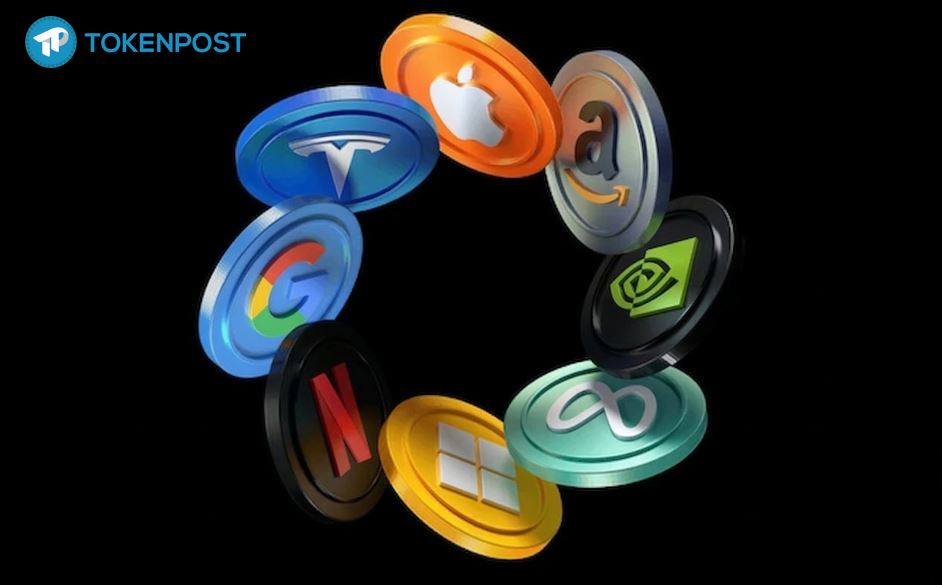
The concept revolves around transforming traditional stocks, like those of Tesla or Nvidia, into digital tokens on a blockchain. This process, known as tokenization, doesn’t alter the underlying ownership of the stock but creates a digital representation that can be traded and used within the decentralized finance (DeFi) ecosystem. Crucially, these tokens can then be used as collateral to secure loans at potentially far more favorable rates than those typically associated with credit card debt or other high-interest financing options.
What are Tokenized Stocks?
Tokenized equity, as the practice is known, essentially involves converting shares of publicly traded companies into blockchain-based tokens. These tokens represent ownership in the original asset – for example, a share of Tesla – but exist on a distributed ledger, offering increased transparency and accessibility. According to a report by TokenPost, this allows investors to “free up” their capital without triggering a taxable event associated with selling the underlying stock. The tokens can then be utilized within the DeFi space, opening doors to lending, borrowing and other financial applications. It’s akin to giving a ‘digital wing’ to traditional stock ownership, as described by the source.
The appeal lies in the potential for arbitrage. As highlighted by TokenPost, an investor holding $100,000 worth of Tesla stock and burdened with $20,000 in credit card debt could potentially borrow funds at an annual interest rate of 4-5% using their tokenized stock as collateral, and then leverage those funds to pay off the higher-interest credit card debt. This strategy can result in significant savings, effectively creating a “financial arbitrage” opportunity.
Growth and Regulatory Shifts in the Tokenized Stock Market
The tokenized securities market has experienced rapid growth. TokenPost reports a 271% surge, indicating increasing investor interest and adoption. This growth is being further fueled by evolving regulatory landscapes, particularly in the United States. The U.S. Securities and Exchange Commission (SEC) is currently considering policies that would allow blockchain-based stock trading and significantly ease regulations surrounding virtual asset custody, as reported by the Maeil Business Newspaper.
This potential shift in SEC policy is not without its detractors. Traditional Wall Street firms are reportedly pushing back against the proposed changes, fearing market disruption. The Maeil Business Newspaper notes that these firms anticipate potential “market confusion” if the SEC moves forward with its plans. However, the SEC’s consideration of these changes signals a growing acceptance of blockchain technology within the financial industry and a willingness to explore innovative approaches to securities trading.
The move towards allowing trading of tokenized stocks on platforms like Coinbase, as suggested by the SEC’s review, would provide investors with greater access and liquidity. Currently, tokenized stock trading is largely confined to exchanges operating outside the U.S., such as Bybit. Bringing this activity within a regulated U.S. Framework could unlock significant investment and innovation.
Beyond Tesla and Nvidia: The Broader Implications
While Tesla and Nvidia are frequently cited as examples of stocks being tokenized, the potential extends to a vast range of publicly traded companies. The ability to tokenize any equity asset opens up new possibilities for fractional ownership, increased market access, and enhanced liquidity. This could be particularly beneficial for investors in illiquid assets or those seeking to diversify their portfolios.
The concept isn’t limited to individual investors. Institutional investors could also leverage tokenized stocks to optimize their collateral management strategies and access new sources of funding. The increased transparency and efficiency offered by blockchain technology could streamline processes and reduce costs for all market participants.
Navigating the Risks and Future Outlook
Despite the potential benefits, the tokenized stock market is still in its early stages of development and carries inherent risks. Regulatory uncertainty remains a key concern, as the legal framework surrounding tokenized securities is still evolving. Investors should carefully consider the risks associated with DeFi platforms and the potential for smart contract vulnerabilities.
the valuation of tokenized stocks may be subject to volatility, particularly in the early stages of market adoption. Investors should conduct thorough due diligence and understand the underlying risks before investing in these assets. It’s crucial to remember that tokenized stocks are not risk-free and should be considered as part of a diversified investment portfolio.
Looking ahead, the future of tokenized stocks appears promising. As regulatory clarity emerges and the technology matures, we can expect to witness increased adoption and innovation in this space. The ability to unlock capital tied up in traditional assets, combined with the efficiency and transparency of blockchain technology, has the potential to reshape the financial landscape and empower investors with greater control over their financial futures.
The SEC’s ongoing review of regulations surrounding virtual asset custody and trading will be a pivotal moment for the industry. The outcome of this review will likely determine the pace of adoption and the extent to which tokenized stocks become a mainstream investment option. Investors and industry participants will be closely watching for further developments in the coming months.
Key Takeaways:
- Tokenized stocks allow investors to use their existing stock holdings as collateral for loans without selling the underlying assets.
- The SEC is considering regulatory changes that could facilitate the growth of the tokenized stock market in the United States.
- While offering potential benefits, tokenized stocks also carry risks related to regulatory uncertainty and smart contract vulnerabilities.
- The market has seen significant growth, with a 271% increase reported recently, indicating growing investor interest.
As the landscape of digital finance continues to evolve, tokenized stocks represent a compelling example of how blockchain technology can address real-world financial challenges. Stay tuned to World Today Journal for ongoing coverage of this dynamic and rapidly developing market.
Related reading