Spring Weather Brings Mixed Conditions to South Korea: Air Quality Concerns and Heavy Snowfall
South Korea is experiencing a period of fluctuating weather conditions as spring begins to seize hold. Although western regions enjoy relatively mild temperatures, air quality remains a concern. Simultaneously, the eastern part of the country is bracing for significant snowfall, with heavy accumulations expected in mountainous areas. The contrasting conditions highlight the dynamic weather patterns currently affecting the peninsula, requiring residents to take precautions related to both air pollution and winter weather hazards.
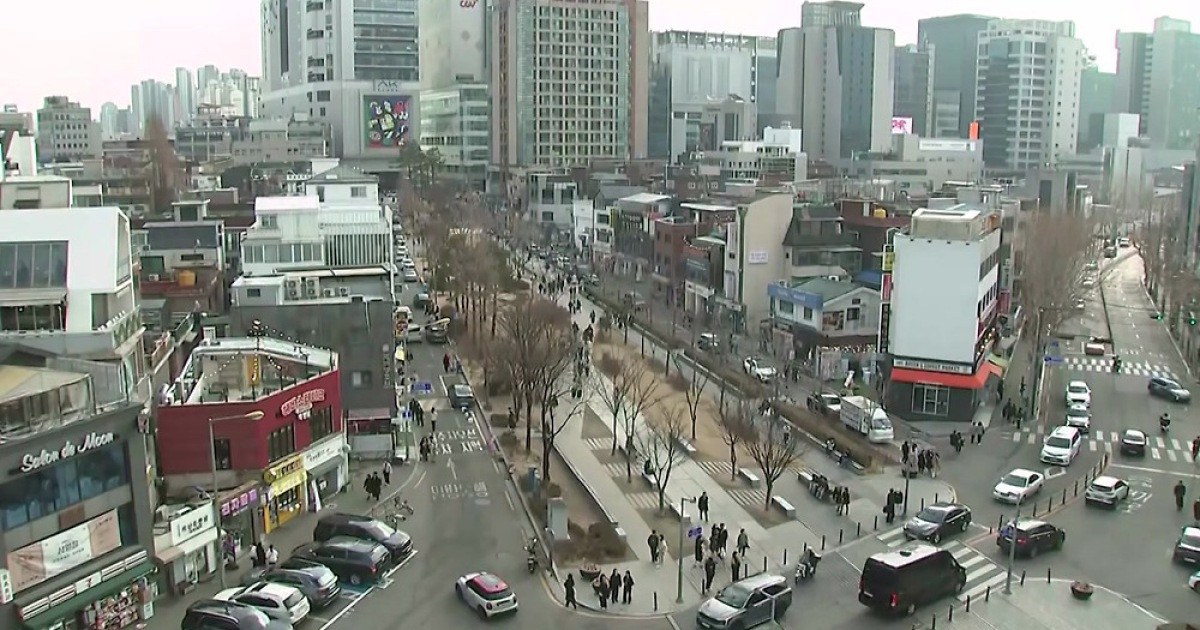
As of today, March 12, 2026, Seoul and other western areas are experiencing generally clear skies and warmer temperatures. The current temperature in Seoul is 11.4°C, approximately 5°C higher than the same time yesterday. This milder weather makes outdoor activities more comfortable, but residents are advised to be mindful of the significant temperature fluctuations between day and night, as well as elevated levels of fine particulate matter. The Korea Meteorological Administration (KMA) reports that daily temperature variations are a typical characteristic of spring weather in the region.
Air quality in the western part of the country is currently rated as “poor,” with elevated levels of fine dust. Individuals, particularly those with respiratory conditions, are urged to wear fine dust masks and limit strenuous outdoor activities. The Seoul Metropolitan Government provides real-time air quality information and forecasts on its website, Clean Air Seoul, offering detailed data on particulate matter concentrations and issuing alerts when levels exceed safe thresholds. The city is also implementing measures to mitigate air pollution, including restrictions on vehicle usage and emissions from industrial facilities.
Eastern Regions Face Heavy Snowfall and Strong Winds
In contrast to the west, eastern regions of South Korea are experiencing cloudy conditions and intermittent snowfall. While the total precipitation expected through tomorrow afternoon is not exceptionally high – ranging from 5 to 20mm – mountainous areas in Gangwon Province are under a heavy snow warning. Accumulations of up to 20cm or more are anticipated, with snowfall rates potentially reaching 5cm per hour at times.
The KMA warns that the heavy snowfall could be accompanied by thunder, strong winds, and graupel (soft hail), creating hazardous conditions for travel and outdoor activities. A heavy snow warning is currently in effect for the mountainous regions of Gangwon Province. The islands of Ulleungdo and Dokdo are also forecast to receive significant snowfall, with accumulations of up to 8cm expected. Northeastern mountainous areas of Gyeongbuk Province could see up to 5cm of snow.
Strong winds are also expected across eastern regions, with gusts reaching approximately 15 meters per second. Residents are advised to secure loose objects and take precautions to prevent accidents caused by flying debris. The KMA emphasizes the importance of checking weather forecasts and road conditions before traveling, particularly in mountainous areas.
Temperature Trends and Future Outlook
Today’s daytime high temperatures are expected to reach 14°C in Seoul, 12°C in Daegu, and 13°C in Jeonju, slightly above the average for this time of year. The KMA forecasts that this pattern of fluctuating temperatures and significant daily temperature swings will continue for the foreseeable future.
Looking ahead, the weather is expected to remain variable. While the current snowfall event in the east is expected to subside by tomorrow, the possibility of further precipitation remains. The KMA advises residents to stay informed about weather updates and to prepare for changing conditions. The fluctuating temperatures and potential for precipitation underscore the challenges of spring weather in South Korea, requiring adaptability and preparedness.
Impact on Daily Life and Safety Recommendations
The current weather conditions are impacting daily life across South Korea. The poor air quality in the west is prompting health advisories and encouraging residents to take precautions to protect their respiratory health. In the east, the heavy snowfall is disrupting transportation and creating hazardous conditions for outdoor activities.
Authorities are urging residents to take the following safety measures:
- Air Quality: Wear fine dust masks when outdoors, limit strenuous activities, and stay informed about air quality forecasts.
- Snowfall: Avoid unnecessary travel in mountainous areas, secure loose objects, and be aware of the risk of slippery roads and falling debris.
- Temperature Fluctuations: Dress in layers to adjust to changing temperatures and stay hydrated.
The Seoul Metropolitan Government has activated its emergency response plan for air pollution, which includes measures such as restricting vehicle usage and reducing emissions from industrial facilities. Local authorities in Gangwon Province are mobilizing resources to clear snow from roads and provide assistance to residents affected by the heavy snowfall.
The combination of mild temperatures in the west and heavy snowfall in the east presents a unique set of challenges for South Korea. By staying informed about the latest weather forecasts and taking appropriate precautions, residents can minimize the risks associated with these fluctuating conditions.
The next official update on the air quality situation in Seoul is scheduled for tomorrow morning, March 13, 2026, from the Seoul Metropolitan Government. Residents are encouraged to monitor the Clean Air Seoul website for the latest information. Share your thoughts and experiences with the current weather conditions in the comments below.
Keep reading