Deadly Israeli Strikes Target Beirut and Southern Lebanon, Escalating Regional Tensions
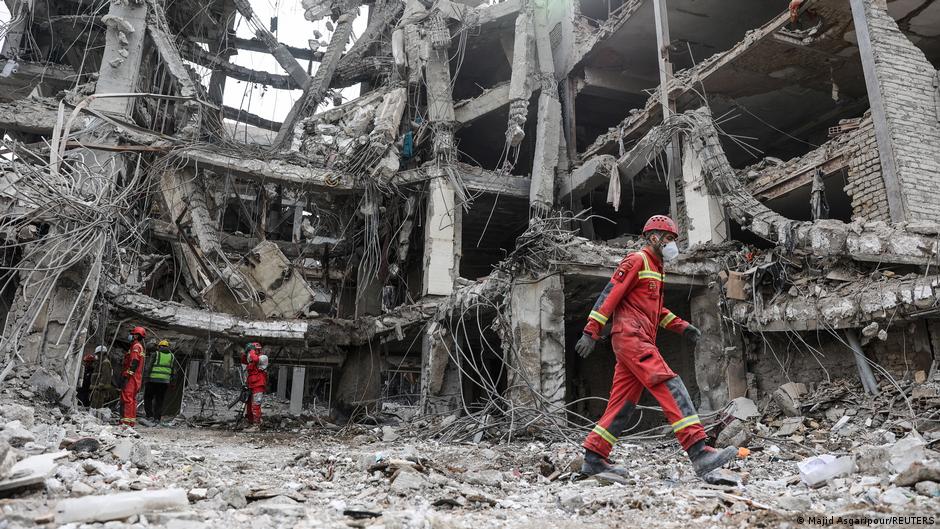
Beirut, Lebanon – A series of Israeli strikes on Thursday, March 12, 2026, resulted in at least 17 fatalities across Lebanon, marking a significant escalation in cross-border hostilities. The attacks, which targeted both the capital city of Beirut and areas in southern Lebanon, have raised concerns about a wider regional conflict. The most devastating strike occurred in the Ramlet al-Bayda area of Beirut, a coastal zone popular with tourists and, increasingly, with Lebanese citizens displaced by ongoing conflict. Eight people were killed and 31 injured in that single attack, according to the Lebanese Emergency Operations Center, part of the Ministry of Public Health. This represents the deadliest attack on Beirut since the current wave of aerial offensives began over ten days ago.
The strikes come amid heightened tensions between Israel and Hezbollah, the Iran-backed militant group operating in Lebanon. Hezbollah has been launching rockets and missiles into northern Israel, prompting retaliatory attacks. Israeli Defense Minister Israel Katz has warned of expanding operations and even the possibility of seizing territory in Lebanon if Hezbollah does not cease its attacks. “I warned the President of Lebanon that if the Lebanese government does not know how to control the territory and prevent Hezbollah from threatening northern communities and firing toward Israel — we will take the territory and do it ourselves,” Katz stated, according to reporting by Arab News. The Israeli military has also issued evacuation orders for residents in southern Lebanon, extending the warning to areas north of the Litani River, approximately 40 kilometers from the Israeli border.
Beirut Attack Targets Displaced Population
The attack in Ramlet al-Bayda specifically struck a car, according to reports from Agence France-Presse (AFP). The area has become a refuge for those displaced by fighting in southern Lebanon, exacerbating the humanitarian crisis. Witnesses described scenes of chaos and devastation. “We saw dead bodies on the ground,” said Aseel Habbaj, a displaced woman who had sought shelter in a nearby tent after fleeing bombardments elsewhere in Lebanon. “We were all sleeping in my tent when, suddenly, we heard a noise,” she recounted to AFP, adding that her husband was injured in a subsequent attack. Another resident, Dalal al-Sayed, explained that she and her family had chosen to camp by the sea because they could not afford alternative accommodation. “We will not abandon, we will stay here even if we die,” she declared.
This was the third strike to hit the heart of Beirut since the escalation of the conflict in the Middle East. Displaced individuals have been forced to sleep in the open or in makeshift tents along the streets of Beirut, including the coastal area of Ramlet al-Bayda. The vulnerability of these populations was tragically highlighted by Thursday’s attack, with some shelters directly impacted by shrapnel. The situation underscores the growing humanitarian concerns as the conflict intensifies and displaces more civilians.
Expanding Israeli Operations and Hezbollah Response
Beyond the attack in Ramlet al-Bayda, Israel also targeted the southern suburbs of Beirut, a known stronghold of Hezbollah. The Israeli military stated it had struck 10 Hezbollah targets in that area. Simultaneously, attacks were reported in Aramoun, a residential area south of Beirut, resulting in three deaths and one child injured, according to the Lebanese Ministry of Health. These strikes demonstrate a broadening of Israel’s operational focus, extending beyond traditional Hezbollah strongholds and impacting civilian areas.
Hezbollah, backed by Iran, has continued to launch rockets and missiles into Israel in response to the Israeli strikes. The group has not yet commented specifically on Thursday’s attacks in Beirut, but has previously stated its commitment to retaliating against Israeli aggression. The cycle of attacks and counter-attacks raises fears of a full-scale war between Israel and Hezbollah, a conflict that could have devastating consequences for both countries and the wider region. The potential for miscalculation and escalation remains high, particularly given the involvement of regional powers like Iran.
Regional Implications and International Response
The escalating conflict between Israel and Hezbollah is occurring against a backdrop of broader regional instability, including the ongoing war in Gaza. The situation in Lebanon adds another layer of complexity to an already volatile environment. The United States has urged both sides to exercise restraint and avoid further escalation, while also reaffirming Israel’s right to defend itself. But, the effectiveness of these calls for de-escalation remains uncertain. The international community is increasingly concerned about the humanitarian impact of the conflict and the potential for a wider regional war. The United Nations has called for a ceasefire and urged all parties to respect international law.
The situation in southern Lebanon is particularly precarious, with thousands of residents having been displaced by the fighting. The Lebanese government, already struggling with a severe economic crisis, is struggling to cope with the influx of displaced people and provide adequate assistance. The attacks on Beirut and the targeting of civilian areas, represent a dangerous escalation of the conflict and raise serious concerns about the protection of civilians. The coming days will be critical in determining whether the situation can be de-escalated or whether the region is heading towards a wider war.
As of this reporting, the Israeli military has not commented on the specific attacks in Beirut, but has confirmed its ongoing operations against Hezbollah targets. The Lebanese government has condemned the attacks and called for international intervention. The next significant development is expected to be a statement from Hezbollah regarding its response to the Israeli strikes. Further escalation appears likely unless a diplomatic solution can be found.
World Today Journal will continue to monitor the situation closely and provide updates as they become available. We encourage readers to share their thoughts and perspectives in the comments section below.
Keep reading