The ongoing delays in mammography screenings at the Hospital Virgen del Rocío in Seville, Spain, have brought renewed scrutiny to the Andalusian public healthcare system. An investigation, based on internal documents and professional testimonies, reveals that the issues have been building for years, with warnings dating back to 2023. The situation highlights a critical challenge facing healthcare systems globally: balancing demand with limited resources, particularly in preventative care like cancer screening.
The core of the problem, as identified by specialists within the breast unit at Virgen del Rocío, was an overwhelming workload that made it impossible to maintain a timely screening schedule. This wasn’t a sudden crisis, but a gradual escalation of demand outpacing capacity. The root cause, however, was a significant shortage of radiologists – the specialists crucial for interpreting mammograms and delivering diagnoses. This shortage isn’t unique to Andalusia; many countries are facing a deficit of trained radiologists, driven by factors like an aging workforce and increasing demand for imaging services.
A Rejected Plan for Increased Capacity
In 2023, specialists proposed a “plan de choque” – a rapid response plan – to address the growing backlog. This plan involved extending working hours and increasing the number of shifts, effectively utilizing existing staff more efficiently. However, according to reports, the proposal was rejected due to budgetary constraints and a lack of available personnel. This decision, now under intense public and political pressure, is at the center of the current controversy. The Andalusian regional government, led by Juanma Moreno, is facing criticism for allegedly prioritizing cost-cutting measures over patient care. Moreno welcomed 150 new residents to the Hospital Virgen del Rocío in 2024, stating that healthcare professionals are key to the future of the system and noting an increase in medical residents choosing to train in Andalusia – a 28% increase compared to 18% five years prior. Hospital Universitario Virgen del Rocío
The Impact on Patients: BI-RADS 3 Results
The consequences of the delays disproportionately affected women with BI-RADS 3 results. The BI-RADS (Breast Imaging-Reporting and Data System) is a standardized system used by radiologists to categorize mammogram findings. A BI-RADS 3 classification indicates a probably benign finding – a result that requires short-interval follow-up imaging to confirm stability. These patients don’t necessarily have cancer, but require monitoring to rule it out. The delays in follow-up screenings created a “limbo” for these women, with many waiting months, and in some cases over a year, for their crucial control tests. This prolonged uncertainty is not only emotionally distressing but similarly carries the risk of delayed diagnosis if a malignancy is present.
The scale of the impact is significant. According to figures released by the Junta de Andalucía, the delays prevented 2,317 women from receiving their timely follow-up tests. Worryingly, some of these patients were subsequently diagnosed with breast cancer, raising questions about whether earlier detection could have improved their prognosis. The Virgen del Rocío currently has over 550 residents in active training, supported by 180 tutors recognized as experts in their fields, including emergency medicine, internal medicine, and nursing. Hospital Universitario Virgen del Rocío
Understanding BI-RADS and the Importance of Follow-Up
The BI-RADS system is a crucial tool in breast cancer screening. It categorizes findings from 0 to 6, with higher numbers indicating a greater likelihood of malignancy. BI-RADS 3, even as not indicative of cancer, requires careful monitoring. Delaying this follow-up can have serious consequences. If a lesion is indeed cancerous, a delay in diagnosis can allow the tumor to grow and potentially spread, making treatment more challenging. Regular mammography screenings, combined with prompt follow-up of any suspicious findings, are essential for early detection and improved outcomes in breast cancer.
Broader Implications for Andalusian Healthcare
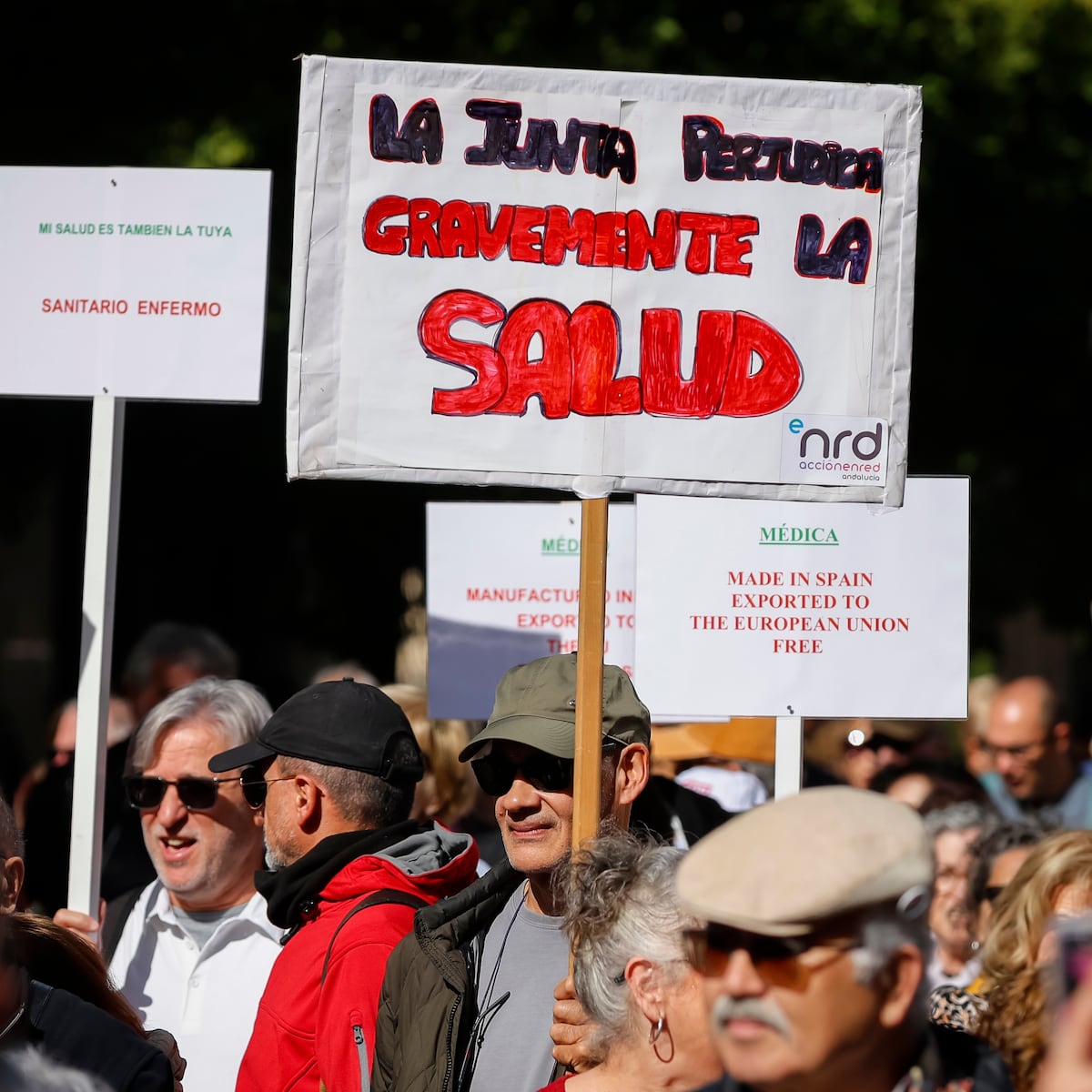
This situation at the Virgen del Rocío is not an isolated incident. It reflects broader challenges facing the Andalusian healthcare system, including budgetary pressures, staffing shortages, and increasing demand for services. The controversy has sparked protests and calls for increased investment in public healthcare. On January 30, 2026, President Moreno announced plans at the Virgen del Rocío, though details remain limited. La Opinión de Málaga
The Andalusian government has also recently inaugurated a new Short Hospitalization Unit at the Virgen del Rocío, alongside the General Hospital and Muñoz Cariñanos Hospital, demonstrating ongoing investment in infrastructure. Junta de Andalucía. However, critics argue that infrastructure improvements are insufficient without addressing the underlying issues of staffing and funding. The long-term solution requires a comprehensive strategy that prioritizes preventative care, invests in workforce development, and ensures adequate resources for the public healthcare system.
The case of the delayed mammograms at Virgen del Rocío serves as a stark reminder of the importance of timely access to healthcare services. It underscores the need for proactive planning, adequate resource allocation, and a commitment to prioritizing patient well-being. The situation also highlights the critical role of radiologists in the early detection of breast cancer and the potential consequences of workforce shortages in this vital specialty.
The Junta de Andalucía has not yet announced a specific timeline for addressing the backlog of mammograms or implementing a long-term solution to the radiologist shortage. Further updates are expected in the coming weeks as the regional government responds to mounting public pressure and calls for accountability. The situation remains fluid, and ongoing monitoring is crucial to ensure that women in Andalusia receive the timely and effective breast cancer screening they deserve.
What are your thoughts on this issue? Share your comments below, and please share this article with your network to raise awareness about the importance of preventative healthcare.
Related reading
- How to Prevent Sleep Disorders During Tropical Night Heatwaves
- Inside the Era of Sadaharu Oh as Daiei Hawks Manager: Struggles, Strategy, and Secrets
- Two Indonesian Ferry Disasters, 17 Days Apart, Same Old Warnings (daybreakwire.com)
- Age-Specific Incidence Rates of Heart Attack, Stroke, Hip Fracture, and Cancer in Men (archynewsy.com)