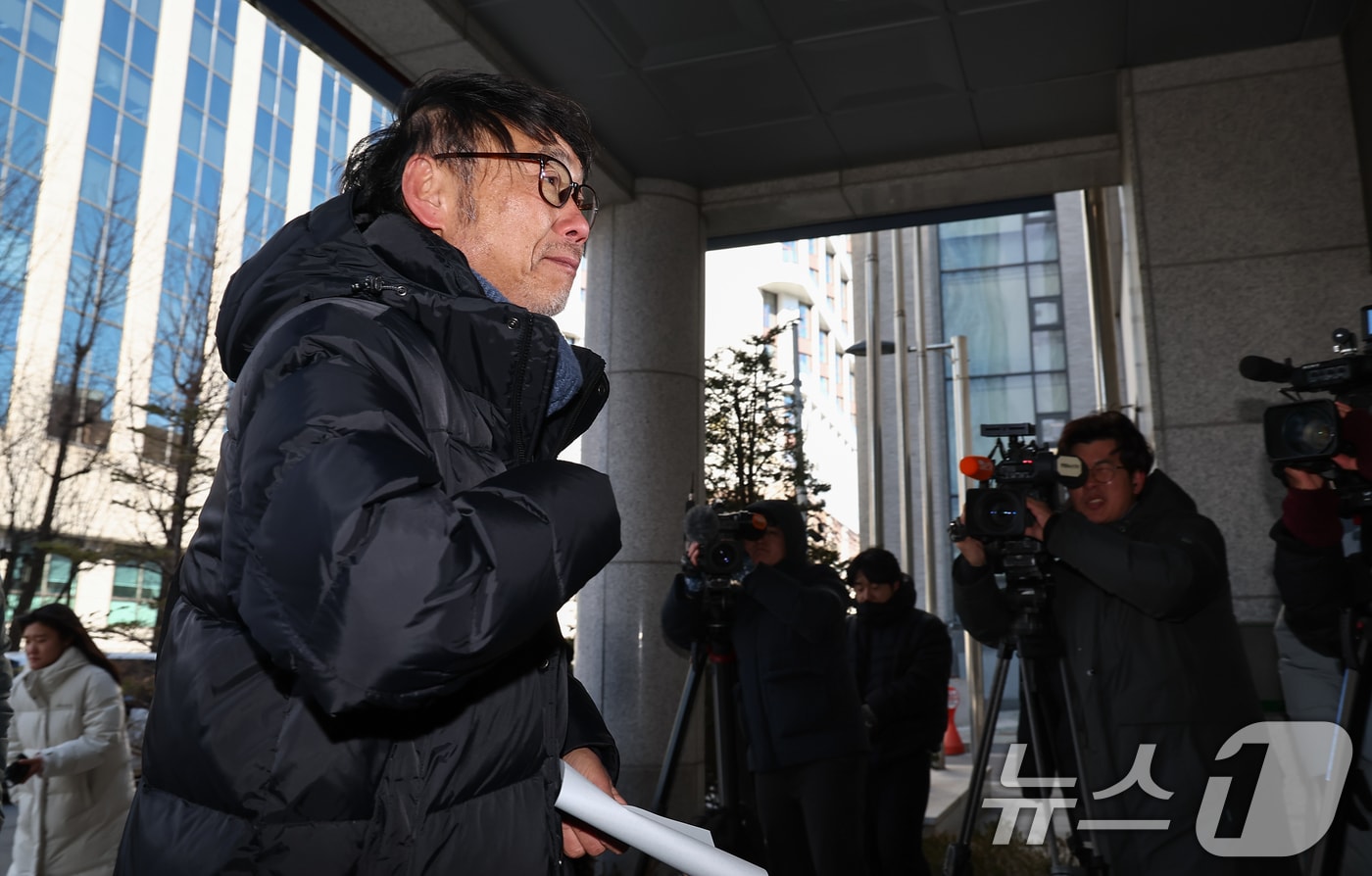
Seoul, South Korea – A citizens’ group, the People’s Living and Welfare Countermeasures Committee (서민위 – Seominwi), has filed a counter-complaint against lawyer Lee Byeong-cheol, who recently initiated legal action against Supreme Court Justice Cho Hee-dae. The counter-complaint, lodged with the Seoul Metropolitan Police Agency on March 13, 2026, alleges false accusation and defamation on the part of Lee, according to reports from News1 and Financial News.
The move comes after Lee filed a complaint against Justice Cho under the newly implemented “law distortion” statute – formally known as Article 123-2 of the Penal Code – on March 2nd. Lee’s complaint centered on Justice Cho’s involvement in a decision to send back to a lower court a case concerning alleged election law violations by President Lee Jae-myung. News1 reports that Seominwi argues Lee’s application of the law distortion statute was premature and failed to consider the possibility of its retroactive application being deemed unconstitutional.
Background: The “Law Distortion” Statute and Recent Legal Challenges
The “law distortion” statute, enacted earlier this year, criminalizes actions perceived as intentionally misinterpreting or distorting the law for personal or political gain. It has been a subject of considerable debate in South Korea, with critics arguing it could stifle judicial independence and freedom of legal interpretation. The law was passed as part of a broader set of judicial reforms, which have faced opposition from some legal circles. Financial News highlights the timing of this counter-complaint as directly linked to the initial complaint against Justice Cho, marking a significant early test of the latest law.
The case involving President Lee Jae-myung revolves around allegations of false statements made during his campaign. The Supreme Court’s decision to return the case to a lower court for reconsideration sparked controversy, with supporters of the President claiming political interference and opponents arguing for a fair and impartial legal process. The initial complaint by Lee Byeong-cheol specifically targeted Justice Cho and former court administrator Park Young-jae.
Seominwi’s Allegations Against Lee Byeong-cheol
Kim Soon-hwan, Secretary-General of Seominwi, stated that the counter-complaint against Lee Byeong-cheol is based on the belief that his initial complaint was filed without due consideration for the legal complexities surrounding the new law distortion statute. Specifically, Seominwi contends that Lee failed to adequately assess the potential for the statute to be deemed unconstitutional if applied retroactively. The group alleges that Lee acted with malicious intent, aiming to undermine the integrity of the judiciary.
The charges leveled against Lee include “false accusation” (무고 – mugo) and “defamation” (명예훼손 – myeongyehuison). Under South Korean law, a conviction for false accusation can result in imprisonment and/or a fine. Defamation carries similar penalties, depending on the severity of the alleged harm to the victim’s reputation. The Seoul Metropolitan Police Agency will now investigate the claims made by Seominwi.
The Role of the Seoul Metropolitan Police Agency
The Seoul Metropolitan Police Agency is responsible for investigating criminal allegations within the Seoul metropolitan area, which includes the capital city and surrounding regions. The agency will gather evidence, interview witnesses, and assess the validity of Seominwi’s claims against Lee Byeong-cheol. The investigation could grab several weeks or months to complete, after which the police will submit their findings to the prosecution.
Implications for Judicial Independence and Legal Debate
This escalating legal battle raises concerns about the potential for politicization of the judiciary and the chilling effect the “law distortion” statute might have on legal professionals. Critics fear that the law could be used to silence dissent and discourage lawyers from challenging established legal interpretations. The counter-complaint filed by Seominwi adds another layer of complexity to the situation, highlighting the deep divisions within South Korean society regarding judicial reform.
The outcome of both the investigation into Lee Byeong-cheol and the underlying case involving President Lee Jae-myung will likely have significant implications for the future of South Korean law and politics. The case is being closely watched by legal scholars, political analysts, and the public alike. The debate over the “law distortion” statute is expected to continue, with proponents arguing it is necessary to protect the integrity of the legal system and opponents warning of its potential to undermine judicial independence.
The legal proceedings are unfolding against a backdrop of broader social and political tensions in South Korea. Recent events, such as the ongoing discussions surrounding the Itaewon tragedy and concerns about fairness in education and employment, have fueled public discontent and calls for systemic change. The legal battles surrounding President Lee Jae-myung and Justice Cho Hee-dae are seen by some as emblematic of these wider societal challenges.
As of March 13, 2026, the Seoul Metropolitan Police Agency has confirmed receipt of the counter-complaint against Lee Byeong-cheol and has initiated a preliminary review of the allegations. Further updates on the investigation are expected in the coming weeks. The next step will be a formal investigation, including interviews with relevant parties and a review of evidence presented by both Seominwi and Lee Byeong-cheol.
This is a developing story, and World Today Journal will continue to provide updates as they become available. We encourage readers to share their thoughts and perspectives in the comments section below.
Worth a look