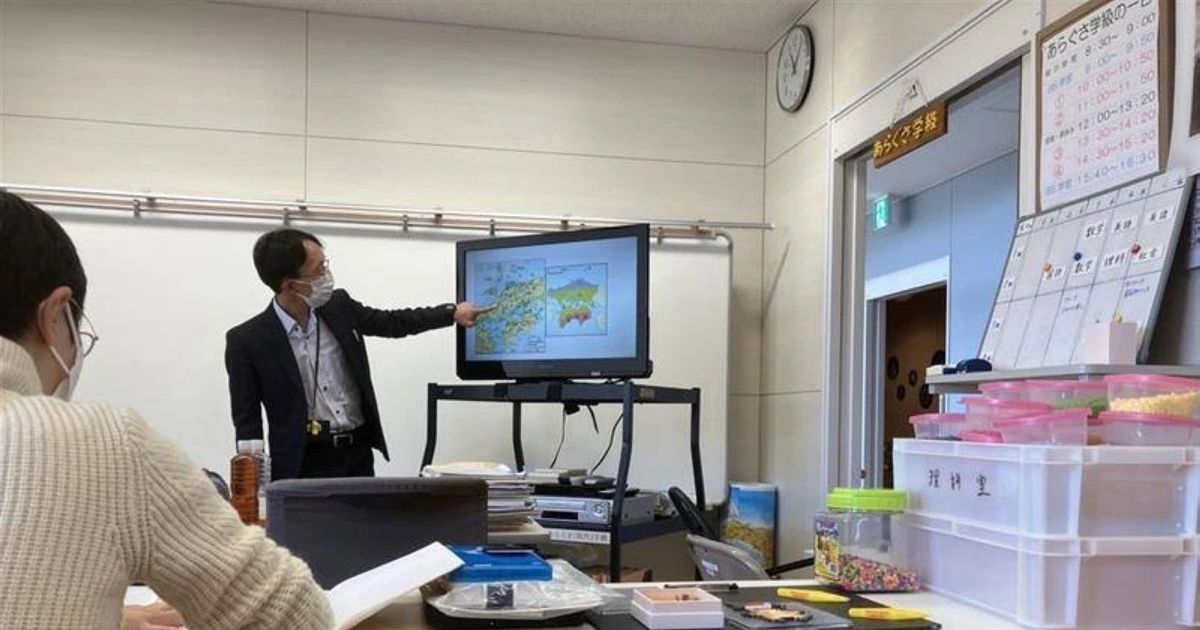
The simple act of learning can offer profound hope and motivation, particularly for young patients facing extended hospital stays. In Fukuoka, Japan, a unique initiative is ensuring that children don’t have to sacrifice their education while receiving medical care. These in-hospital classrooms, a collaborative effort between the education and healthcare sectors, are becoming increasingly vital in supporting the well-being and academic progress of hospitalized children.
Japan has long recognized the challenges faced by children requiring prolonged hospitalization, a situation that inevitably disrupts their schooling. Recognizing this, the country has implemented various programs to maintain educational access, including online learning and self-study materials. However, the in-hospital classroom model, now gaining wider recognition, offers a particularly valuable approach, fostering a sense of normalcy and connection during difficult times. This model isn’t simply about academics. it’s about preserving a child’s connection to the world outside the hospital walls and mitigating the emotional stress of long-term illness. The initiative aims to ensure that illness doesn’t equate to educational setbacks.
Bridging the Gap: How In-Hospital Classes Work
At Fukuoka Children’s Hospital, the classroom appears remarkably ordinary – a whiteboard, neatly arranged small tables, and the focused energy of students. But Here’s no typical school setting. Lessons, such as a recent Japanese language class, are tailored to the individual needs of the students, who are all undergoing treatment. Teachers like Yoko Hirota adapt their methods to accommodate varying health conditions and learning abilities. A typical lesson lasts around 50 minutes, with two sessions in the morning and two in the afternoon. Class sizes are small, ranging from a single student to a group of five, allowing for personalized attention.
The flexibility of the program is crucial. Hirota, who has been teaching in this model for six years, recalls being deeply moved by the sight of a young patient studying diligently even while receiving an intravenous infusion. This experience solidified her commitment to supporting these students. She immediately applied to participate in the government-backed “classroom at the hospital” project when she learned of it. “Each student has a different health condition and situation,” Hirota explains. “teachers must adapt their teaching methods to each student’s physical condition and learning ability. There are times when I simply let the students play to relax them.”
The need for this personalized approach is underscored by the understanding that many believe hospitalized children should focus solely on their treatment or rely on online learning. However, Hirota and other educators have found that students overwhelmingly desire in-person learning and interaction with their teachers, even while unwell. A relaxed learning environment also demonstrably reduces stress following extended periods of treatment. This emphasis on emotional well-being is a key component of the program’s success.
National Expansion and Growing Recognition
The in-hospital classroom model is no longer limited to Fukuoka. According to a survey conducted by the Japanese Ministry of Education, Culture, Sports, Science and Technology (MEXT), approximately 340 schools are currently collaborating with other institutions to implement this approach. The Japan Times reports that this translates to a total of 960 classes and over 1,500 students nationwide benefiting from this initiative. Despite the evolving health situation following the COVID-19 pandemic, educators maintain that the role of these classes remains essential.
Naomi Eguchi, a teacher at the Kyushu Cancer Center at Kyushu University Hospital, emphasizes the importance of normalcy for young patients. “During my experience here, I have met many children with serious illnesses, such as cancer, who have been hospitalized for six months to a year,” Eguchi shared. “These children are often very anxious and inquire difficult questions about the future. That’s why I always strive to create a normal learning environment so that they can maintain a semblance of familiarity with life, even in the hospital.” This sentiment highlights the broader psychological benefits of continuing education during a health crisis.
The Impact of COVID-19 and the Continued Need for Support
While the COVID-19 pandemic presented new challenges to in-person learning, the need for these in-hospital classrooms became even more apparent. Hospitalization rates fluctuated, and safety protocols required adaptation, but the commitment to providing educational continuity remained strong. The pandemic underscored the importance of addressing not only the physical health of these children but also their emotional and intellectual well-being. The in-hospital classroom model provided a safe and supportive environment for students to continue their education despite the disruptions caused by the pandemic.
The success of these programs also extends to the families of hospitalized children. Knowing that their child is continuing to learn and engage with peers can alleviate some of the stress and anxiety associated with a prolonged illness. The in-hospital classroom becomes a source of stability and hope for both the patient and their loved ones.
Beyond Academics: Fostering Resilience and Well-being
The benefits of in-hospital classrooms extend far beyond academic achievement. These programs play a crucial role in fostering resilience, social interaction, and a sense of normalcy for children facing challenging circumstances. By providing a structured and supportive learning environment, these classrooms help students maintain a connection to their peers and their future aspirations. The opportunity to engage in learning activities can also serve as a welcome distraction from the anxieties and uncertainties of hospitalization.
The program’s success relies heavily on the dedication and adaptability of the teachers involved. They must be skilled in differentiating instruction to meet the diverse needs of their students, many of whom may be experiencing physical discomfort, emotional distress, or cognitive challenges. The teachers also serve as advocates for their students, working closely with healthcare professionals to ensure that their educational needs are met.
Looking Ahead: Expanding Access and Innovation
As the in-hospital classroom model continues to gain traction, there is growing interest in expanding access to more children across Japan. Efforts are underway to increase the number of participating schools and hospitals, as well as to develop innovative approaches to delivering education in these unique settings. This includes exploring the employ of technology to enhance learning experiences and provide remote access to educational resources. The goal is to create a seamless and supportive educational experience for all hospitalized children, regardless of their location or health condition.
there is a growing recognition of the need to address the long-term educational and emotional needs of children who have experienced prolonged hospitalization. Follow-up support programs are being developed to help these students transition back to mainstream education and to provide ongoing counseling and support services. These programs aim to ensure that these children have the resources they need to thrive academically and emotionally long after they leave the hospital.
The Japanese model offers valuable lessons for other countries seeking to improve educational access for hospitalized children. The collaborative approach, the emphasis on personalized learning, and the commitment to fostering a sense of normalcy are all key elements of its success. By prioritizing the educational well-being of these vulnerable students, Japan is demonstrating a commitment to ensuring that all children have the opportunity to reach their full potential.
The Ministry of Education, Culture, Sports, Science and Technology will continue to monitor the program’s effectiveness and explore opportunities for further expansion, and innovation. The next update on the program’s progress is expected in early 2027, with a comprehensive report detailing the number of participating schools, the number of students served, and the impact of the program on student outcomes.
What are your thoughts on the importance of educational support for hospitalized children? Share your comments below, and let’s continue the conversation.
Keep reading