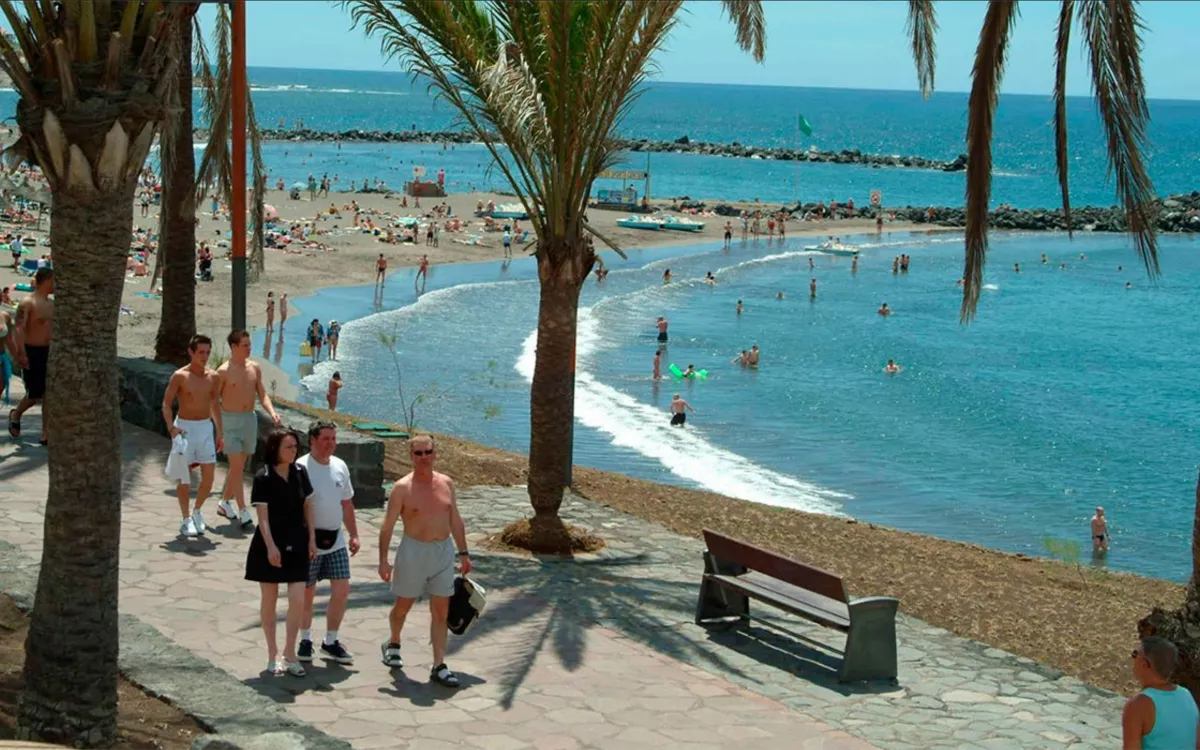
Tenerife, Canary Islands – A growing sense of insecurity among tourists in the Canary Islands, fueled by acts of vandalism and a perceived hostility from some local groups, is prompting a shift in travel plans, with Morocco emerging as a favored alternative destination. The trend, particularly noticeable as the Easter holiday approaches, raises concerns about the long-term impact on the Canaries’ vital tourism industry.
Recent incidents, including the vandalism of eleven rental cars in Sibora on March 1st, have amplified anxieties among visitors. These acts, targeting a coastal area popular with British tourists, are not isolated. Last year, approximately twenty vehicles were reportedly set ablaze in Costa Adeje, with footage of the destruction circulating on social media platforms, allegedly shared by anti-tourism activists. The incidents have sparked a wave of negative sentiment, with some tourists expressing a complete unwillingness to return to the islands.
Rising Tensions and a Search for Safer Destinations
The shift towards Morocco, specifically cities like Agadir, is being driven by a desire for safety and a more welcoming atmosphere. While the Canary Islands have long been a popular destination for European tourists, the recent unrest has created a climate of unease. The situation highlights a broader tension between the economic benefits of tourism and the concerns of local communities regarding overtourism and its impact on their way of life. The sentiment expressed by one disgruntled tourist, quoted as saying, “I will never go on vacation in Spain again. I hate them as much as they hate us,” underscores the depth of the disillusionment felt by some visitors. This statement, while strongly worded, reflects a growing perception of hostility that is damaging the islands’ reputation.
Morocco is actively capitalizing on the situation. The country has been investing in its tourism infrastructure and promoting itself as a safe and affordable alternative to destinations experiencing unrest. Agadir, in particular, is benefiting from the influx of tourists seeking a more peaceful vacation experience. The Moroccan National Tourist Office has not yet released official figures on the increase in bookings from Canary Islands-bound travelers, but anecdotal evidence and reports from travel agencies suggest a significant uptick in interest.
Criminal Activity Beyond Vandalism: Drug Trafficking Concerns
The security concerns in the Canary Islands extend beyond acts of vandalism and anti-tourism sentiment. Recent law enforcement operations reveal a significant issue with drug trafficking, particularly cocaine, using the islands as a crucial transit point for shipments destined for Europe. In September 2025, Spanish investigators dismantled a sophisticated drug network in “Operation Silbo,” a two-year probe backed by international agencies including the US Drug Enforcement Administration and Europol. The operation resulted in 34 arrests and nearly 40 raids across Spain, exposing a network allegedly run by a Tenerife businessman with interests in nightlife, restaurants, and construction.
Investigators found that the network utilized a complex web of companies to launder money through property deals and other ventures, including a car-rental firm used as a tool for smuggling. Large-scale cocaine shipments from South America were brought to the islands via “mother ships,” then transferred to smaller boats for final delivery. In January 2024, authorities intercepted 500 kg of cocaine bound for Santa Cruz de Tenerife, and in October of the same year, another 1,600 kg was seized from a fishing vessel originating in Guinea-Bissau. The organization too facilitated the movement of Moroccan hashish to the UK, with connections traced to British traffickers on the Costa del Sol.
Further complicating the security landscape, in August 2025, the Guardia Civil discovered approximately 22 kilograms of cocaine near the coast of Los Silos, in an area known as Costa Sibora. The drugs were found attached to a buoy, suggesting a pre-arranged collection point for smugglers. This discovery highlights the ongoing challenges faced by law enforcement in combating drug trafficking along the Tenerife coastline.
Impact on the Canary Islands Economy and Tourism Sector
The combination of vandalism, anti-tourism sentiment, and organized crime poses a significant threat to the Canary Islands’ economy, which heavily relies on tourism. The islands welcomed over 14 million tourists in 2023, according to data from the Canary Islands Statistical Institute (ISTAC), generating billions of euros in revenue. A sustained decline in visitor numbers could have devastating consequences for local businesses and employment.
The current situation is particularly concerning as the Easter holiday period approaches, traditionally a peak season for tourism in the Canaries. The loss of confidence among potential visitors could lead to cancellations and a significant drop in revenue. Local authorities are scrambling to address the security concerns and restore the islands’ reputation as a safe and welcoming destination. Efforts include increased police presence in tourist areas and initiatives to promote dialogue between the tourism industry and local communities.
The Role of Anti-Tourism Activism
The incidents of vandalism and the expression of anti-tourism sentiment raise complex questions about the sustainability of tourism and its impact on local communities. While tourism provides economic benefits, it can also lead to overcrowding, rising prices, and environmental degradation. Some residents feel that the benefits of tourism are not shared equitably and that their quality of life is being negatively affected. The actions of anti-tourism activists, while often condemned, reflect a growing frustration with the perceived negative consequences of mass tourism.
However, the escalation of these protests into acts of vandalism and intimidation is widely criticized. Such actions not only damage property but also create a climate of fear and insecurity, deterring tourists and harming the local economy. Finding a balance between promoting sustainable tourism and addressing the concerns of local communities is a critical challenge for the Canary Islands.
Morocco’s Gains and the Future of Tourism in the Region
As the Canary Islands grapple with these challenges, Morocco is poised to benefit from the shift in tourist preferences. The country offers a diverse range of attractions, including historical sites, vibrant cities, and beautiful beaches, at competitive prices. Agadir, in particular, is well-equipped to handle an increase in tourist arrivals, with a modern infrastructure and a reputation for safety and hospitality.
The Moroccan government is actively promoting the country as a tourist destination, investing in infrastructure and marketing campaigns. The country’s strategic location, close to Europe, makes it an attractive alternative for travelers seeking a warm and sunny getaway. The growing popularity of Morocco as a tourist destination is likely to continue as long as the Canary Islands struggle to address the security concerns and restore confidence among visitors.
The situation underscores the importance of maintaining a safe and welcoming environment for tourists. The Canary Islands must address the underlying issues that are fueling the unrest and work to rebuild trust with visitors. Failure to do so could result in a long-term decline in tourism and significant economic consequences.
Authorities in the Canary Islands are expected to release updated security assessments and tourism figures in the coming weeks. Further developments in Operation Silbo, and any subsequent legal proceedings, will also be closely monitored. The coming months will be crucial in determining the future of tourism in the Canary Islands and the extent to which Morocco will capitalize on the changing landscape.
What are your thoughts on the situation in the Canary Islands? Share your comments below and let us grasp if you’ve reconsidered your travel plans.
Keep reading