Protecting Spring’s Sweetest Bounty: How to Properly Store Raspberries for Optimal Freshness
As spring arrives, bringing with it a delightful array of fresh produce, raspberries often take center stage. These delicate berries are not only a delicious treat but also a nutritional powerhouse, boasting a low calorie count and a rich profile of vitamins, minerals, and antioxidants. However, their delicate nature also means they are highly susceptible to spoilage if not handled and stored correctly. Understanding the nuances of raspberry preservation – particularly when and how to wash them – is crucial to enjoying their peak flavor and nutritional benefits. A simple misstep can quickly lead to mushy, moldy berries, wasting both a tasty snack and a valuable source of nutrients.
Raspberries are remarkably low in calories, providing just 52kcal per 100g, and are an excellent source of dietary fiber, offering 6.9g per 100g serving. They are also approximately 84.5% water, making them a hydrating and light choice. Beyond these basics, raspberries are packed with beneficial plant compounds, including anthocyanins and ellagic acid, both potent antioxidants. These compounds contribute to the berry’s vibrant color and play a role in protecting cells from oxidative stress. The presence of these antioxidants, alongside a balanced nutritional profile, makes raspberries a valuable addition to a healthy diet.
The Science Behind Raspberry Spoilage
Raspberries are particularly vulnerable to damage due to their delicate structure and high water content. Unlike some fruits that have a protective peel, raspberries are composed of tiny, juice-filled drupelets. This makes them easily crushed and prone to absorbing moisture, accelerating the growth of mold. The key to extending their shelf life lies in minimizing moisture exposure and maintaining a cool temperature.
The antioxidants present in raspberries, anthocyanins and ellagic acid, are also sensitive to environmental factors. Anthocyanins, responsible for the berries’ vibrant red hue, can degrade with exposure to heat and light, potentially diminishing their health benefits. Ellagic acid, a phenolic compound with strong antioxidant properties, also contributes to the overall protective effect of raspberries against oxidative stress.
The Golden Rule: Don’t Wash Until You’re Ready to Eat
The most critical factor in preserving raspberry freshness is avoiding washing them until immediately before consumption. Introducing moisture to the berries accelerates their deterioration. Washing removes the natural protective bloom that helps prevent mold growth and softens the delicate drupelets, making them more susceptible to bruising and spoilage. This principle applies whether you’re storing raspberries purchased from a farmer’s market or those acquired from the grocery store.
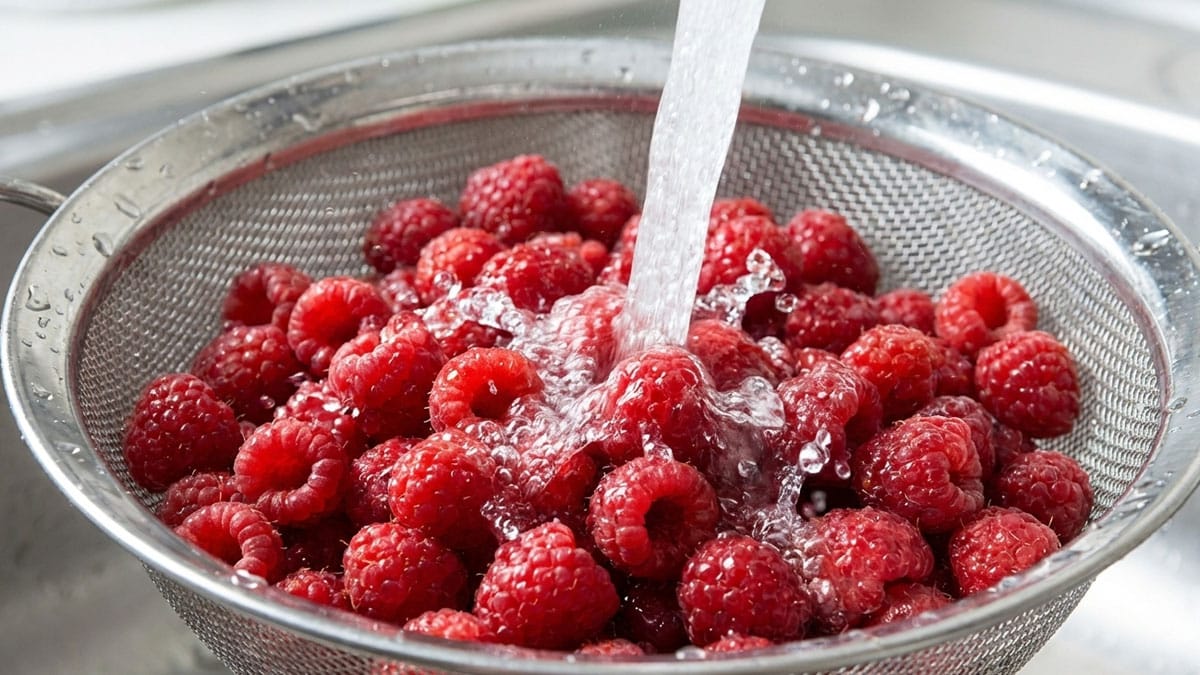
When you *do* wash raspberries, do so gently. Avoid soaking them in water, as this can leach out water-soluble vitamins and nutrients. Instead, place the berries in a colander and rinse them briefly under cool, running water. Pat them dry with a clean paper towel before consuming or storing (if immediate consumption isn’t planned, which is not recommended).
Optimal Storage Techniques for Extended Freshness
Once you’ve decided to store your raspberries, proper containment is key. Line an airtight container with paper towels. The paper towels will absorb excess moisture, helping to prevent mold growth. Arrange the raspberries in a single layer, avoiding overcrowding, to further minimize bruising and promote air circulation. Store the container in the refrigerator, ideally at a temperature around 0°C (32°F).
Even with careful storage, raspberries are best consumed within 2-3 days. Signs of spoilage include a darkened color, a mushy texture, or the presence of mold. Discard any berries exhibiting these characteristics to prevent potential foodborne illness.
Freezing Raspberries for Long-Term Preservation
If you anticipate not being able to consume your raspberries within a few days, freezing is an excellent option for long-term preservation. Begin by washing and thoroughly drying the berries. Spread them in a single layer on a baking sheet lined with parchment paper and freeze for several hours, or until solid. This “flash freezing” method prevents the berries from clumping together. Once frozen, transfer the raspberries to an airtight freezer bag or container.
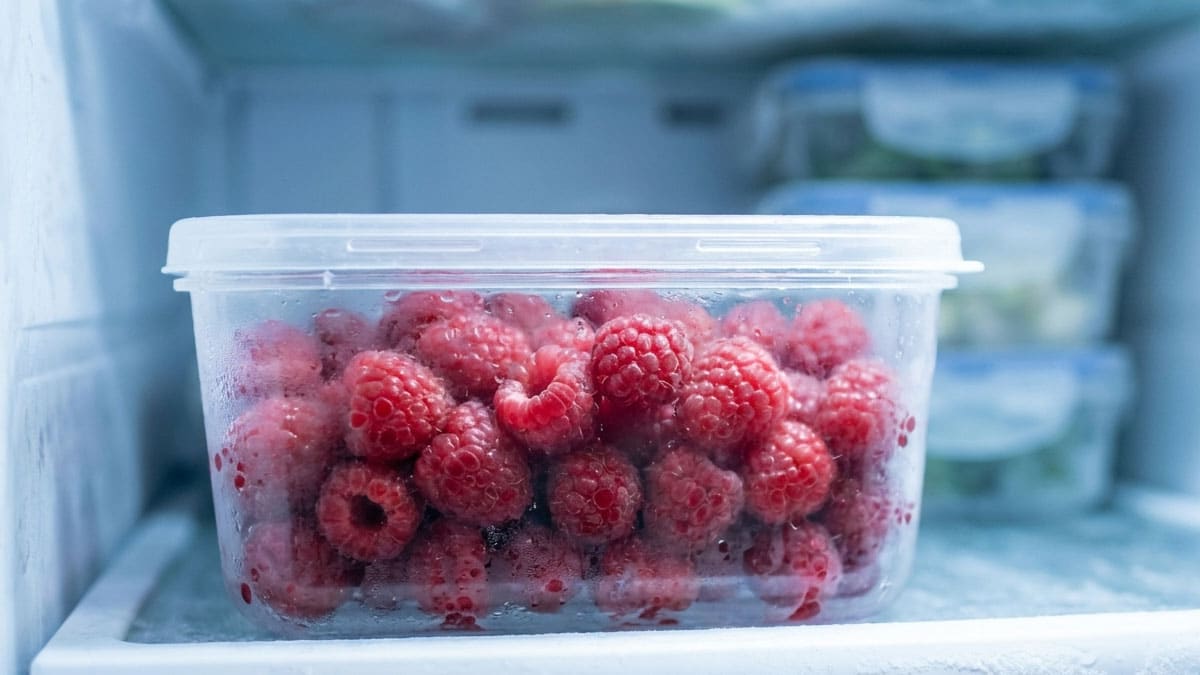
Frozen raspberries are ideal for smoothies, baking, or making jams and sauces. While the texture may be slightly softer after thawing, the flavor and nutritional value remain largely intact. Keep in mind that frozen raspberries are best used within 8-12 months for optimal quality.
Raspberries offer a delightful combination of flavor and health benefits. By following these simple storage guidelines, you can ensure you enjoy these seasonal gems at their freshest and most nutritious. As we move further into spring, keep an eye out for local raspberry harvests and remember: treat these delicate berries with care, and they will reward you with a burst of summery goodness.
Researchers continue to investigate the full extent of raspberry’s health benefits, including potential roles in cancer prevention and cardiovascular health. For the latest information on nutrition and food safety, consult resources from the United States Department of Agriculture (USDA) and the Food and Drug Administration (FDA).
What are your favorite ways to enjoy raspberries? Share your recipes and storage tips in the comments below!
Worth a look