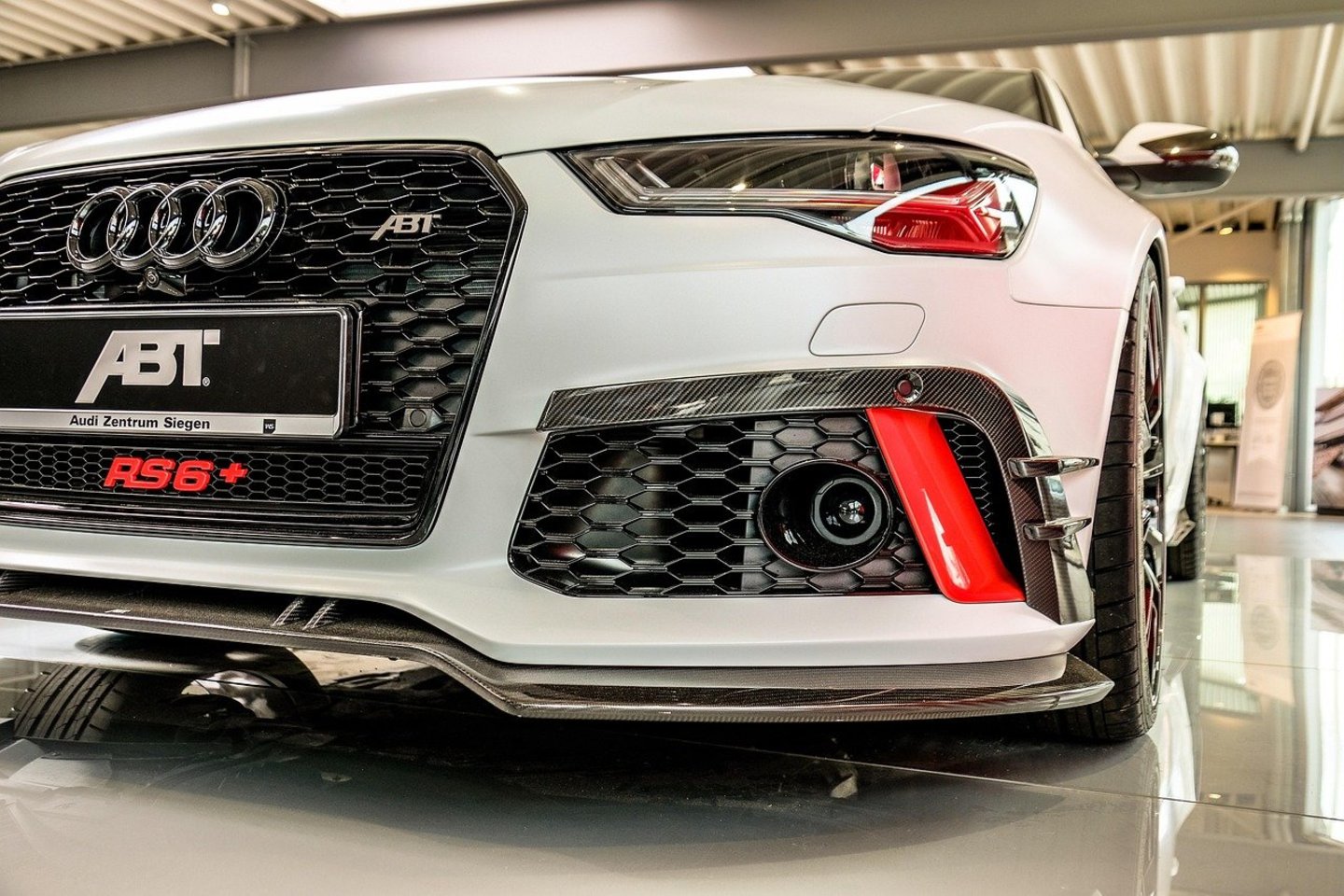
London, United Kingdom – Audi is quietly phasing out its A6 Avant model, ceasing new orders as the future of a direct replacement remains uncertain. The move, initially reported by Lithuanian news outlet Lrytas, signals a potential shift in the German automaker’s strategy, prioritizing SUVs and electric vehicles over traditional station wagons. While Audi has not issued a formal announcement, the discontinuation of orders has sparked concern among enthusiasts and industry observers.
The A6 Avant, a staple of the Audi lineup for decades, has long been praised for its blend of practicality, luxury, and driving dynamics. Its departure reflects a broader trend in the automotive industry, where station wagons are losing ground to the popularity of SUVs and crossovers. However, the lack of a confirmed successor has fueled speculation about Audi’s long-term commitment to the wagon body style.
The Decline of the Station Wagon
The European market has historically been more receptive to station wagons than North America, but even there, demand is waning. According to data from the European Automobile Manufacturers Association (ACEA), while station wagons still represent a significant portion of the market, their share has been steadily declining over the past decade. ACEA statistics display a consistent shift towards SUV and crossover vehicles, driven by consumer preferences for higher ride heights, perceived safety, and increased cargo space.
Several factors contribute to this trend. Marketing efforts by automakers have largely focused on promoting SUVs, often portraying them as more versatile and adventurous vehicles. The increased availability of SUVs with comparable cargo capacity to station wagons has eroded the latter’s traditional advantage. The rise of electric vehicles is also playing a role, as many EV manufacturers are prioritizing SUV and crossover body styles due to their perceived market appeal.
Audi’s Strategic Shift
Audi’s decision to discontinue the A6 Avant aligns with a broader strategic shift towards electrification and SUVs. The company has invested heavily in its e-tron range of electric vehicles and has announced plans to launch a number of new electric SUVs in the coming years. In December 2025, Audi unveiled an innovative and powerful diesel V6 engine, demonstrating a continued commitment to internal combustion engines for the time being, but with a focus on efficiency and reduced emissions. As reported by Lrytas, this engine incorporates three 48-volt electric motors to eliminate turbo lag and enable the use of sustainable fuels like hydrotreated vegetable oil (HVO).
This engine development suggests Audi is attempting to bridge the gap between traditional combustion technology and a fully electric future. However, the discontinuation of the A6 Avant indicates that the company is prioritizing investments in areas with higher growth potential. The first models to feature the updated engine will be the Audi Q5 and Audi A6, but notably, the A6 will be the SUV version, not the Avant.
The Future of the A6 Lineup
The future of the A6 lineup remains somewhat unclear. While the A6 sedan continues to be offered, the absence of a direct replacement for the Avant raises questions about Audi’s commitment to the wagon body style. Some industry analysts speculate that Audi may eventually introduce an electric wagon based on its upcoming Artemis platform, but there has been no official confirmation.
The Artemis project, a collaboration between Audi and Porsche, is focused on developing a new generation of high-volume electric vehicles. While the initial focus is on a luxury SUV, a wagon variant has not been ruled out. However, the development timeline and market conditions will ultimately determine whether such a vehicle comes to fruition.
Recent Incidents Involving Audi Vehicles
Recent events involving Audi vehicles in Lithuania have also garnered attention. In January 2026, an Audi A6 was involved in an accident in Vilnius, colliding with a pole near the German embassy. According to Lrytas, the driver was found to be under the influence of alcohol, with a blood alcohol content of 1.65 promille. The incident resulted in an investigation and potential legal consequences for the driver.
While this incident is unrelated to the A6 Avant’s discontinuation, it highlights the importance of responsible driving and the potential consequences of impaired driving. Audi, like other automakers, is actively promoting safety features and driver assistance systems to mitigate the risk of accidents.
German Automotive Market Trends
The broader German automotive market continues to be a key indicator of global trends. German automakers, including Audi, BMW, and Mercedes-Benz, are facing increasing competition from electric vehicle manufacturers, particularly from Tesla and Chinese brands. The transition to electric vehicles is accelerating, driven by government incentives and growing consumer demand. Lrytas’s coverage of German cars highlights the enduring appeal of German engineering and quality, but also acknowledges the challenges posed by the changing automotive landscape.
Despite the shift towards electric vehicles, German automakers continue to innovate in the field of internal combustion engines, focusing on improving efficiency and reducing emissions. Audi’s recent development of the updated diesel V6 engine is a testament to this commitment. However, the long-term future of internal combustion engines remains uncertain, as governments around the world are implementing stricter emission regulations and phasing out sales of new gasoline and diesel vehicles.
Key Takeaways
- Audi has ceased taking orders for the A6 Avant station wagon, signaling a potential end to the model line.
- The decision reflects a broader industry trend towards SUVs and electric vehicles.
- Audi is investing heavily in its e-tron range of electric vehicles and the Artemis platform.
- The future of the A6 lineup remains uncertain, with no confirmed plans for a direct replacement for the Avant.
- Recent incidents involving Audi vehicles highlight the importance of road safety and responsible driving.
The discontinuation of the A6 Avant marks the end of an era for Audi enthusiasts who appreciate the practicality and versatility of station wagons. While the future remains uncertain, Audi’s commitment to innovation and its ongoing investment in electric vehicles suggest that the company is well-positioned to navigate the evolving automotive landscape. The next key development will be further announcements regarding the Artemis platform and potential new electric vehicle models.
What are your thoughts on Audi’s decision? Share your comments below and let us know if you think the station wagon has a future in the automotive industry.
Related reading