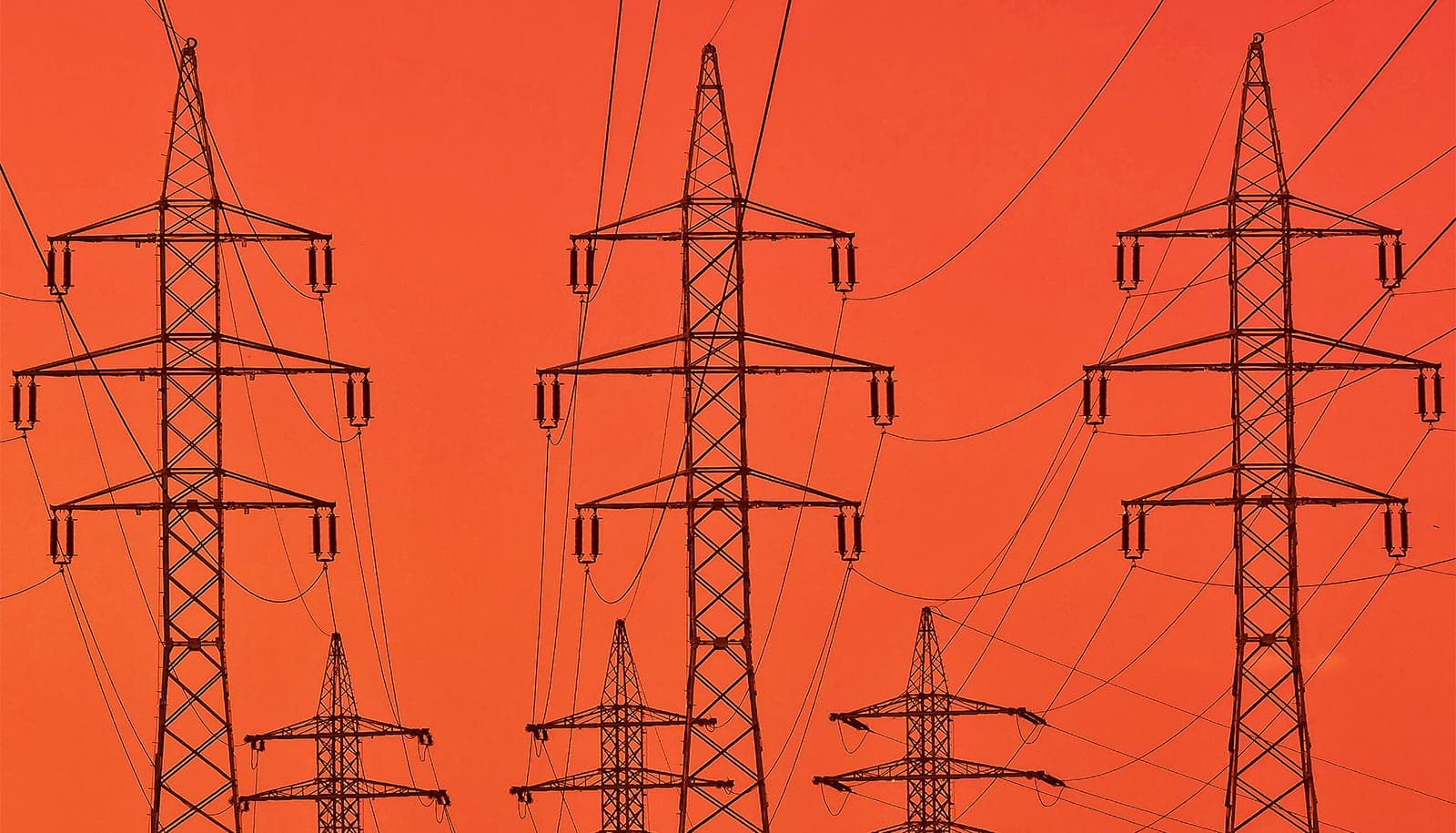
The Growing Strain on Power Grids: Can We Handle the Energy Demands of AI?
The rapid advancement of artificial intelligence is not occurring in a vacuum. Behind the sleek interfaces and complex algorithms lies a massive and growing infrastructure of data centers, consuming vast amounts of energy and raising concerns about the stability of power grids. While AI promises transformative benefits across numerous sectors, its energy footprint is becoming a critical issue demanding immediate attention. The question isn’t simply *if* AI will impact our energy systems, but *how* we can mitigate potential disruptions and ensure a sustainable future for this powerful technology.
Data centers, the physical hubs of the digital world, are essential for training and running AI models. These facilities require not only substantial land and water resources but, crucially, a consistent and enormous supply of electricity. As AI systems turn into more sophisticated, the demand for processing power – and therefore energy – continues to escalate. This surge in demand is prompting a re-evaluation of energy infrastructure and sparking debate about the environmental consequences of the AI boom.
Recent analysis highlights the scale of the challenge. The International Energy Agency (IEA) published a report in April 2025, titled “Energy and AI,” which details the growing energy consumption of data centers. This report, along with insights from experts like Professor Andrew Chien, a computer scientist at the University of Chicago and a senior computing scientist at Argonne National Laboratory, are shedding light on the complexities of this issue. Chien’s expertise in large-scale computing and cloud computing provides valuable perspective on the power requirements of these facilities and potential solutions for a more sustainable approach.
What Exactly *Is* a Data Center?
At its core, a data center is a dedicated space housing a network of computers and associated components, such as telecommunications and storage systems. These facilities are designed to collect, store, process, and distribute large amounts of data. They are the backbone of the internet, supporting everything from online banking and social media to cloud computing and, increasingly, artificial intelligence. The sheer scale of these operations is often hidden from public view, with many data centers located in nondescript buildings in areas with favorable energy costs and robust infrastructure.
Where Are These Data Centers Located?
The United States currently leads the world in data center capacity. Northern Virginia, in particular, has emerged as a dominant hub, attracting significant investment from tech giants like Amazon Web Services. However, data centers are increasingly being built in other states, driven by competition for economic development and the demand for geographically diverse infrastructure. This competition is fueled by the potential for job creation and economic growth, but also raises concerns about the strain on local energy grids, and resources.
Why the Surge in Demand? The AI Factor
The recent explosion in AI development is the primary driver behind the increased demand for data center capacity. Training complex AI models requires immense computational power, often utilizing specialized hardware like graphics processing units (GPUs). These GPUs consume significant amounts of electricity, and the process of training a single model can require energy equivalent to the lifetime emissions of several cars. Once trained, these models need to be continuously run and updated, adding to the ongoing energy demand. Deloitte’s 2025 AI Infrastructure Survey underscores this point, noting that AI data centers uniquely challenge grid operations due to their large, concentrated, and constant power needs.
How Much Energy Do Data Centers Actually Employ?
Quantifying the exact energy consumption of data centers is a complex undertaking, but the numbers are substantial and growing. While data centers represent a relatively minor percentage of overall U.S. Electricity consumption currently, their share is projected to increase dramatically in the coming years. The IEA report highlights this trend, indicating a significant rise in energy demand linked to AI-related data center operations. The challenge lies not only in the total amount of energy used but also in the *timing* of that demand. Data centers require a constant, reliable power supply, which can strain grid capacity, particularly during peak hours.
What is the Energy Used *For* Within a Data Center?
The vast majority of energy consumed by data centers is used to power the servers and other computing equipment. However, a significant portion is also dedicated to cooling systems. Servers generate a substantial amount of heat, and maintaining optimal operating temperatures is crucial to prevent equipment failure. Cooling systems, which can range from traditional air conditioning to more advanced liquid cooling technologies, account for a considerable portion of a data center’s energy bill. Energy is required for power distribution, lighting, and security systems.
The Energy Sources Powering the AI Revolution
The sources of energy powering data centers vary depending on location and availability. While renewable energy sources like solar and wind are gaining traction, a significant portion of data center energy still comes from fossil fuels. There is a growing push to increase the use of renewable energy in data centers, driven by both environmental concerns and economic incentives. However, the intermittent nature of renewable energy sources presents challenges, requiring energy storage solutions or integration with more reliable power sources. The University of Chicago’s Professor Andrew Chien, in a recent podcast, discussed potential sustainable approaches to data center energy consumption, emphasizing the need for innovative solutions.
Impact on Electricity Bills: Will Consumers Feel the Strain?
The increased demand for electricity from data centers could potentially lead to higher electricity bills for consumers. If power grids are unable to keep pace with demand, utilities may need to invest in new infrastructure, the costs of which could be passed on to ratepayers. Increased demand can drive up wholesale electricity prices, impacting both residential and commercial consumers. However, the extent of this impact will depend on a variety of factors, including the pace of AI adoption, the availability of renewable energy sources, and the efficiency of grid infrastructure.
Public Perception: Concerns About AI and the Environment
Public awareness of the environmental impact of AI is growing. While many people recognize the potential benefits of AI, there is also increasing concern about its energy footprint and the potential for negative environmental consequences. Addressing these concerns will require transparency from tech companies and a commitment to sustainable practices. Investing in renewable energy, improving energy efficiency, and developing innovative cooling technologies are all crucial steps towards mitigating the environmental impact of AI.
Looking Ahead: Sustainable Solutions for the Future
The challenge of powering the AI revolution sustainably is significant, but not insurmountable. Several promising solutions are emerging, including advanced cooling technologies, more efficient hardware, and the use of renewable energy sources. Professor Chien’s research at the University of Chicago focuses on optimizing data center energy usage and exploring innovative approaches to sustainable computing. Policy interventions, such as incentives for renewable energy adoption and regulations promoting energy efficiency, can play a crucial role in driving positive change.
ensuring a sustainable future for AI requires a collaborative effort involving tech companies, policymakers, and researchers. By prioritizing energy efficiency, investing in renewable energy, and developing innovative solutions, we can harness the transformative power of AI while minimizing its environmental impact. The conversation surrounding AI’s energy demands is evolving, and continued monitoring and adaptation will be essential as the technology continues to advance.
The next step in understanding this complex issue will be the release of updated energy consumption data from the IEA later this year. Stay informed about developments in AI and energy policy by following updates from organizations like the IEA and the University of Chicago. Share your thoughts on the future of AI and sustainability in the comments below.
- Actress Cha Joo-young Shares Relaxing Japan Vacation Photos After Nosebleed Surgery
- DOJ Shifts Olmstead Enforcement: What It Means for HCBS Providers
- Apple AirPods with cameras could launch sooner than expected (archyde.com)
- EPFO Wage Ceiling Could Rise to ₹25,000 Under Government Proposal (archyworldys.com)