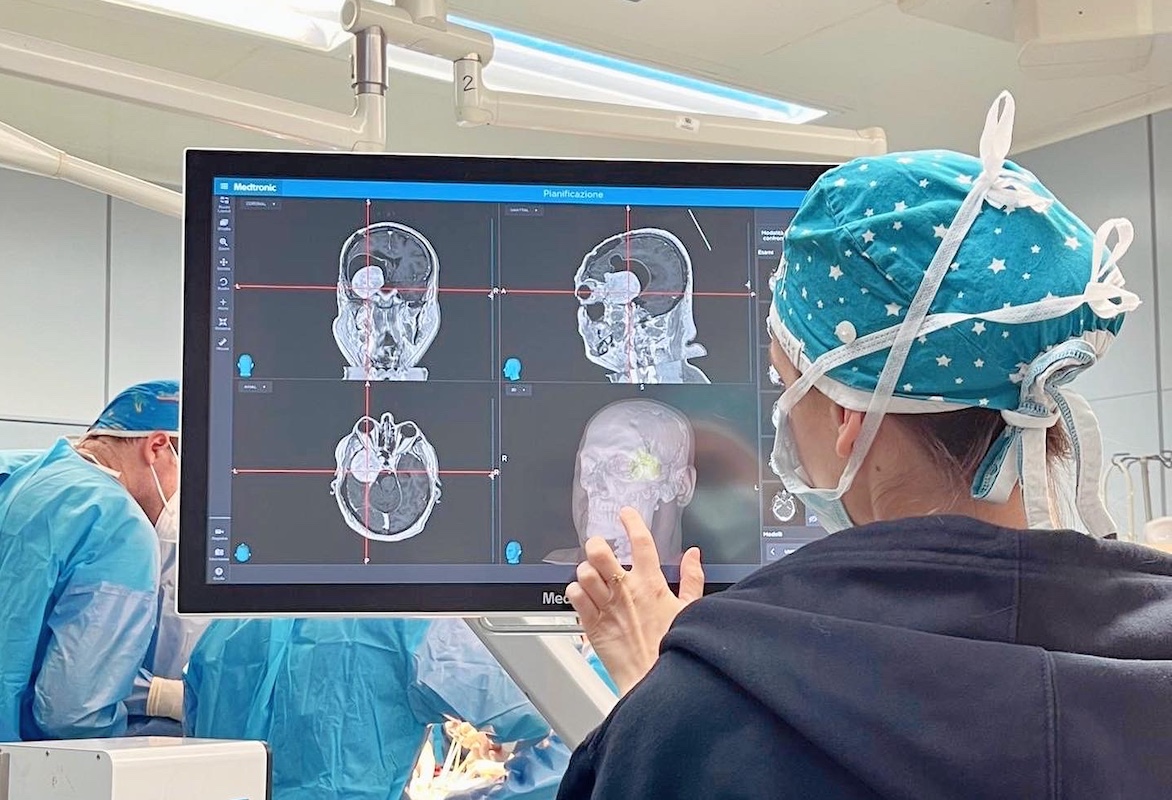
Bari, Italy is undertaking significant efforts to reduce wait times for healthcare services, with a recent intensive program at the Policlinico di Bari hospital resulting in 345 scheduled procedures over a single weekend. This initiative, part of a broader strategy by the Puglia region, aims to address backlogs and ensure timely access to care for patients requiring urgent or relatively prompt attention. The push to accelerate healthcare delivery comes as many healthcare systems globally grapple with pandemic-related delays and increasing demand.
The intensive program, spanning two days, included 264 outpatient appointments – 168 first-time consultations and 96 diagnostic tests – alongside 42 surgical interventions on Saturday alone. The range of specialties involved demonstrates a comprehensive approach to tackling the waiting lists, encompassing dermatology, otorhinolaryngology, internal medicine, nephrology, gastroenterology, and pediatric cardiology. Diagnostic procedures included a variety of imaging and functional tests, such as ultrasounds, magnetic resonance imaging (MRI), computed tomography (CT) scans, audiometry, and mammography. Surgical specialties participating in the accelerated schedule included neurosurgery, gynecology, and continued progress in ophthalmological surgery, specifically cataract procedures.
Addressing Cataract Backlogs with Accelerated Day Surgery
A key focus of the initiative was to expedite cataract surgery, a common procedure often associated with lengthy wait times. According to regional health officials, some day surgery appointments for cataracts originally scheduled for April 2027 have been moved forward to as early as November 2025, significantly reducing the waiting period for affected patients. This proactive rescheduling demonstrates a commitment to prioritizing patients based on need and optimizing resource allocation. Cataracts, a clouding of the natural lens of the eye, can lead to vision impairment if left untreated, making timely intervention crucial for maintaining quality of life.
The Policlinico di Bari, officially known as the Azienda Ospedaliero-Universitaria Consorziale Policlinico di Bari – Ospedale Giovanni XXIII, was established on May 1, 1996, and comprises two main structures: the Policlinico itself, located in the Picone district, and the pediatric hospital “Giovanni XXIII,” integrated on January 1, 2005. PugliaSalute provides information on the services offered at the Policlinico. The hospital also serves as a teaching facility for the University of Bari’s Faculty of Medicine and Surgery, contributing to both patient care and medical education.
Regional Efforts to Improve Healthcare Access in Puglia
The weekend program at the Policlinico di Bari is part of a larger regional effort by the Puglia region to enhance healthcare accessibility and reduce patient wait times. The regional health authority has been implementing various strategies to increase service capacity and streamline processes. These efforts are particularly important in addressing the challenges posed by an aging population and the increasing prevalence of chronic diseases. The region’s commitment to improving healthcare access reflects a broader trend in Italy to strengthen public health services and ensure equitable access to care for all citizens.
Sunday’s activities continued the momentum, with 24 outpatient appointments and 39 surgical procedures scheduled. The surgical specialties involved on Sunday included plastic surgery, orthopedics, and urology, further diversifying the range of services being accelerated. This sustained effort over the weekend highlights the dedication of healthcare professionals and administrators to tackling the backlog and providing timely care to patients in need. The Policlinico di Bari’s Centro Unico Prenotazioni (Central Booking Center) can be reached at 0805592701 for appointment information, and the national emergency number is 112.
The Policlinico di Bari: A Hub for Specialized Care
The Policlinico di Bari plays a vital role in the healthcare landscape of the Puglia region, offering a wide range of specialized medical services. The hospital’s departments cover a comprehensive spectrum of medical disciplines, from cardiology and oncology to neurology and infectious diseases. According to Wikipedia, the hospital has 1,550 beds and handles approximately 87,245 admissions annually. Its location at Piazza Giulio Cesare 11, 70120 Bari, makes it a central point of access for patients throughout the region.
The hospital’s commitment to innovation and research is evident in its close collaboration with the University of Bari. This partnership fosters a dynamic environment for medical advancements and ensures that patients have access to the latest treatments and technologies. The Policlinico di Bari also provides specialized care for pediatric patients through the integrated Giovanni XXIII hospital, offering a dedicated facility for children with complex medical needs. The hospital’s Ufficio Relazioni con il Pubblico (Public Relations Office) is available to assist patients and their families with information and support.
Looking Ahead: Sustaining Momentum in Reducing Wait Times
While the weekend program at the Policlinico di Bari represents a significant step forward in reducing wait times, sustained efforts will be crucial to maintain momentum and address the underlying causes of backlogs. Continued investment in healthcare infrastructure, workforce development, and process optimization will be essential to ensure that patients receive timely and appropriate care. The Puglia region’s commitment to expanding healthcare access and improving service delivery will be critical in achieving these goals. The hospital’s website, www.policlinico.ba.it, provides further information on its services and initiatives.
The success of this initiative highlights the importance of collaborative efforts between healthcare providers, regional authorities, and academic institutions. By working together, these stakeholders can overcome challenges and deliver high-quality care to the communities they serve. The Policlinico di Bari’s experience can serve as a model for other hospitals and regions seeking to address similar challenges and improve healthcare access for their populations. Further updates on the region’s healthcare initiatives can be found on the PugliaSalute website.
The next scheduled update from the Puglia regional health authority regarding wait time reduction initiatives is expected in early April 2026. We encourage readers to share their experiences with healthcare access in the Puglia region and to engage in constructive dialogue about potential solutions. Your feedback is valuable as we continue to report on this important issue.