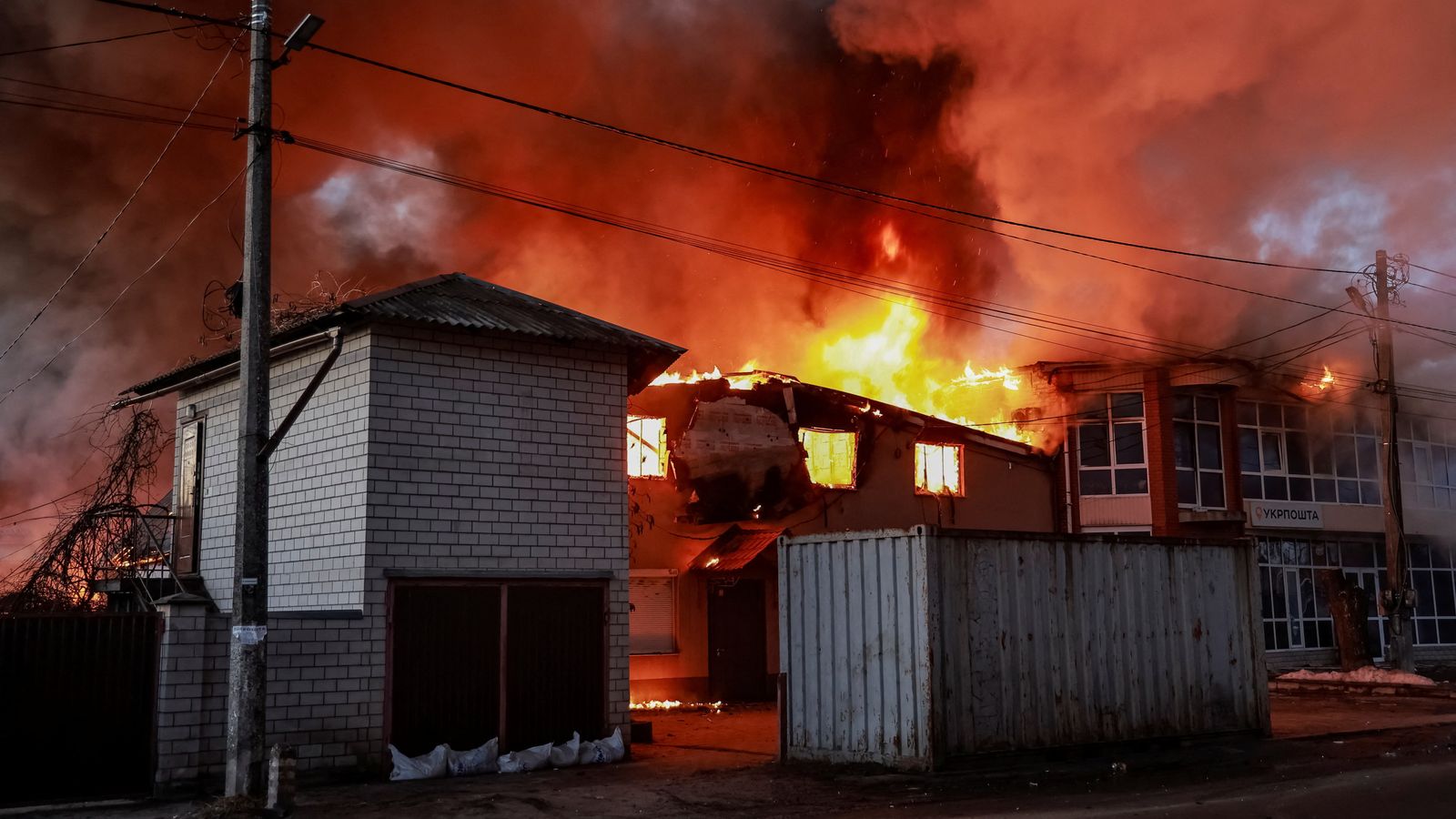
The conflict in Ukraine continues to escalate amidst a shifting geopolitical landscape, with recent Russian strikes resulting in civilian casualties and renewed concerns over the nation’s energy infrastructure. At least five people have been killed and 18 wounded in attacks across Ukraine, according to reports, as Kyiv braces for continued aggression. These strikes come as international attention is partially diverted by the unfolding crisis in the Middle East, prompting Ukrainian President Volodymyr Zelenskyy to warn that Russia may attempt to exploit the situation to further its objectives in Ukraine. The situation underscores the fragility of peace efforts and the interconnectedness of global security challenges.
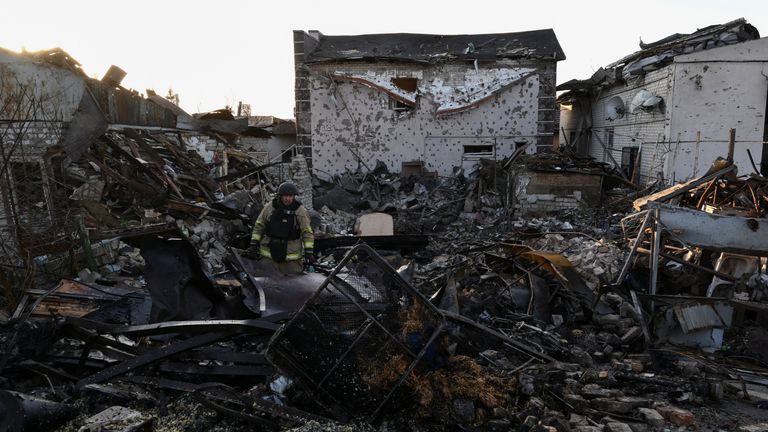
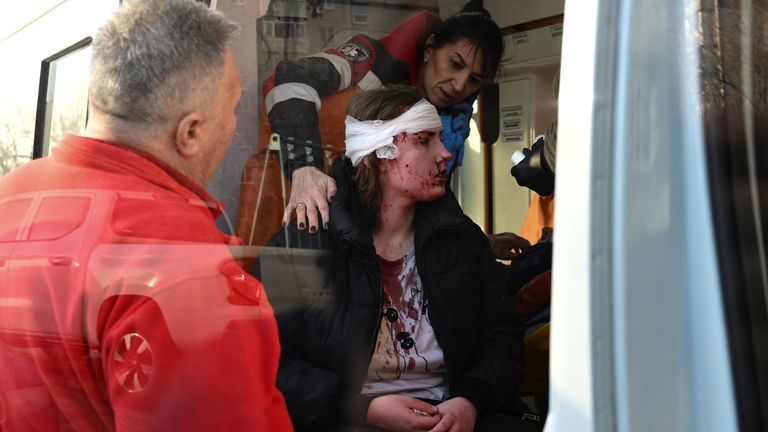
The latest wave of attacks, occurring on Saturday, March 14, 2026, saw Russia target energy facilities and other critical infrastructure with a barrage of drones and missiles. Four fatalities were reported in the Kyiv region, where officials stated approximately 430 drones and 68 missiles were launched. Mykola Kalashnyk, head of the Kyiv regional administration, confirmed that 15 individuals were injured, with three in critical condition. Further south, in Zaporizhzhia, one person was killed and three more wounded when Russian-guided bombs struck a residential area. These attacks highlight a continued pattern of targeting civilian areas, raising concerns about potential war crimes and the protection of non-combatants.
Russian Strikes Target Critical Infrastructure
According to a statement from the Russian defense ministry, the attacks were aimed at energy and industrial facilities supporting Ukraine’s armed forces, as well as military airfields. This strategy aligns with previous Russian tactics focused on degrading Ukraine’s ability to sustain its defense capabilities. The targeting of energy infrastructure, particularly as winter recedes, suggests a broader effort to disrupt Ukraine’s economy and undermine public morale. The scale of the recent attacks, involving hundreds of drones and dozens of missiles, demonstrates Russia’s continued commitment to military pressure despite ongoing international condemnation and sanctions.
Peace Talks Stalled Amidst Middle East Conflict
The timing of these attacks coincides with a pause in US-brokered peace talks between Russia and Ukraine. Washington’s focus has shifted to the escalating tensions in the Middle East, specifically following recent strikes in Iran. While Moscow has condemned the US-Israeli actions in Iran, it has stopped short of offering direct military support to its ally, Tehran. However, analysts suggest Russia stands to benefit from the current instability, potentially diverting international attention and resources away from Ukraine. This strategic calculation underscores the complex interplay of geopolitical interests and the potential for regional conflicts to impact global stability.
President Zelenskyy has directly addressed this concern, stating on social media that Russia will likely attempt to leverage the conflict in the Middle East to intensify its aggression in Ukraine. He emphasized the need for increased air defense capabilities within Europe, specifically systems capable of countering ballistic threats. Zelenskyy’s call for bolstering European defense production reflects a growing sense of urgency and a recognition that Ukraine may face a prolonged period of conflict. He urged European nations to prioritize the development and deployment of advanced missile defense systems to protect against escalating attacks.
The Broader Geopolitical Implications
The situation in Ukraine is increasingly intertwined with broader geopolitical dynamics. Russia’s potential to benefit from the instability in the Middle East, coupled with the pause in peace negotiations, raises concerns about a prolonged conflict and the potential for further escalation. The surge in global energy prices, already impacted by the war in Ukraine, could be exacerbated by the Middle East crisis, creating economic headwinds for nations worldwide. The diversion of Western attention and resources to the Middle East could diminish the support provided to Ukraine, potentially weakening its defensive capabilities. This complex interplay of factors underscores the need for a comprehensive and coordinated international response to address both crises simultaneously.
As of today, March 14, 2026, the United States has not publicly announced a firm deadline for ending the war in Ukraine, despite reports suggesting a June timeframe was discussed. However, the shifting priorities in Washington, driven by the escalating situation in the Middle East, are undoubtedly influencing the diplomatic landscape. The next key development to watch will be any official statements from the US State Department regarding the status of peace negotiations and the ongoing commitment to supporting Ukraine. The international community remains focused on de-escalation and a peaceful resolution, but the path forward remains uncertain.
The ongoing conflict in Ukraine serves as a stark reminder of the fragility of peace and the interconnectedness of global security. The recent escalation in attacks, coupled with the shifting geopolitical landscape, underscores the urgent need for continued international cooperation and a renewed commitment to diplomatic solutions. We encourage readers to share their thoughts and perspectives on this critical issue in the comments below.
Keep reading