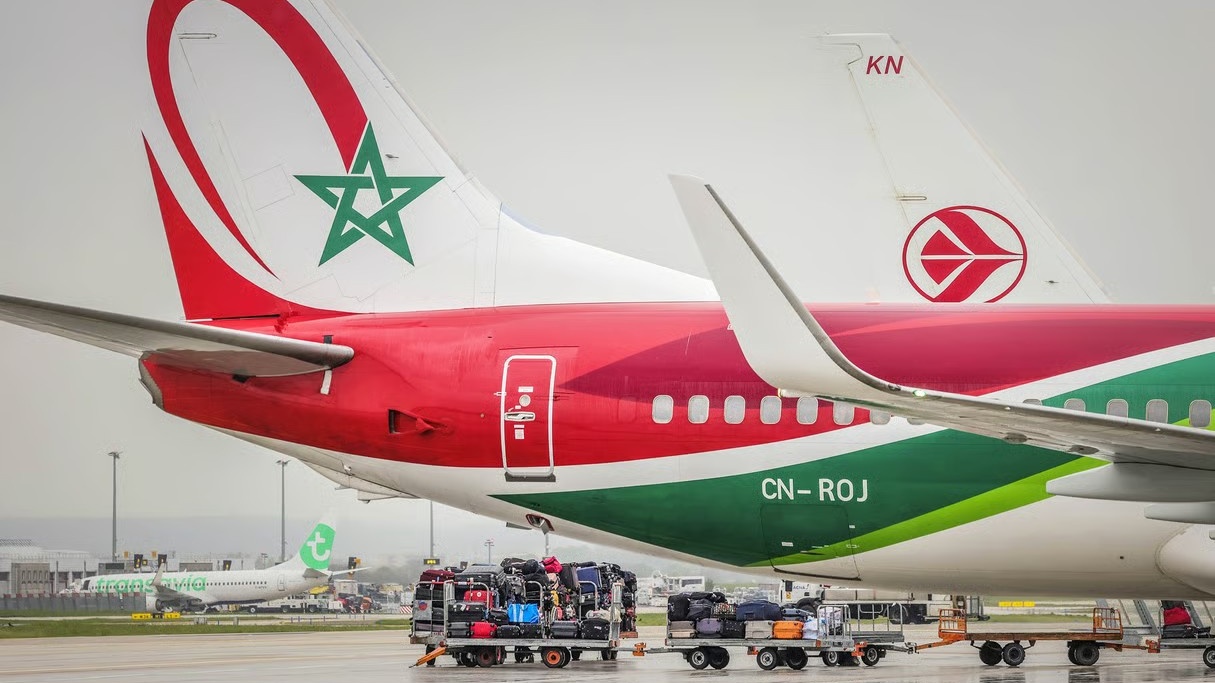
Middle East Tensions Prompt Royal Air Maroc to Extend Flight Suspensions to Dubai and Doha
Ongoing instability in the Middle East has led Royal Air Maroc (RAM) to extend its suspension of flights to Dubai and Doha until the end of March, further disrupting international air travel. The decision underscores the continuing impact of the regional conflict on civilian air traffic, impacting both travelers and the broader aviation industry. This extension comes as airlines continue to navigate a complex and evolving security landscape, prioritizing passenger safety amidst heightened geopolitical tensions.
The initial disruptions began earlier this month, following the escalation of conflict in the Middle East. Although some airports in the Gulf region, including Dubai and Doha, have seen a partial resumption of services, significant challenges remain. The airspace over the region remains affected, forcing airlines to reroute flights and causing substantial delays and cancellations. The situation is particularly acute for airlines reliant on Gulf hubs for connecting flights to Asia and other destinations.
Disrupted Air Travel Across the Gulf
According to France24, as of March 11, 2026, air traffic in Gulf airports remained heavily disrupted, twelve days into the Middle East conflict. Despite the partial resumption of activity in Dubai and Doha, the skies above the region remain unusually empty when viewed through real-time flight tracking applications. France24 reports that Emirates has restored over 60% of its network, operating approximately 150 daily flights to nearly 100 destinations, including cities in France like Paris, Nice, and Lyon. However, this recovery remains precarious.
The impact extends beyond scheduled passenger flights. At least six cruise ships have been stranded in ports across Doha, Dubai, and Abu Dhabi for several days due to the escalating tensions, as reported by the Journal de Montreal. This situation highlights the broader disruption to travel and tourism in the region.
Dubai and Doha: Critical Hubs Impacted
The disruption to flights in and out of Dubai and Doha is particularly significant due to their roles as major international aviation hubs. Dubai, in particular, serves as a crucial connection point for travelers transiting between Asia and other parts of the world. The Emirates airline, based in Dubai, is a major player in global air travel, and its reduced capacity has ripple effects across numerous routes. The disruption impacts not only passengers traveling to or from the UAE and Qatar but likewise those connecting through these airports.
The ongoing conflict, described by Franceinfo as an “Israelo-American attack on Iran,” has forced airlines to reassess their risk assessments and implement precautionary measures. These measures include rerouting flights to avoid potentially dangerous airspace, increasing security protocols, and, in the case of Royal Air Maroc, temporarily suspending services to affected destinations. The situation is constantly evolving, and airlines are closely monitoring developments to adjust their operations accordingly.
Financial Implications and Passenger Concerns
The extended flight suspensions and disruptions are expected to have significant financial implications for airlines and the tourism industry. Rerouting flights adds to fuel costs and operational expenses, while cancellations and delays lead to lost revenue. Passengers are also facing considerable inconvenience and financial burdens, including the cost of rebooking flights and finding alternative accommodation. Some travelers, as highlighted by Franceinfo, are even facing unexpected costs for repatriation flights arranged by their governments.
The uncertainty surrounding the duration of the conflict and the potential for further escalation is adding to the challenges. Airlines are hesitant to fully restore their schedules until there is a clear indication that the security situation has stabilized. This cautious approach is understandable, given the paramount importance of passenger safety. The situation also raises questions about the long-term impact on air travel patterns and the potential for a shift in demand towards alternative routes and destinations.
Looking Ahead: Monitoring the Situation
Royal Air Maroc has not yet announced a definitive date for the resumption of flights to Dubai and Doha. The airline stated that it will continue to monitor the security situation closely and produce adjustments to its schedule as necessary. Passengers affected by the suspensions are advised to check the airline’s website or contact their travel agent for the latest updates. The situation remains fluid, and further disruptions are possible.
The broader aviation industry is also closely monitoring developments in the Middle East. The International Air Transport Association (IATA) has issued guidance to airlines on risk mitigation measures, and governments are working to ensure the safety and security of air travel. The hope is that a peaceful resolution to the conflict will allow for a swift return to normal operations, but for now, passengers and airlines must brace for continued disruptions.
The next update from Royal Air Maroc regarding flight resumption is expected by the end of March, coinciding with the current suspension period. Travelers are encouraged to stay informed through official airline channels and reputable news sources. The situation underscores the vulnerability of global air travel to geopolitical events and the importance of proactive risk management.
What are your thoughts on the impact of the Middle East conflict on air travel? Share your experiences and insights in the comments below. Don’t forget to share this article with your network to keep others informed.