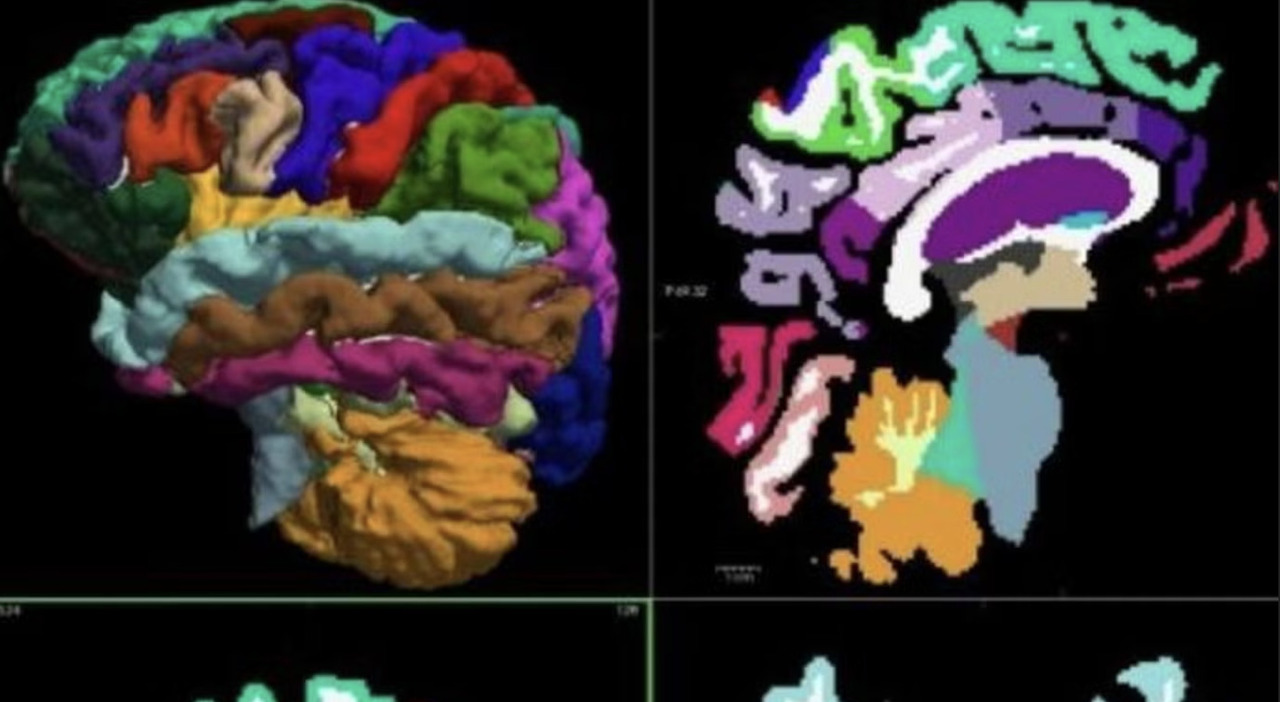
The fight against Alzheimer’s disease may have a powerful new ally: artificial intelligence. Researchers are reporting increasingly promising results in using AI to not only detect the early signs of Alzheimer’s, but as well to predict its onset with remarkable accuracy. A recent study, highlighted by reports from Italy, suggests AI models can identify changes in the brain indicative of the disease with up to 93% precision. Il Messaggero reported on these advancements on March 14, 2026, sparking renewed hope for earlier diagnosis, and intervention.
Alzheimer’s disease, a progressive neurodegenerative disorder, affects millions worldwide. Early detection is crucial, as treatments are often more effective when initiated in the early stages of the disease. However, diagnosing Alzheimer’s can be challenging, often relying on cognitive assessments, brain scans, and cerebrospinal fluid analysis – procedures that can be expensive, time-consuming, and not always readily available. Here’s where the potential of AI comes into play, offering a less invasive and potentially more accessible diagnostic tool.
AI’s Growing Role in Alzheimer’s Detection
The application of artificial intelligence in healthcare is rapidly expanding, and Alzheimer’s research is at the forefront of this innovation. Several approaches are being explored, each leveraging different types of data and AI algorithms. One promising avenue involves analyzing brain scans – specifically magnetic resonance imaging (MRI) – to identify subtle anatomical changes that precede the clinical symptoms of Alzheimer’s. The study referenced by Il Messaggero utilized over 800 brain scans to train an AI model to recognize these early indicators.
But brain scans aren’t the only data source being used. Researchers at Boston University have developed an AI program capable of predicting Alzheimer’s up to six years before symptom onset by analyzing a person’s speech patterns. ANSA reported that this model achieves a 78.5% accuracy rate in predicting which individuals with mild cognitive impairment will progress to dementia. The AI analyzes not just the content of speech, but also how it is structured – things like sentence complexity and word choice. This approach could make screening for cognitive decline more accessible, reducing the need for costly and complex testing.
Another significant breakthrough, reported by Pazienti.it in May 2025, involves identifying the underlying causes of Alzheimer’s and even potential cures using AI. A team at the University of California San Diego used AI to investigate the role of the enzyme phosphoglycerate dehydrogenase (PHGDH) in the progression of the disease. Their research, published in the journal Cell, revealed that high levels of PHGDH can trigger inflammation and disrupt the removal of waste products from the brain, contributing to the development of Alzheimer’s. This discovery has led to the identification of a promising experimental drug candidate.
Understanding the PHGDH Connection
The research from the University of California San Diego sheds light on a previously underappreciated mechanism in Alzheimer’s development. The study found that elevated PHGDH levels not only correlate with faster disease progression but also actively alter the function of other genes within astrocytes – brain cells that provide support and protection to neurons. These alterations promote inflammation and hinder the brain’s natural cleaning processes, creating a toxic environment for neurons. Pazienti.it details how this understanding could pave the way for targeted therapies aimed at reducing PHGDH activity and restoring healthy brain function.
The Benefits of Early Detection
The ability to predict Alzheimer’s disease years before symptoms manifest offers a multitude of potential benefits. Firstly, it allows individuals to make informed decisions about their future, including financial planning, legal arrangements, and lifestyle adjustments. Secondly, early detection opens a window of opportunity for interventions that may slow the progression of the disease or alleviate its symptoms. While there is currently no cure for Alzheimer’s, several treatments are available to manage cognitive decline and improve quality of life. These treatments are generally more effective when started early in the disease process.
early diagnosis can facilitate participation in clinical trials, providing individuals with access to cutting-edge therapies that are not yet widely available. The National Institute on Aging (NIA) actively supports numerous clinical trials focused on Alzheimer’s prevention and treatment. The NIA website provides comprehensive information about ongoing trials and eligibility criteria.
Challenges and Future Directions
Despite the remarkable progress in AI-driven Alzheimer’s detection, several challenges remain. One key issue is the need for diverse and representative datasets to train AI models. Current datasets often overrepresent certain populations, potentially leading to biased results and inaccurate predictions for underrepresented groups. Addressing this bias is crucial to ensure that AI-based diagnostic tools are equitable and accessible to all.
Another challenge is the complexity of Alzheimer’s disease itself. The disease is likely caused by a combination of genetic, environmental, and lifestyle factors, making it hard to identify a single, definitive biomarker. Future research will need to focus on integrating multiple data sources – including genetics, imaging, biomarkers, and lifestyle information – to create more comprehensive and accurate AI models.
The development of explainable AI (XAI) is also essential. Currently, many AI models operate as “black boxes,” making it difficult to understand how they arrive at their predictions. XAI aims to make AI decision-making more transparent and interpretable, allowing clinicians to better understand the rationale behind an AI diagnosis and build trust in the technology.
What Does This Mean for Patients?
The advancements in AI-powered Alzheimer’s detection are offering a glimmer of hope for individuals and families affected by this devastating disease. While these technologies are not yet widely available in clinical practice, they are rapidly evolving and are expected to become more commonplace in the coming years. It’s important to remember that AI is not intended to replace human clinicians, but rather to augment their expertise and improve the accuracy and efficiency of diagnosis.
If you are concerned about your cognitive health or have a family history of Alzheimer’s disease, it is important to discuss your concerns with your doctor. They can assess your risk factors, perform a cognitive evaluation, and recommend appropriate follow-up testing if necessary. The Alzheimer’s Association website provides valuable resources and support for individuals and families affected by Alzheimer’s disease.
The next major checkpoint in this field will be the results of several large-scale clinical trials evaluating the effectiveness of new AI-based diagnostic tools, expected to be released in late 2027. Continued research and development are essential to unlock the full potential of AI in the fight against Alzheimer’s disease.
What are your thoughts on the role of AI in healthcare? Share your comments below, and let’s continue the conversation.
Related reading