Trump Administration Navigates Complex Diplomatic Landscape Amidst Iran Conflict
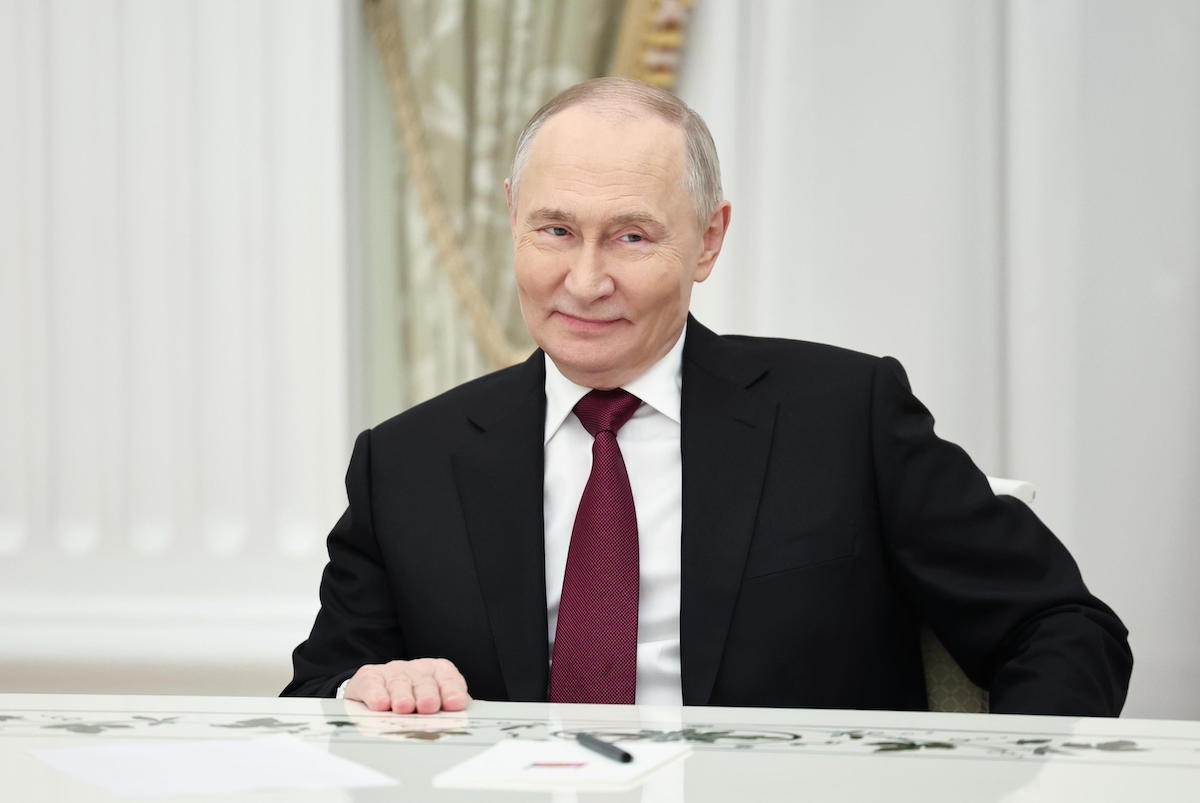
The escalating tensions in the Middle East are prompting a flurry of diplomatic activity, with recent reports suggesting a direct proposal from Russian President Vladimir Putin to U.S. President Donald Trump regarding Iran’s enriched uranium stockpile. The offer, reportedly made during a recent phone call, aimed to address concerns over Iran’s nuclear capabilities as the conflict with the United States and Israel continues to unfold. Simultaneously, intelligence assessments point to a potential large-scale Israeli military operation in Lebanon, further complicating the regional security situation. The situation demands careful consideration of all available options and the Trump administration is weighing its response amidst a volatile geopolitical climate. This complex interplay of events underscores the delicate balance required to de-escalate tensions and prevent further regional instability.
According to sources, Putin proposed that Russia take possession of Iran’s enriched uranium, a move intended to remove the material from Iranian control and mitigate the risk of nuclear proliferation. This proposal comes as Washington expresses growing alarm over Iran’s nuclear program, particularly its stockpile of uranium enriched to 60%, which is nearing weapons-grade levels. The U.S. Estimates that Iran possesses approximately 450 kilograms of uranium enriched to 60%, enough material, according to assessments, to create more than ten nuclear bombs. Trump, however, reportedly rejected the offer, believing that transferring the uranium to Russia would not adequately secure the material. The differing perspectives highlight the deep-seated mistrust between the U.S. And Russia, even as both nations navigate the challenges posed by the conflict in the Middle East.
Russia’s Role and Historical Precedent
Russia has a history of involvement with Iran’s nuclear program, having previously stored Iran’s low-enriched uranium as part of the 2015 Joint Comprehensive Plan of Action (JCPOA), commonly known as the Iran nuclear deal. This experience positions Russia as one of the few countries with the technical capacity to handle and secure such material. The JCPOA, which the U.S. Unilaterally withdrew from in 2018 under the Trump administration, aimed to curb Iran’s nuclear ambitions in exchange for sanctions relief. The collapse of the JCPOA led to Iran resuming its enrichment activities, raising concerns about its intentions and accelerating the current crisis. Putin’s proposal can be seen as an attempt to leverage Russia’s existing relationship with Iran and its technical expertise to find a solution to the nuclear issue, though the U.S. Remains skeptical of Moscow’s motives.
The timing of Putin’s offer is also significant, coming amidst reports that Russia may be providing intelligence to Iran that could aid in attacks against U.S. And Israeli targets. U.S. Officials have indicated that Russia has been sharing information, including the coordinates of U.S. Military assets, with Iran. While Russia has publicly denied these allegations, with assurances given to the Trump administration through U.S. Special Envoy for the Middle East Steve Witkoff, Trump himself has acknowledged the possibility that Putin is “helping them a bit.” This acknowledgment raises questions about Russia’s neutrality in the conflict and its broader strategic goals in the region. The President added that Russia may be acting in response to U.S. Support for Ukraine, suggesting a tit-for-tat dynamic in the geopolitical landscape.
Israeli Preparations for Potential Lebanon Offensive
Adding another layer of complexity to the situation, reports indicate that Israel is actively planning a large-scale ground invasion of southern Lebanon. The stated objective of the operation is to take control of the area north of the Litani River and dismantle the military infrastructure of Hezbollah, the Iran-backed militant group that operates in Lebanon. Israeli officials view Hezbollah as a significant threat to their national security and have repeatedly clashed with the group in the past. The planned invasion, if carried out, would be the largest Israeli ground operation in Lebanon since the 2006 Lebanon War. The potential for a full-scale conflict between Israel and Hezbollah raises concerns about a wider regional escalation, potentially drawing in other actors such as Syria and Iran.
The scale of the planned Israeli operation suggests a determination to significantly degrade Hezbollah’s capabilities. Intelligence assessments indicate that Israel aims to establish a buffer zone in southern Lebanon to prevent Hezbollah from launching future attacks. However, such an operation would likely face fierce resistance from Hezbollah fighters and could result in significant civilian casualties. The international community is urging restraint and calling for a diplomatic solution to the conflict, but the prospects for a peaceful resolution remain uncertain. The potential for miscalculation and unintended consequences is high, making the situation extremely volatile.
Concerns Over Regional Stability and Oil Prices
The ongoing conflict and the potential for further escalation are also having a significant impact on global oil markets. The Middle East is a major oil-producing region, and disruptions to supply could lead to soaring prices. The Trump administration has already taken steps to temporarily lift sanctions on Russian oil in an attempt to contain rising prices, a move that reflects the urgency of the situation. However, this decision has drawn criticism from some quarters, who argue that it undermines U.S. Efforts to isolate Russia. The interplay between geopolitical tensions and economic concerns highlights the complex challenges facing policymakers as they seek to navigate the crisis.
The situation also raises broader questions about the future of U.S. Policy in the Middle East. The Trump administration has pursued a policy of “maximum pressure” on Iran, imposing crippling sanctions in an attempt to force the country to change its behavior. However, this approach has failed to achieve its desired results and may have inadvertently contributed to the current escalation. As the conflict continues, the administration will demand to reassess its strategy and consider alternative approaches, including renewed diplomatic engagement. The stakes are high, and the consequences of miscalculation could be catastrophic.
Key Takeaways
- Russia proposed taking control of Iran’s enriched uranium stockpile, an offer rejected by the Trump administration.
- The U.S. Estimates Iran possesses enough enriched uranium for over ten nuclear weapons.
- Israel is reportedly planning a large-scale ground invasion of southern Lebanon targeting Hezbollah.
- The conflict is contributing to volatility in global oil markets, prompting the U.S. To temporarily lift sanctions on Russian oil.
The coming weeks will be critical in determining the trajectory of the conflict. The Trump administration faces a difficult balancing act, needing to deter Iran from further escalation while also preventing a wider regional war. The international community must work together to de-escalate tensions and find a diplomatic solution. The situation remains fluid and unpredictable, and the potential for further escalation remains high. Continued monitoring of developments and a commitment to diplomatic engagement are essential to preventing a catastrophic outcome. The next significant development to watch for is the outcome of ongoing diplomatic efforts and any potential military action taken by Israel in Lebanon.
What are your thoughts on the evolving situation in the Middle East? Share your comments below and join the conversation. Don’t forget to share this article with your network to keep others informed.
Related reading