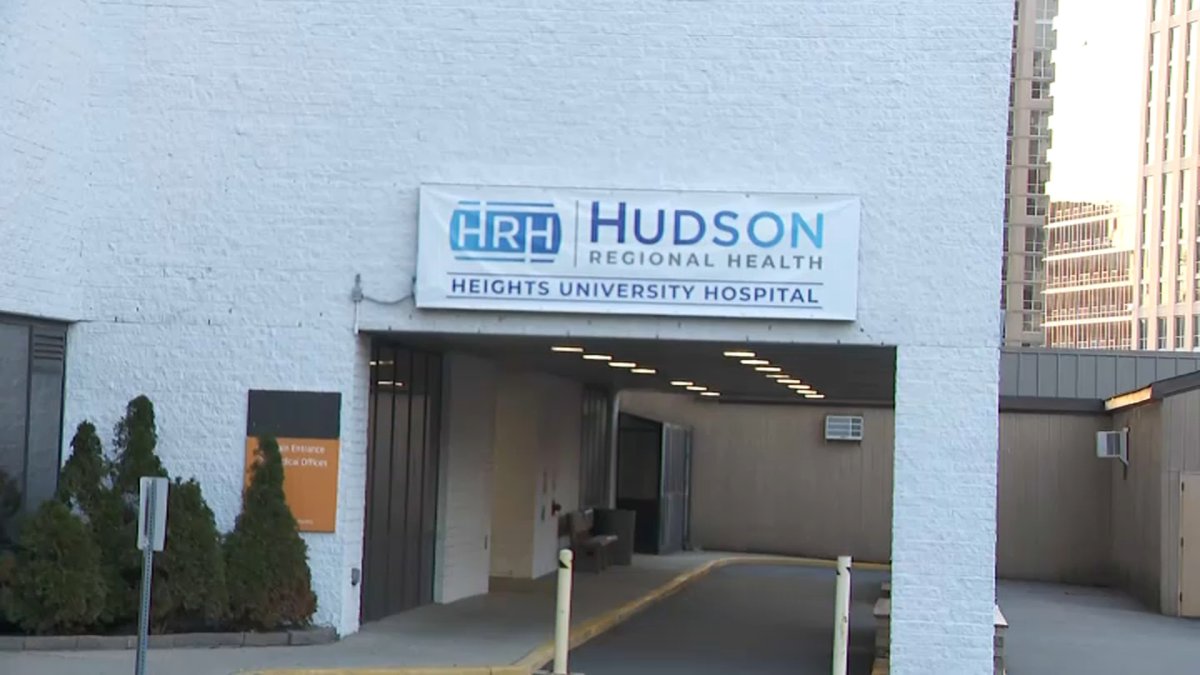
The closure of Heights University Hospital in Jersey City, New Jersey, on Saturday evening marked the end of a 154-year legacy of healthcare provision for the community. The shutdown occurred despite a last-minute legal challenge led by Jersey City Mayor James Solomon, who vowed to continue fighting for the hospital’s reopening. The situation highlights the growing financial pressures facing hospitals, particularly those serving a large population of underinsured patients, and raises critical questions about access to healthcare in Hudson County.
The immediate cause of the closure stems from a dispute between the city and Hudson Regional Health (HRH), the hospital’s operator. Mayor Solomon accused HRH of violating state law by failing to obtain a certificate of need and provide adequate notice before shuttering the facility, which serves approximately 300,000 residents. “They failed to obtain a certificate of need. They failed to provide the required notice. And tonight, they (closed) a hospital serving 300,000 people as if those obligations never existed,” Solomon stated following a New Jersey Superior Court judge’s denial of the city’s request for an emergency injunction. The legal battle underscores the complex regulatory landscape governing hospital closures and the importance of ensuring transparency and community involvement in such decisions.
Financial Struggles and Conflicting Accounts
HRH, however, attributes the hospital’s closure to a combination of factors, including insufficient funding from the state and city, a high proportion of underinsured patients, an aging infrastructure, and broader economic challenges. The company reported losses exceeding $74 million in the past year, with projections of over $30 million in losses for the current year. These losses, HRH argues, jeopardized the financial stability of its entire network, encompassing hospitals in Bayonne, Hoboken, and Secaucus. “Unfortunately, in Jersey City as a result of a majority underinsured payer mix, cuts to state and county aid, an aging and neglected facility, and other factors led to unsustainable losses at Heights University Hospital,” HRH stated in a press release. The company also noted that it had invested “several hundred million dollars to revitalize its hospitals” since acquiring them from the bankrupt CarePoint Health System in November 2024.
The closure of Heights University Hospital leaves Hudson County with only five remaining hospitals, raising concerns about potential strain on the remaining facilities and reduced access to care for residents. The situation is particularly acute for vulnerable populations who rely on the hospital for essential services. The hospital’s financial woes are not unique; many hospitals across the United States are grappling with similar challenges, including rising costs, declining reimbursement rates, and increasing numbers of uninsured patients. The closure also reignites the debate over the role of government funding in supporting healthcare infrastructure and ensuring equitable access to care.
A History of Transition and Bankruptcy
Heights University Hospital, formerly known as Christ Hospital, has a long and storied history in Jersey City, dating back to its founding in 1872. The hospital underwent a change in ownership in May 2025 when Hudson Regional Health took over from CarePoint Health, which had previously filed for bankruptcy. NJ1015 reported that despite a fiscal monitor’s oversight, the emergency department was the only part of the hospital still open as of February 2026, with the rest of the facility having closed in November 2025. The transition from CarePoint to HRH was intended to stabilize the hospital’s finances and ensure its continued operation, but ultimately proved unsuccessful.
A group of people opposed to the closing of Heights University Hospital camped next to the facility during its final hours in operation. (Image: NBC New York)
Community Response and Political Fallout
The closure of Heights University Hospital has sparked outrage and protests from community members and local officials. Demonstrators camped outside the hospital in the hours leading up to its closure, expressing their frustration and demanding action to save the facility. Michele Soller, a Hudson County resident, poignantly described the hospital as a place of “family, health care, and love,” highlighting the emotional toll of its loss. The situation has also become a political flashpoint, with Mayor Solomon vowing to explore all available options, including the possibility of eminent domain, to restore healthcare services to the area. In a post on X (formerly Twitter), Solomon stated, “We fought, and we will keep fighting.”
New Jersey Governor Mikie Sherrill’s office has indicated that the state is working to ensure patient safety and access to care in the wake of the closure. A spokesperson for the governor stated that staff from the state Department of Health are actively engaged in the situation and that ambulances were deployed to redirect patients as needed. However, the long-term implications of the closure for healthcare access in Jersey City remain uncertain.
The Broader Context of Hospital Closures
The closure of Heights University Hospital is part of a broader trend of hospital closures across the United States, particularly in rural and underserved areas. These closures are often driven by financial pressures, declining patient volumes, and changing healthcare delivery models. The consequences of hospital closures can be severe, leading to reduced access to care, longer travel times for emergency services, and poorer health outcomes for affected communities. Addressing this crisis requires a multifaceted approach, including increased government funding, innovative payment models, and strategies to improve the financial sustainability of hospitals.
Medicaid Cuts and Financial Strain
Several sources, including NJ1015, point to cuts in Medicaid funding as a significant contributing factor to the hospital’s financial difficulties. Reduced reimbursement rates for Medicaid patients can create a significant financial burden for hospitals, particularly those serving a large proportion of low-income individuals. The impact of Medicaid cuts on hospital finances is a recurring theme in debates over healthcare policy and funding priorities.
The closure of Heights University Hospital serves as a stark reminder of the fragility of the healthcare system and the challenges of ensuring access to affordable, quality care for all. The situation in Jersey City underscores the need for proactive policies and investments to support hospitals and protect vulnerable communities.
The next step in this unfolding situation is a planned review by the New Jersey Department of Health to assess the impact of the closure on regional healthcare access. The department is expected to release its findings in the coming weeks. Readers are encouraged to share their thoughts and experiences in the comments below and to follow World Today Journal for continued coverage of this developing story.
Worth a look