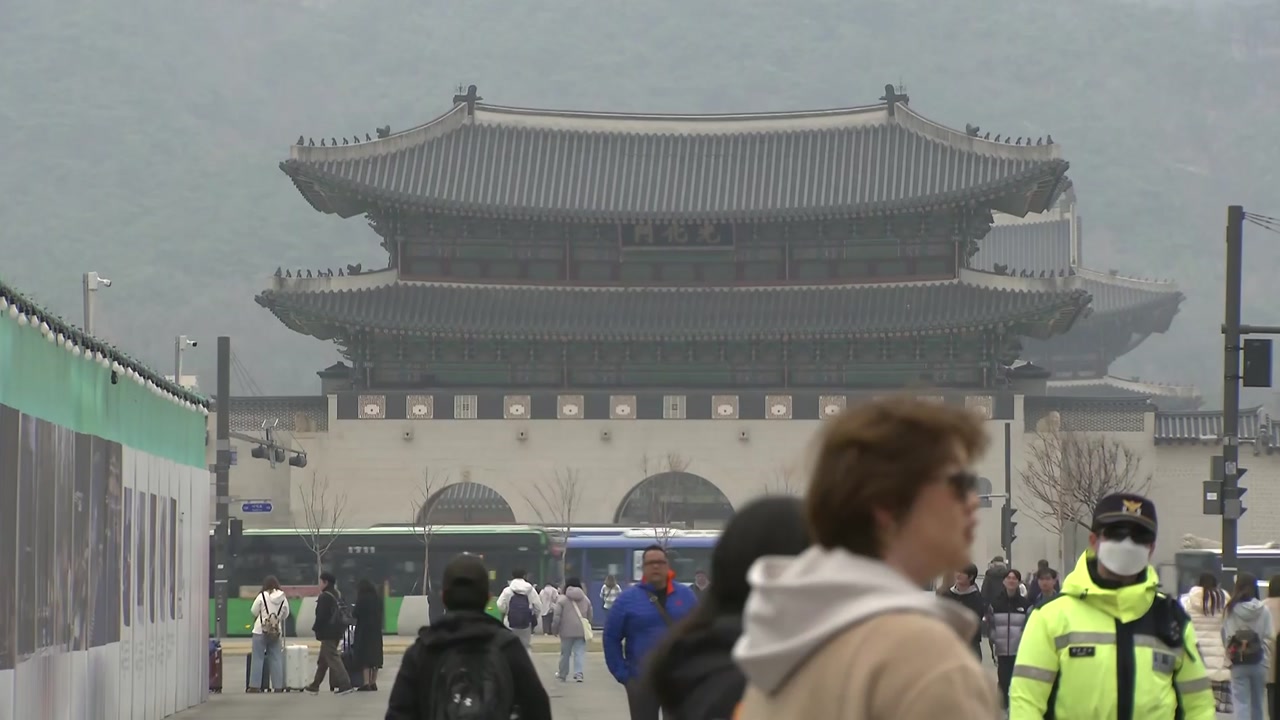
South Korea Braces for Showers and Air Quality Concerns as BTS Concerts Approach
South Korea is experiencing generally cloudy conditions with scattered showers expected in western regions today, Sunday, March 15, 2026. Alongside the precipitation, air quality is deteriorating as dust particles begin to accumulate, raising concerns for public health. This comes as preparations continue for a series of highly anticipated concerts by the globally renowned group, BTS, prompting questions about the weather conditions expected during the performances. The Korean Meteorological Administration (KMA) is closely monitoring the situation, providing real-time updates and forecasts to the public. The KMA’s website offers detailed weather information, including radar imagery and nationwide advisories.
The approaching weather system is bringing a mix of conditions to the peninsula. Although the showers are expected to be localized, the influx of dust from neighboring regions is impacting air quality across much of the country. This combination presents challenges for outdoor activities and necessitates precautions for vulnerable populations. The Ministry of Environment has issued advisories urging citizens, particularly those with respiratory conditions, to limit strenuous outdoor exercise and wear masks when possible. The situation is particularly relevant given the large crowds expected to attend the BTS concerts, where exposure to both the elements and potentially poor air quality could be significant.
Weather Forecast for BTS Concerts
Specific details regarding the weather forecast for the dates of the BTS concerts are crucial for both attendees and organizers. While a precise forecast for dates beyond today is not available without further updates from the KMA, current trends suggest continued variability. The KMA forecasts that high-pressure systems originating in Manchuria, China, will influence weather patterns across the country. This influence, combined with domestically generated and lingering pollutants, is expected to contribute to reduced air quality. According to a forecast from KWeather, the capital region, Chungcheong Province, Gangwon Province (western part), and North Jeolla Province are likely to experience “bad” air quality in the morning, potentially improving to “momentarily bad” conditions in the afternoon. The Gyeongsang region is expected to see “bad” air quality in the morning.
The impact of these conditions on concert logistics is considerable. Organizers are likely to implement measures to protect attendees, such as providing hydration stations, distributing masks, and establishing medical facilities. The potential for rain as well necessitates contingency plans for stage setup and crowd management. The exact dates of the BTS concerts are critical to assessing the specific weather risks, and fans are advised to stay updated with the latest forecasts from reliable sources.
Air Quality Concerns and Health Advisories
The deteriorating air quality is a significant concern, particularly for individuals with pre-existing respiratory conditions such as asthma and chronic obstructive pulmonary disease (COPD). Exposure to fine particulate matter (PM2.5) and other pollutants can exacerbate these conditions, leading to increased hospitalizations and emergency room visits. The Air Korea website provides real-time air quality data and forecasts, allowing citizens to make informed decisions about their outdoor activities. Air Korea’s website offers detailed information on air quality indices, pollutant levels, and health advisories.
The current air quality index (AQI) classifications, as defined by Air Korea, are as follows:
- Great (0-50): Air quality is satisfactory and poses little or no health risk.
- Moderate (51-100): Air quality is acceptable, but sensitive individuals may experience minor irritation.
- Unhealthy (101-250): Everyone may begin to experience health effects. members of sensitive groups may experience more serious effects.
- Very Unhealthy (251+): Health alerts are issued, and everyone may experience more serious health effects.
The Ministry of Health and Welfare recommends that individuals experiencing respiratory symptoms seek medical attention promptly. They also advise limiting exposure to outdoor air during peak pollution periods and using air purifiers indoors. The government is actively working to mitigate air pollution through various measures, including stricter emission standards for vehicles and industrial facilities, as well as international cooperation to address transboundary pollution sources.
Real-Time Air Quality Data and Monitoring
Staying informed about real-time air quality conditions is essential for protecting public health. Several resources provide up-to-date information on pollutant levels across South Korea. Air Korea’s website and mobile app offer detailed maps and data on PM2.5, PM10, ozone, nitrogen dioxide, carbon monoxide, and sulfur dioxide concentrations. The KMA also provides air quality information as part of its comprehensive weather forecasts. Various private weather services and environmental monitoring organizations offer air quality data and analysis.
The Korean government has invested significantly in expanding its air quality monitoring network, deploying hundreds of monitoring stations across the country. These stations continuously measure pollutant levels and transmit data to central databases, providing a comprehensive picture of air quality conditions. The data is used to issue air quality alerts, inform public health advisories, and evaluate the effectiveness of pollution control measures.
Looking Ahead
The combination of showers and deteriorating air quality presents a complex challenge for South Korea. As the BTS concerts draw near, continued monitoring of weather patterns and air quality conditions will be crucial. Organizers, attendees, and public health officials must work together to mitigate potential risks and ensure a safe and enjoyable experience for all. The KMA and Air Korea will continue to provide regular updates and forecasts, enabling citizens to make informed decisions about their activities. The next significant update from the KMA regarding the long-range forecast is expected on March 18, 2026, providing a more detailed outlook for the coming weeks.
We encourage readers to share their thoughts and experiences regarding the weather and air quality in the comments below. Your feedback is valuable as we continue to cover this important issue. Please also share this article with your friends and family to help raise awareness about the potential health risks associated with air pollution.
Keep reading